
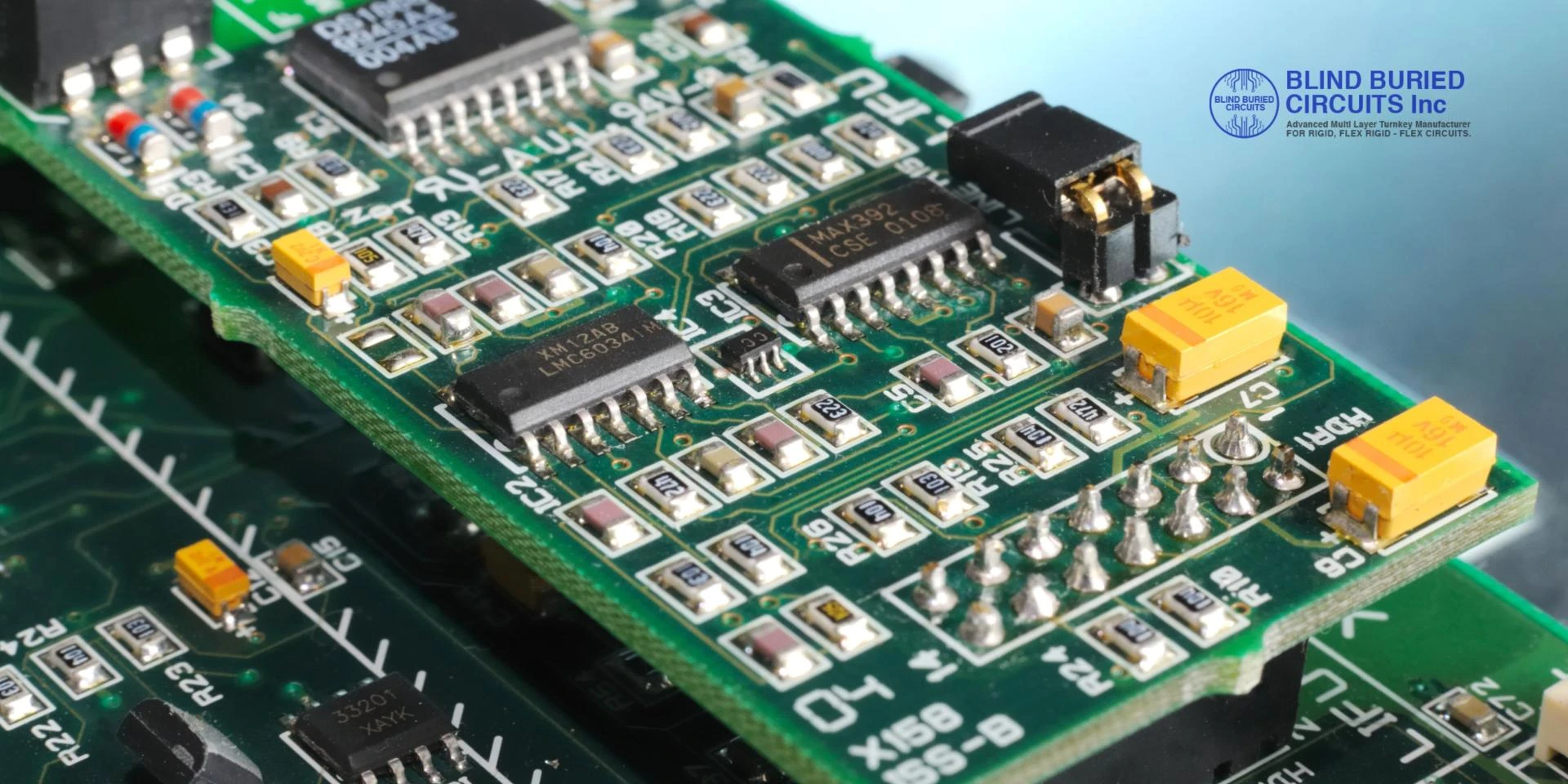
Telecommunication has become the backbone of modern life, driving everything from mobile communication to internet services, satellite networks, and enterprise-level data exchange. Behind the seamless transfer of information lies a sophisticated hardware foundation, and one of its most vital components is pcb manufacturing assembly. Printed Circuit Boards (PCBs) provide the structural and electrical foundation for nearly every piece of telecommunication equipment.
This discussion explores why PCB assembly is indispensable in telecommunication infrastructure, how it ensures performance and reliability, the role of advanced processes such as pcb assembly in usa, and what the future holds for connectivity.
The Foundation of Telecommunication Hardware
Telecommunication systems rely on complex electronic devices such as:
- Routers and switches
- Base stations and antennas
- Satellite communication systems
- Optical fibre transmission equipment
- Mobile handsets and IoT devices
At the core of each of these lies a PCB. Without them, circuits would be unreliable, fragile, and incapable of handling the demands of today’s networks. The assembly process determines whether the board can withstand high-frequency signals, operate efficiently under load, and deliver uninterrupted connectivity.
Why PCB Manufacturing Assembly Matters
The importance of PCB assembly can be viewed through several critical aspects:
1. Signal Integrity and High-Frequency Performance
Telecommunication relies heavily on high-frequency signals. If assembly is poor, signal losses, interference, or cross-talk can occur. Quality assembly ensures that traces, vias, and components are placed with precision, maintaining the integrity of signals.
2. Durability Under Harsh Conditions
Telecommunication equipment often operates in outdoor conditions, exposed to heat, moisture, and mechanical stress. Proper PCB assembly ensures boards are robust, resistant to environmental challenges, and able to last years without failure.
3. Scalability for Network Growth
With the rise of 5G and beyond, networks need to scale rapidly. PCB assembly supports this scalability by enabling miniaturisation, multi-layer stacking, and integration of advanced materials.
4. Cost-Efficiency in the Long Run
Although precision assembly might appear more expensive, it reduces downtime, maintenance costs, and equipment failure, making it highly cost-effective for large-scale telecom operators.
Role of PCB Assembly in Telecommunication Devices
Every stage of telecommunication depends on assembled PCBs:
- Base stations: Handle high volumes of mobile data traffic, requiring multi-layer PCBs with high-frequency capabilities.
- Switches and routers: Depend on PCBs with precise assembly to manage packet routing at high speeds.
- Fiber optic systems: Require boards that manage signal conversion with minimal interference.
- Consumer devices: Smartphones and modems rely on compact PCBs, where component density is maximised without sacrificing performance.
Thus, PCB assembly is not just a technical process; it is an enabler of communication itself.
Advanced Techniques Driving PCB Assembly
The evolution of telecommunications has driven innovations in assembly techniques, such as:
- Surface-Mount Technology (SMT): Allows high-density component placement on both sides of a board.
- Multi-layer PCB Assembly: Supports complex circuit designs for telecom switches and 5G base stations.
- Rigid-Flex PCBs: Combine flexibility and strength, ideal for space-limited communication devices.
- Automated Optical Inspection (AOI): Ensures quality by detecting assembly defects before deployment.
These innovations ensure reliability, efficiency, and readiness for next-generation networks.
Importance of PCB Assembly in USA
While PCB assembly is a global industry, the role of pcb assembly in usa is particularly noteworthy. With the increasing demand for secure, high-quality telecom infrastructure, domestic assembly supports:
- Supply Chain Security: Reduced reliance on overseas manufacturing ensures stability and control.
- Quality Standards: USA-based facilities adhere to strict regulations, ensuring boards meet telecom-grade reliability.
- Faster Turnaround: Local assembly reduces lead times, crucial for network expansion projects.
- Innovation and R&D: Collaboration between telecom firms and local PCB assemblers accelerates technological breakthroughs.
For the telecommunications sector, this means access to boards that are not only reliable but also designed with future scalability in mind.
Telecommunication Trends Driving PCB Assembly Demand
The demand for PCB assembly continues to grow as the telecom sector evolves. Key trends include:
- 5G and Beyond: Higher frequency boards require greater precision and multi-layer assembly.
- IoT Expansion: Billions of connected devices depend on compact, efficient PCBs.
- Satellite Communications: Low-Earth Orbit satellites require durable PCBs capable of withstanding radiation and extreme conditions.
- Green Telecom Initiatives: Energy-efficient boards and environmentally responsible assembly methods are becoming essential.
Each trend amplifies the critical role of PCB assembly in enabling smooth and scalable communication.
Future of PCB Assembly in Telecommunications
Looking ahead, PCB assembly will continue to evolve alongside telecommunication infrastructure. Some emerging innovations include:
- Nanotechnology in PCBs: Allowing even smaller, more efficient components.
- AI-Driven Assembly: Machine learning for defect detection and process optimisation.
- Eco-Friendly Materials: Boards designed for reduced environmental impact.
- Quantum Communication Hardware: Advanced PCB designs to support quantum data transmission in the future.
The intersection of these technologies ensures that PCB assembly will remain at the core of telecommunication progress.
Final Thoughts
Telecommunication infrastructure would not exist in its current form without PCB assembly. From ensuring signal integrity to supporting global network expansion, pcb manufacturing assembly provides the structural and electrical reliability required for uninterrupted connectivity. As networks evolve with 5G, IoT, and satellite systems, the role of advanced processes such as pcb assembly in usa becomes even more critical.
By combining precision, innovation, and durability, PCB assembly ensures that the telecommunication industry can continue to meet the growing demands of a connected world. In this context, industry leaders like Blind Buried Circuits demonstrate how excellence in PCB design and assembly translates directly into stronger, faster, and more reliable communication networks.