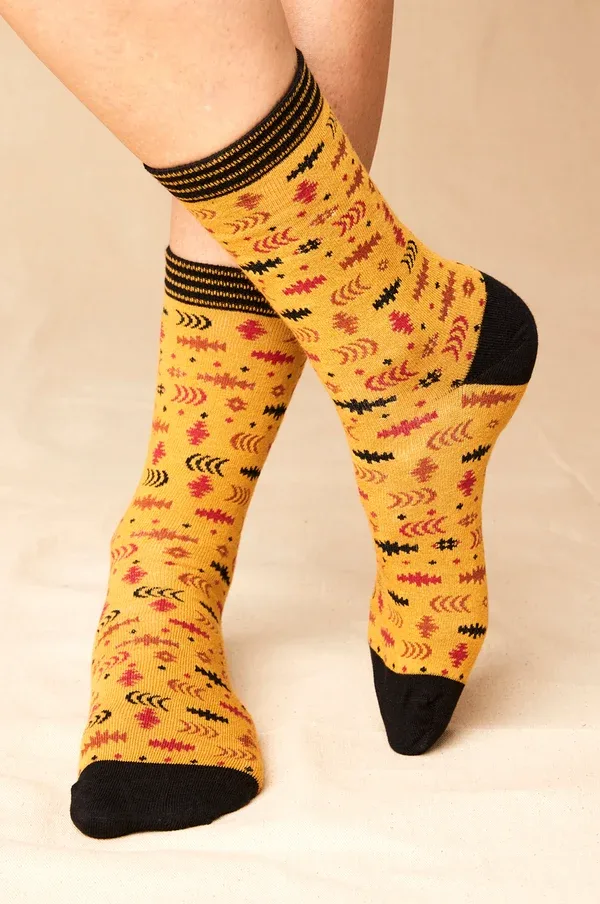
Socks may be one of the smallest items in a wardrobe, but they can make a noticeable difference to everyday comfort. Whether you spend long hours at work, enjoy weekend walks or prefer relaxed clothing at home, choosing the right pair involves more than picking a colour or pattern. Fabric, fit, construction and care all influence how socks feel and how well they perform over time.
As more people pay attention to the materials used in their clothing, natural fibres have become an important consideration when shopping for everyday essentials. Organic cotton socks offer an option for those who value the familiar feel of cotton while also considering how the fibres are produced.
However, understanding what makes a good pair requires looking beyond the label. Not all cotton socks feel the same, and organic certification alone does not determine durability, breathability or overall quality.
This guide explores the benefits of cotton socks, what to look for when buying them, how to choose a suitable pair for different activities and the simple care habits that can help extend their lifespan.
What Makes Organic Cotton Different?
Cotton is widely used in clothing because it is soft, versatile and suitable for a range of everyday garments. The term organic cotton refers to cotton grown according to recognised organic agricultural standards.
Depending on the certification scheme, these standards restrict the use of certain synthetic pesticides and fertilisers and may prohibit genetically modified seeds. Organic farming systems also place emphasis on soil health and approved approaches to managing pests and weeds.
Conventional cotton production and organic cotton production can therefore differ in their agricultural practices. Nevertheless, it is important not to assume that every organic cotton product has the same environmental footprint.
The overall impact of a finished pair of socks also depends on factors such as water use, textile processing, dyeing, transportation, packaging and product longevity.
Certifications can help shoppers understand the claims being made. The Global Organic Textile Standard (GOTS), for example, sets requirements for certified organic fibres and covers relevant environmental and social criteria throughout textile processing.
When comparing products, check the actual certification and fabric composition rather than relying solely on descriptions such as natural, green or eco-friendly.
Why Fabric Choice Matters When Buying Socks
Socks sit directly against the skin for much of the day, so their material can influence comfort during work, exercise and relaxation.
Cotton is known for its ability to absorb moisture, making it a familiar choice for everyday socks. It can feel comfortable in a variety of settings, although its performance depends on the fabric construction, thickness, fit and conditions in which it is worn.
Breathability and Everyday Comfort
Comfortable socks should allow your feet to feel reasonably fresh throughout the day. Cotton fabrics can support air movement, depending on their weave or knit, while an appropriate fit helps prevent unnecessary friction.
However, cotton absorbs moisture and may remain damp during strenuous activity. For running, intensive training or prolonged hiking, purpose-designed moisture-management socks may be more suitable.
For ordinary daily activities, commuting and casual wear, cotton-rich socks can be a practical option. The best choice depends on how much you move, the footwear you wear and whether your feet tend to become warm.
Softness Against the Skin
Softness is another consideration when selecting socks. A smooth fabric and well-finished seams can make a difference, particularly if you wear closed shoes for several hours.
Individual preferences vary, so it is worth checking the product description for details about the knit, thickness and finishing. Some people prefer lightweight socks that fit neatly inside formal shoes, while others favour thicker styles for trainers and relaxed footwear.
Remember that softness is not determined by organic status alone. Fibre quality, yarn construction and manufacturing techniques also influence the final feel.
How to Choose the Right Socks for Different Occasions
Different activities place different demands on your socks. Choosing a suitable style can improve comfort and help your footwear perform as intended.
Everyday Wear and Office Clothing
For daily use, look for socks that stay comfortably in place without feeling restrictive around the ankle or calf. A secure fit helps reduce bunching inside shoes, which can become distracting during a busy day.
Neutral shades such as black, navy, grey and cream work well with many wardrobes. They are especially practical if you regularly wear office trousers, chinos or formal footwear.
Fine-knit designs generally suit smarter shoes, while slightly thicker socks may work better with casual trainers or boots. Check the available sizing carefully, as an unsuitable fit can lead to slipping, pressure marks or excess fabric inside your footwear.
Walking and Outdoor Activities
Walking socks need to work with your footwear and the distance you intend to cover. For short everyday walks, a comfortable cotton-rich pair may be sufficient.
Longer walks can create more friction and moisture, particularly in warm conditions. In these situations, consider socks designed specifically for walking, with appropriate cushioning, reinforced areas and moisture-management properties.
Avoid assuming that thicker socks are always better. A thick pair inside a closely fitted shoe may increase pressure, while a thinner pair might not provide enough cushioning for your needs.
If you are preparing for a long walk, test your socks with your chosen footwear before setting off. This can help identify rubbing or fit problems early.
Relaxed Weekends and Travel
Comfortable everyday essentials are useful when travelling because they need to work with several outfits. A small selection of versatile socks can cover casual sightseeing, journeys and time spent relaxing.
For trips involving warm weather, consider lightweight designs that fit comfortably with your shoes. If your plans include hiking or colder conditions, pack appropriate specialist socks rather than relying on one style for every activity.
When planning a travel wardrobe, it can also help to choose colours that coordinate with the shoes and clothing you already intend to bring.
What to Look for in Organic Cotton Socks
Choosing organic cotton socks involves assessing several features together rather than focusing on one claim.
1. Check the Fabric Composition
Read the label to find out how much cotton the socks contain and whether other fibres are included.
Elastane, for example, is commonly added to help socks stretch and retain their shape. Polyamide or polyester may be used to improve durability or support particular performance characteristics.
A cotton-rich blend is not necessarily a poor choice. The most appropriate composition depends on your priorities, whether that is softness, stretch, fit or suitability for a specific activity.
If certified organic cotton is important to you, check whether the product provides credible evidence for that claim.
2. Examine the Construction
Pay attention to the toe seam, heel and areas that experience repeated friction. These details can influence how the socks feel and how well they withstand regular use.
A well-finished toe seam can help reduce irritation inside close-fitting shoes. Reinforced heels and toes may improve resistance to wear, although durability also depends on yarn quality and how the socks are used.
The elastic at the top should hold the socks in place without causing uncomfortable pressure. If the fit feels too tight when new, do not assume it will necessarily become suitable after washing.
3. Consider Thickness and Length
Ankle socks are useful for casual footwear and warmer weather, while crew-length designs offer more coverage and can work with trainers, boots and everyday trousers.
Lightweight socks may suit formal shoes, whereas medium-weight options can provide additional cushioning for general walking.
The right thickness should complement your footwear. Socks that are too bulky can make shoes feel tight, while those that are too thin may allow excessive movement or friction.
4. Look for Clear Product Information
Reliable product descriptions should explain the composition, available sizes, care instructions and relevant certification.
When researching clothing retailers such as Nomads Clothing, use the individual product information to understand what each item is made from. Do not assume that every product from a retailer uses the same materials or carries identical certifications.
Clear information makes it easier to compare options and choose according to your own needs.
Are Organic Cotton Socks a More Sustainable Choice?
Organic cotton can be part of a more considered approach to clothing, particularly for shoppers who want to understand how their textiles are produced.
Organic farming standards restrict certain agricultural inputs and encourage practices associated with responsible soil management. However, the environmental benefits of a particular product depend on the farming system, processing methods and other stages of its lifecycle.
There are also practical considerations once a product reaches the customer. Socks that are worn frequently, cared for correctly and repaired when possible may provide better long-term value than pairs that quickly lose their shape or develop holes.
This is why durability matters alongside material choice.
Buying only what you need, selecting suitable products and looking after them properly can help reduce unnecessary replacement. These habits are useful regardless of whether your socks are organic, conventional cotton or made from a different fibre.
Rather than treating one material as an automatic solution, consider the complete product and how it fits into your everyday routine.
How to Wash and Care for Cotton Socks
Good care habits can help preserve the fit and appearance of socks, although every fabric blend has slightly different requirements.
Follow the care label. Check the recommended washing temperature and drying instructions before cleaning your socks.
Wash with similar colours. Separating light and dark items can help prevent unwanted colour transfer, particularly with new garments.
Avoid unnecessary heat. Excessive heat can contribute to shrinkage or affect elastic fibres. Use the recommended drying method and avoid high-temperature drying unless the care instructions permit it.
Turn socks inside out when appropriate. This can help remove dirt and sweat from the inside, although it is not essential for every washing routine.
Keep pairs together. Sorting socks after washing makes it easier to identify worn-out pairs and avoid losing individual socks.
Replace damaged socks when necessary. Small holes and thinning fabric can increase friction and reduce comfort. Replacing a badly worn pair is often more practical than continuing to use it.
These simple steps can help you get more use from your everyday essentials while keeping them comfortable and presentable.
Building a More Practical Everyday Wardrobe
Socks may not be the most noticeable part of an outfit, but choosing them thoughtfully can improve everyday comfort. A small collection of suitable styles can cover work, casual outings, travel and relaxation without unnecessary duplication.
Start by identifying the footwear you wear most often. Consider whether you need lightweight socks for formal shoes, everyday pairs for trainers or more supportive designs for outdoor activities.
Next, assess the colours and materials that suit your routine. Neutral options can be easy to coordinate, while a few patterned pairs can introduce personality without requiring a major wardrobe change.
Nomads Clothing is one example of a retailer to consider when researching clothing made with natural fibres. As with any retailer, check the specific product details, material composition and care instructions before making a purchase.
Ultimately, the most useful wardrobe is one built around comfort, practicality and informed decisions rather than trends alone.
Frequently Asked Questions
1. Are organic cotton socks suitable for everyday use?
Yes, they can be suitable for everyday activities such as commuting, office wear and casual outings. The ideal pair depends on its fit, fabric composition, thickness and the footwear with which it will be worn.
2. Do organic cotton socks contain other materials?
They can. Some designs combine cotton with elastane or other fibres to improve stretch, fit or durability. Check the product label to understand the exact composition and whether the organic cotton claim is supported by relevant certification.
3. Are cotton socks suitable for exercise?
Cotton socks can be comfortable for light activity, but they absorb moisture and may remain damp during strenuous exercise. For running, intensive training or long-distance walking, consider specialist socks designed to manage moisture and reduce friction.
4. How can I make my socks last longer?
Wash them according to the care instructions, avoid excessive heat, choose the correct size and replace pairs when the fabric becomes badly worn. Wearing suitable socks with well-fitting footwear can also help reduce friction and premature damage.
Final Thoughts
Choosing everyday socks involves balancing comfort, fit, construction and material quality. Organic cotton offers an option for shoppers who value cotton and want to consider the agricultural standards behind their clothing, but it is only one part of the decision.
By checking product information, choosing styles suited to your activities and following sensible care practices, you can make more informed purchases and get better use from your wardrobe essentials.
A good pair of socks should fit comfortably, work with your footwear and meet the demands of your daily routine. When these practical considerations guide your choices, even the smallest wardrobe essentials can make a worthwhile difference.