In ice rinks across the country, old dasherboards remain as silent sentinels, bearing the echoes of past games, the tremors of contact, and the weight of tradition. These scuffed panels, often overlooked, encapsulate the kinetic energy of countless moments. With each dent and mark, they whisper the stories of skaters, goals, and spectators who witnessed unforgettable matches within the boards’ embrace. Among the many ice rink accessories that shape these spaces, none embody legacy quite like dasherboards.
Far from being expendable or obsolete, these boards hold cultural and emotional value that newer replacements cannot emulate. Their structure, though utilitarian in appearance, plays a pivotal role in both function and feeling. As newer materials and modular systems find their place in rinks, one must ask: what is lost when old boards are removed without reflection?
More Than a Boundary, A Chronicle of Moments
In function, dasherboards define the edge of the rink, keeping play contained and providing safety. Yet their role extends into the psychological architecture of the arena itself. The same boards seen year after year form a visual rhythm for athletes and spectators alike. They are the first and last elements visible when entering or leaving the ice.
Isn’t it remarkable how familiarity can forge such deep connections with static structures?
These boards are repositories of collective memory. From steel frames to polyethylene facing, their physical integrity is designed to endure. Their purpose is not merely to serve the present but to withstand time, creating a consistent backdrop against which history is written. Whether during a championship season or a child’s first practice, they’re present through it all.
The Imprint of Time
Each puck mark on a dasherboard speaks to velocity, each scuff to a collision, each faded layer of paint to an era of sponsorship or school colors. These traces become more than blemishes; they become the fingerprint of the arena.
Why do marks of wear feel more authentic than pristine surfaces?
Because these imperfections authenticate the rink’s usage. They are visible affirmations of effort, competition, and engagement. Removing these boards, replacing them without pause, risks erasing a tangible connection to the past. While newer systems promise efficiency and custom configurations, there is irreplaceable character in the aged panels that have already proven their durability.
Their continued presence serves a narrative function. They provide continuity in a constantly shifting athletic environment. In this way, they aren’t simply background; they are central to the rink’s identity.
Endurance as a Design Philosophy
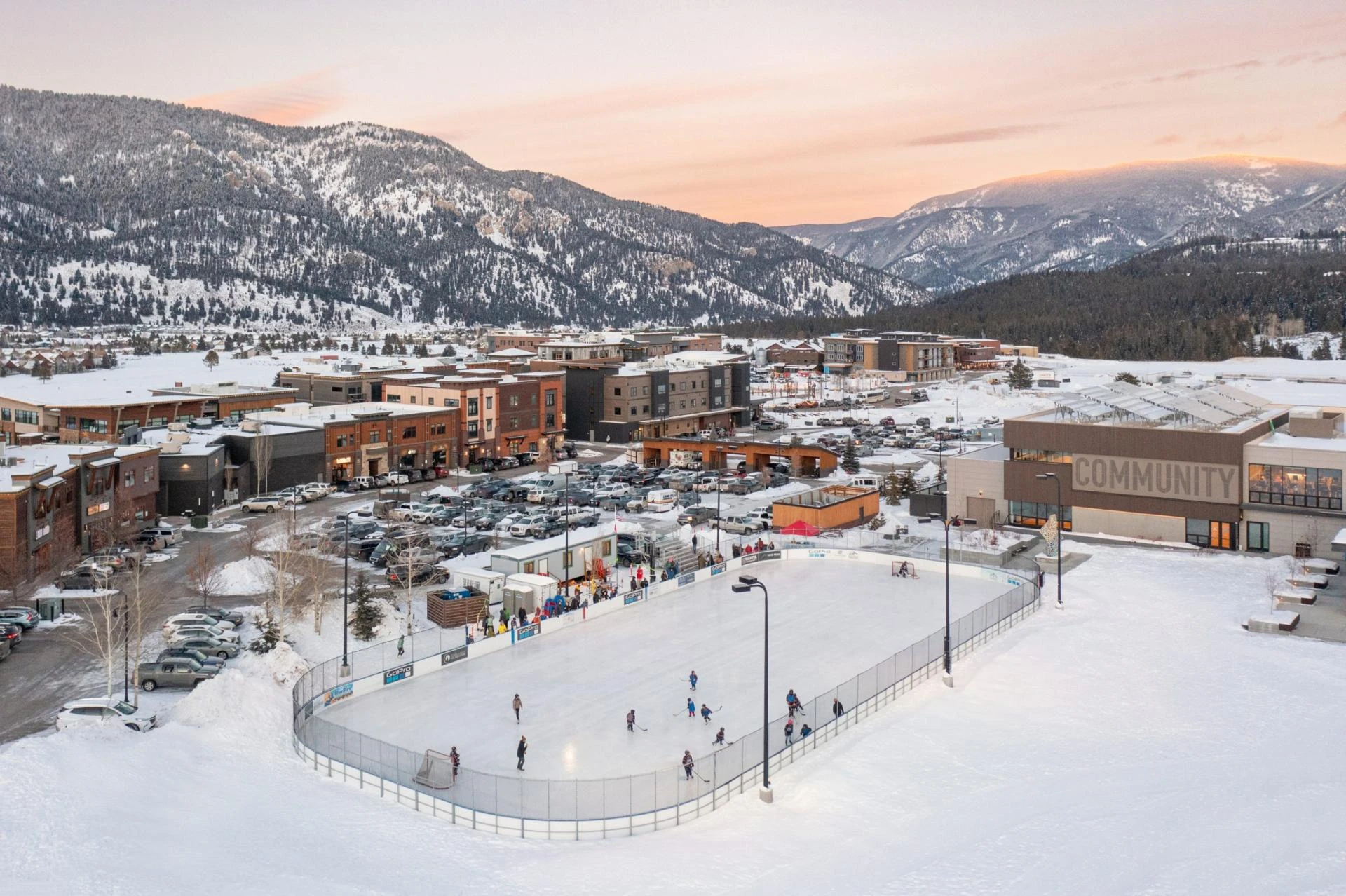
High-quality dasherboard systems are constructed for longevity, accommodating everything from backyard rinks to collegiate and municipal arenas. Products such as steel-framed systems or the robust polyethylene alternatives are made to handle force, pressure, and weather with resilience. Their performance is consistent across various rink settings, whether indoor, outdoor, inline, or ice.
What does this say about their value over time?
It suggests that the longer these boards remain in use, the more irreplaceable they become, not because newer versions lack capability, but because they haven’t yet accumulated a history. Well-built boards mature with grace. They acquire character. Over time, they transition from component to cornerstone.
Keeping these boards intact where feasible becomes both a practical and symbolic act. They prove that excellence in construction and respect for usage can coexist. They also provide an aesthetic grounded in authenticity, one that modern substitutes rarely match.
This is especially true for Used Dasherboards, which, when preserved or repurposed with care, retain their historical relevance while continuing to serve new environments. Their weathered surfaces speak not of decay but of endurance and experience.
Familiar Fixtures in Community Spaces
In smaller rinks especially, those tied to community leagues, high schools, or local recreational programs, dasherboards become part of the arena’s soul. Whether brushed with a fresh coat of paint or left to showcase their wear, these boards often witness generational change.
How many life-changing moments happen up against those boards?
First goals, dramatic saves, hard falls, triumphant celebrations, all leave an imprint. Even the spectators, leaning forward during close calls or banging the boards in approval, contribute to the story. As seasons come and go, the boards stay. Their constancy provides a framework for memory and pride.
In this context, preservation isn’t sentimental. It is appropriate. A community that safeguards its rink boards maintains a link to the athletes and families that built their identity around shared ice and shared time.
Reimagining What Deserves Preservation
Innovation continues to influence rink design, from customizable layouts to transportable seasonal boards. These advancements bring clear advantages in adaptability and construction. Yet, innovation and reverence for the past need not conflict. There is wisdom in retaining boards that carry decades of use.
They might not shine. They might bear scratches, gouges, or mismatched sections. But they are irrefutably real, evidence of a rink that has lived, served, and mattered.
Rather than discarding them for newer models without pause, it is worth considering their merit. Their wear is not deterioration; it is documentation.
Conclusion: Let the Boards Speak
An arena without history is an empty shell. It is the lived moments, the motion, the milestones, and the missteps that breathe life into that space. Old dasherboards contribute to that atmosphere. They carry echoes, not dust. They convey meaning, not waste.
What would happen if more arenas treated their boards as more than infrastructure?
The answer might be found in stronger community ties, a deeper sense of continuity, and a greater appreciation for the effort poured into every second on the ice. Old boards speak volumes. Their presence reminds all who enter the rink that the past is not something to discard; it is something to preserve and build upon. Adding historical elements like preserved boards to a current design honors that legacy. Even a single ice rink accessory can anchor the rink in time and place, deepening its meaning for generations to come.
Explore the full range of dasherboards, rink systems, and solutions built to last. Visit the website now to learn more and discover how tradition and innovation continue side by side.