Finland has long been recognised for its advanced manufacturing, sustainability leadership, and strong engineering culture. In the nonwovens industry, spanning hygiene, medical, filtration, construction, and technical textiles, Finnish companies operate in a highly specialised, innovation-driven environment.
However, rapid changes in technology, regulations, sustainability standards, and global competition are making it increasingly difficult to stay competitive using only internal resources. This is where external nonwovens consulting becomes not just helpful, but strategic.
Definition nonwovens
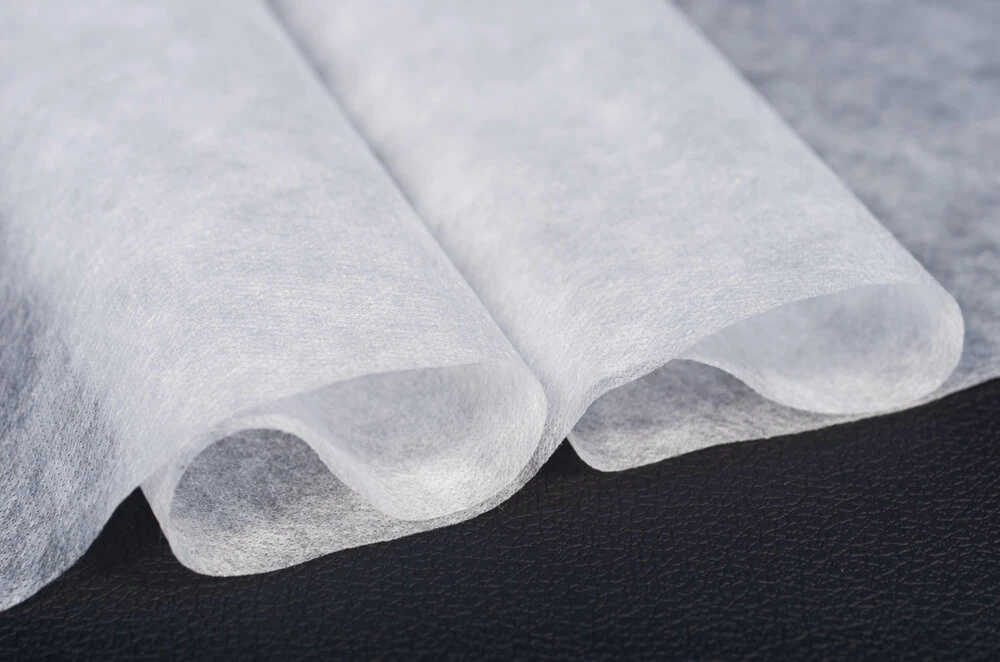
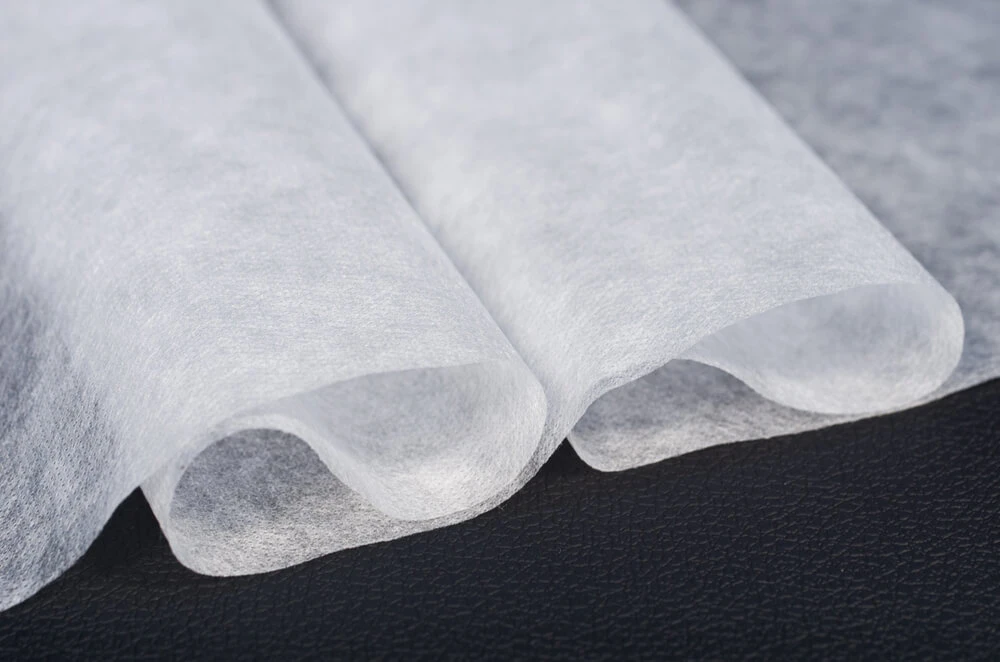
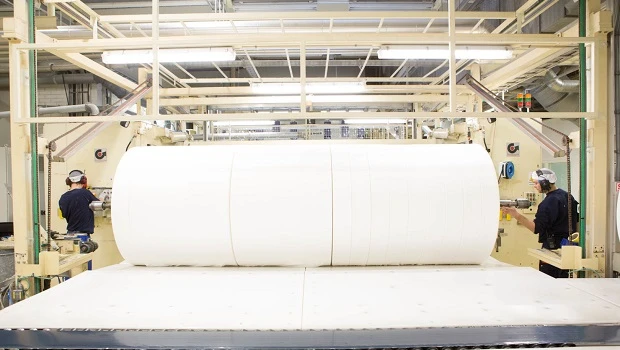
Nonwovens are fabric-like materials made without weaving or knitting. Instead of interlacing yarns, nonwovens are created by bonding fibers together using mechanical, thermal, or chemical processes.
1. The Finnish Nonwovens Market Is Evolving Faster Than Ever
Nonwovens companies in Finland are facing multiple industry shifts at the same time:
· Rising demand for eco-friendly and recyclable nonwoven materials
· Increasing pressure from EU sustainability and compliance regulations
· Higher customer expectations for performance, consistency, and traceability
· Global competition from lower-cost manufacturing regions
External consultants bring global market intelligence and cross-industry experience that internal teams may not have exposure to, helping Finnish manufacturers anticipate trends instead of reacting late.
2. Specialized Expertise Is Hard to Build In-House
The nonwovens industry is technically complex. It combines:
· Polymer science
· Process engineering (spunbond, meltblown, airlaid, wetlaid)
· Quality control
· Application-specific performance testing
Hiring full-time experts in every niche area is costly and often impractical. External consultants provide on-demand, deep technical expertise, allowing companies to:
· Solve production bottlenecks faster
· Improve material efficiency
· Reduce trial-and-error costs
· Accelerate product development
This is especially valuable for mid-sized Finnish manufacturers who need flexibility without expanding permanent headcount.
3. Sustainability & Compliance Require Independent Guidance
Sustainability is not optional in Finland, it’s a competitive expectation. Nonwovens companies must align with:
· EU environmental directives
· Carbon reduction goals
· Circular economy principles
· Customer sustainability audits
External consultants offer objective assessments of:
· Raw material selection
· Energy usage
· Waste reduction opportunities
· Lifecycle impact of nonwoven products
Because they operate independently, consultants can identify inefficiencies and compliance risks that internal teams may overlook due to familiarity or legacy processes.
4. Process Optimization Improves Margins in a High-Cost Market
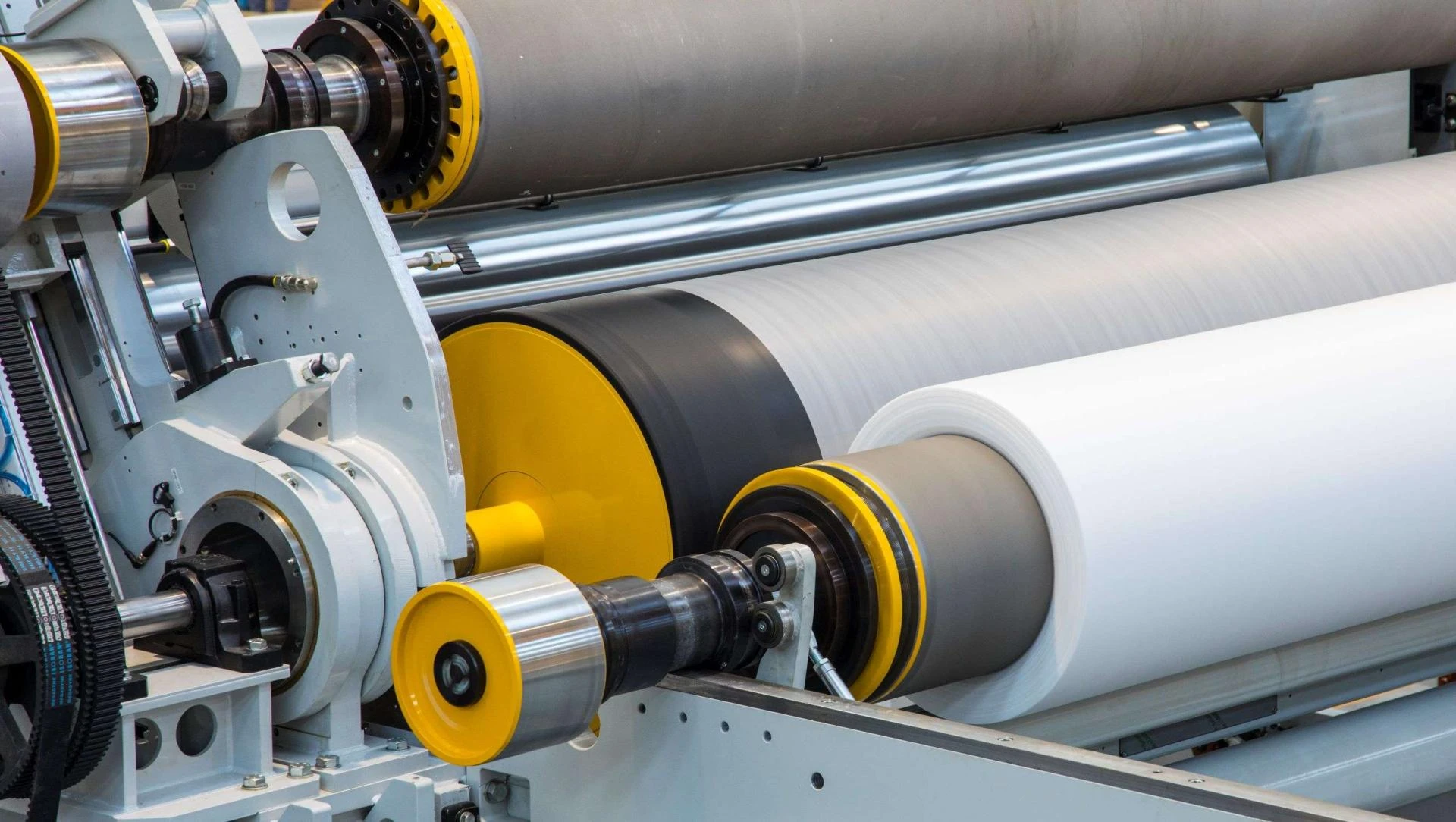
Finland is known for high-quality manufacturing, but it is also a high-cost operating environment. This makes process efficiency critical.
External nonwovens consultants help by:
· Auditing production lines
· Reducing material waste
· Improving machine uptime
· Optimising throughput without compromising quality
Even small efficiency gains can significantly improve margins, making Finnish companies more competitive against global players.
5. Faster Innovation Through External Perspectives
Innovation is central to the nonwovens industry, especially in medical, hygiene, and technical applications. However, internal teams can become constrained by:
· Existing product portfolios
· Familiar processes
· Internal risk aversion
Consultants bring fresh, industry-wide perspectives, helping companies:
· Explore new applications for existing materials
· Adapt technologies used in other markets
· Validate ideas before heavy investment
This accelerates innovation while reducing commercial risk.
6. Market Expansion & Customer Alignment
Many Finnish nonwovens companies are expanding into European and global markets. External consultants support this by:
· Aligning product specifications with international customer needs
· Supporting customer trials and technical documentation
· Benchmarking products against global competitors
This ensures that product development is market-driven, not just technically sound.
7. A Strategic Advantage, Not a Cost
The most competitive nonwovens companies view external consulting as a strategic partnership, not an expense. The return often comes in the form of:
· Reduced development time
· Lower operational costs
· Stronger compliance readiness
· Higher customer satisfaction
In a precision-focused market like Finland, these advantages directly translate into long-term competitiveness.
Conclusion
For nonwovens companies in Finland, staying competitive today requires more than strong internal capabilities. It requires specialised knowledge, independent insight, and global perspective.
External nonwovens consulting empowers manufacturers to:
· Adapt faster to industry changes
· Strengthen sustainability performance
· Optimise operations
· Innovate with confidence
In an industry where precision, performance, and sustainability define success, external expertise is no longer optional, it’s essential.