Something changed in Navi Mumbai over the past year. Not the usual talk about potential or future plans. Actual concrete changes that made investors stop and reconsider this city.
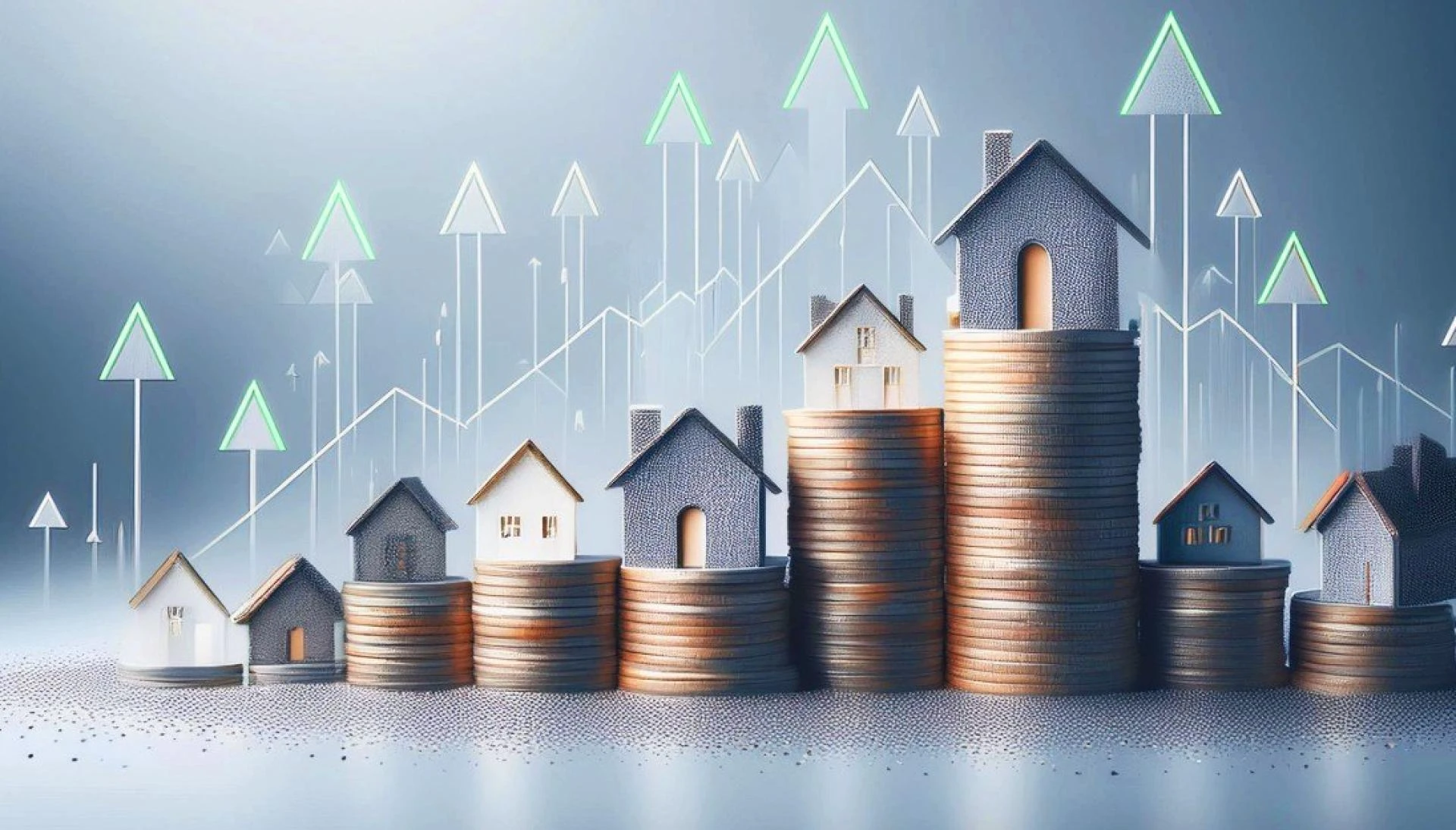
The navi mumbai real estate market was always considered safe but boring. Steady returns, nothing spectacular. Then 2026 happened. Property prices that climbed 22% between 2021 and 2025 suddenly made sense. Panvel shot up 74% in the same stretch. Those are not projections. Those are recorded sale prices.
What shifted was simple. Everything promised for years actually got built. The airport opened. Metro started running. Roads connected properly. Jobs showed up in real numbers.
When the airport actually opened
Navi Mumbai International Airport went live for commercial flights in December 2025. By February 2026, it started running round the clock.
Property prices near the airport jumped 30% to 50% within a few months. People who sat waiting to confirm the airport would really happen watched that appreciation pass them by.
The airport brought something more valuable than just flights. Four lakh jobs landed across cargo, logistics, hospitality, and aircraft maintenance. Those jobs need housing. Families relocating for work create genuine demand, not speculative buying.
Why this mattered beyond just flights:
- First phase handles 20 million passengers, scales up to 90 million later
- International connectivity changed how companies view Navi Mumbai for regional offices
- Reduced crowding at Mumbai airport made business travel smoother from this side
Roads and rails that finally work
The navi mumbai real estate market spent decades hearing about infrastructure coming soon. 2026 saw multiple projects finish at once instead of dragging on forever.
Mumbai Trans Harbour Link cut commute time to South Mumbai under 40 minutes. Professionals working in Fort or Nariman Point can now live affordably in Navi Mumbai without burning three hours daily in traffic.
Metro Line 1 connects Belapur to Pendhar. Line 8 links both airports and shaved 30% off travel time. Homes near metro stations already cost 10% to 12% more than similar properties a kilometer away.
According to analysis shared by a leading real estate insights platform, infrastructure projects and job hubs are driving sustained demand in Navi Mumbai.
What changed for actual buyers:
- Living costs stay manageable while career options stay open
- Rental income of 3% to 5% beats most Mumbai areas stuck around 2.5%
- Companies moving offices followed the infrastructure, not promises
Where prices moved and why
The navi mumbai real estate market does not move uniformly. Location matters more than ever based on how close you sit to new infrastructure.
Ulwe and Panvel lead the pack with 25% to 35% gains year after year. Closest to the airport with land still available for construction. Panvel land prices jumped 93% since 2021, now trading around ₹80,000 to ₹85,000 per square yard.
Kharghar grew 20% to 25% annually. The upcoming Corporate Park covering 375 acres will work like a smaller BKC. That news alone moved prices before construction even started.
Vashi and Seawoods have already reached premium levels. Vashi climbed from ₹22,800 to ₹28,300 per square foot. Seawoods went from ₹23,000 to ₹32,400. Stable areas with less room for explosive growth but solid for rental returns.
Where buyers are focusing now:
- Ulwe and Dronagiri for bigger appreciation potential while still affordable
- Kharghar and Nerul for immediate rental income with steady growth
- Commercial spaces near transport hubs for long term institutional tenants
Mumbai 3.0 becomes real
NAINA covers 94 villages around the airport zone. The master plan wraps up in August 2026. Construction starts right after that.
Yotta is putting up Asia's biggest Tier IV data center here. It will handle 65% of India's data storage needs. Companies do not invest that scale on speculation. They invest when growth looks certain.
Target completion sits at 2030 for the first phase. Land prices are climbing now before bulldozers even show up. Institutional money positions early, retail buyers follow once they see activity.
Why this development plays differently:
- Planned from scratch avoids the mess older Mumbai suburbs became
- Tech infrastructure pulls in high income jobs that need premium housing nearby
The window that is narrowing
Analysts expect another 15% to 25% price rise through 2026 in the navi mumbai real estate market. Some pockets might see 15% to 20% yearly gains until 2030 depending on job growth and project delivery.
Rental demand holds firm. Airport employees, corporate transfers, students, NRI buyers all competing for decent properties. Good buildings in smart locations stay rented with minimal vacancy.
ASK Property Fund backed by Blackstone dropped ₹210 crore into Gami Group projects just this January 2026. When big institutional money enters, it signals something changed beyond hype.
What 2026 means for putting money in:
- Getting in early still possible but window closing as mainstream buyers wake up
- Rental returns beat saturated Mumbai premium areas
- Infrastructure risk mostly gone since projects are running, not just planned
What actually matters now
Markets do not climb forever. The navi mumbai real estate market will cool eventually as prices catch up with what people can actually afford.
But 2026 sits at a rare spot. Airport just launched. Metro expanding. Office parks rising. Jobs multiplying. Everything pushing demand forward fired up at once.
People who bought Panvel or Ulwe three years back already banked 50% to 70% gains. Entering in 2026 probably will not match that. But sitting out completely means watching Navi Mumbai finish transforming without you.
The real question is not if Navi Mumbai grows. It is growing right now. The question is whether you enter while infrastructure benefits are still getting priced in or you wait until everything finishes and prices reflect that completion.
2026 might be the final year to catch real upside before the navi mumbai real estate market hits mature pricing across most areas.