Moving away from retail fueling is not a new trend, but in 2026 it is picking up speed. Higher labor costs, unpredictable fuel prices, stricter compliance rules, and better fleet technology have made mobile fuel services a must-have instead of just a convenience. Here’s what is causing this shift and why more operators are choosing to bring fueling directly to their yards this year.
Labor is too expensive to waste at the pump
A driver sitting in line or detouring to a station is paid the whole time. With wages climbing, those 20-to-40-minute fueling trips have become one of the easiest costs to cut. Mobile fueling reclaims those hours and puts them back on the route.
Fuel-price volatility rewards predictability
Swinging diesel prices make budgeting a guessing game. Mobile providers typically price on a transparent index plus a fixed margin, giving finance teams a steadier number to forecast against than the daily retail roller coaster.
Fuel theft has gotten harder to ignore
Fleet-card fraud, skimming, and overfilling can quietly eat into your budget. When fuel is delivered straight to your tanks and measured for each vehicle, these losses mostly go away, and you see the savings immediately.
Telematics finally connects to fueling data
Modern fleets rely on data, and in 2026, mobile fueling is completely digital. Per-vehicle gallon logs, GPS-verified deliveries, and exportable reports connect directly to telematics, maintenance schedules, and IFTA filings, so there is no need for manual reconciliation.
Compliance pressure keeps rising
EPA scrutiny and hazmat requirements make DIY fueling a liability. Established mobile providers carry their own spill-prevention plans, certifications, and documentation, shifting that exposure off your books.
Sustainability reporting is now a boardroom topic
Eliminating thousands of deadhead miles to and from stations cuts emissions in a measurable, reportable way. For companies facing ESG expectations, mobile fueling is an easy, defensible win.
Reliability has become a differentiator
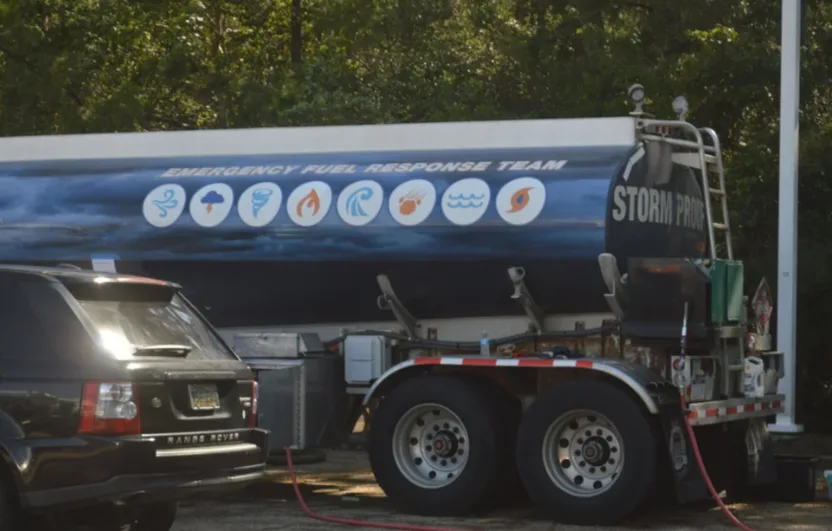
After several years of storms, outages, and supply disruptions, operators have learned fuel access can’t be assumed. A standing mobile fuel relationship keeps trucks moving when retail stations are dry or closed.
It scales without capital outlay
Whether you run 5 vehicles or 500, mobile fuel services scale without forcing you to build tanks, install dispensers, or hire fuel-handling staff. The provider absorbs the complexity and the permitting.
Safer for drivers
Stopping at unfamiliar stations late at night can be risky for drivers. Fueling at a secure yard removes this risk completely, which is becoming more important for hiring and keeping drivers each year.
The trend is really about control
If you look past the individual reasons, the main theme is control over cost, data, compliance, and uptime. This is why more businesses are choosing mobile fueling: it lets operators manage a part of their business that was once automatic.
Atlas Fuel Services provides mobile fueling and on-site fuel delivery for fleets, construction sites, and commercial yards throughout the region. We offer certified drivers, digital reporting, and pricing that is reliable both on paper and in practice. Request a custom quote to find out what your current fueling setup is really costing you.