
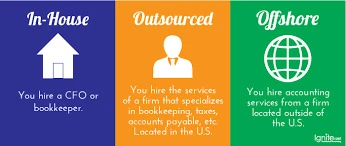
As the accounting industry continues to evolve, firms are constantly seeking innovative solutions to improve efficiency, reduce costs, and deliver better value to their clients. One trend that has gained significant momentum and is expected to grow even further in 2025 is the adoption of offshore bookkeeping services for accounting firms.
In this article, we explore the key reasons why more accounting firms are turning to offshore bookkeeping and how this strategic move is shaping the future of the profession.
1. Cost Efficiency Amid Rising Operational Expenses
Operating an accounting firm in today’s economy involves managing rising costs related to salaries, benefits, office space, and technology. For many firms, maintaining a full in-house bookkeeping team is expensive and can constrain budget flexibility.
Offshore bookkeeping services for accounting firms offer a cost-effective alternative by leveraging labor markets with lower operational costs. By outsourcing bookkeeping functions offshore, firms can significantly reduce expenses without sacrificing quality. This cost advantage enables firms to invest more resources into high-value advisory services and technology upgrades, enhancing their competitive edge.
2. Access to a Global Talent Pool
In 2025, the demand for skilled bookkeeping professionals continues to outpace supply, making recruitment a challenge for many accounting firms. Offshore bookkeeping services provide access to a global pool of experienced and qualified professionals who specialize in various accounting standards and software platforms.
This global talent availability means firms no longer have to compromise on skill or expertise due to local market constraints. Whether it’s payroll processing, accounts reconciliation, or financial reporting, offshore bookkeeping providers can supply specialized teams tailored to the unique needs of each firm.
3. Enhanced Scalability and Flexibility
The workload of accounting firms can fluctuate dramatically, especially during tax season or financial year-end. Hiring full-time staff to meet peak demand can lead to underutilization during slower periods, impacting profitability.
By partnering with offshore bookkeeping services for accounting firms, firms gain the flexibility to scale their bookkeeping capacity up or down according to demand. Offshore providers often offer customizable service packages—ranging from part-time support to full-time teams—allowing firms to optimize costs and resource allocation throughout the year.
4. Leveraging Advanced Technology and Automation
Technology plays a crucial role in the efficiency and accuracy of bookkeeping processes. Many offshore bookkeeping providers invest heavily in state-of-the-art accounting software, cloud platforms, and automation tools, enabling them to deliver faster and more accurate services.
In 2025, the integration of AI and machine learning into bookkeeping is becoming mainstream. Offshore bookkeeping services often lead in adopting these innovations, offering accounting firms enhanced data accuracy, fraud detection, and streamlined workflows. By leveraging these technologies, firms can improve client satisfaction and reduce the risk of errors.
5. Focus on Core Accounting and Advisory Services
Bookkeeping, while essential, is a routine and time-consuming task. By outsourcing bookkeeping to offshore providers, accounting firms free up their in-house staff to focus on higher-value activities such as tax planning, financial consulting, and business advisory.
This strategic focus not only improves client outcomes but also enhances the firm’s reputation as a trusted advisor rather than just a number cruncher. Outsourcing routine tasks allows firms to differentiate themselves and attract more clients seeking expert guidance.
6. Improved Turnaround Times Through Time Zone Advantages
One unique advantage of offshore bookkeeping services is the ability to leverage time zone differences. While an accounting firm’s in-house team may be off-duty, offshore teams can continue processing transactions, reconciling accounts, and preparing reports.
This "follow-the-sun" model results in faster turnaround times, allowing firms to provide clients with up-to-date financial information promptly. Faster reporting improves client decision-making and enhances overall service quality.
7. Risk Mitigation and Business Continuity
Unexpected absences, staff turnover, or local disruptions can impact an accounting firm’s ability to maintain consistent bookkeeping operations. Partnering with offshore bookkeeping services for accounting firms adds a layer of business continuity.
Offshore providers typically have larger teams and redundancies in place to ensure uninterrupted service delivery. This reliability protects firms from operational risks and helps maintain client trust even during challenging times.
8. Ensuring Data Security and Compliance
Security concerns are a top priority when outsourcing any financial function. Leading offshore bookkeeping services invest in robust security protocols, including encrypted data transfers, secure cloud storage, and strict access controls.
In addition, many offshore providers comply with international standards such as GDPR and SOC 2, ensuring that your firm’s and clients’ sensitive financial information is safeguarded. This compliance alleviates concerns about data breaches and legal liabilities.
9. Meeting Increasing Client Expectations
Clients today expect more than just accurate bookkeeping—they want timely insights, proactive advice, and seamless communication. By leveraging offshore bookkeeping services, accounting firms can meet these rising expectations by offering faster turnaround times, detailed reporting, and scalable support.
Outsourcing bookkeeping also frees up internal resources to focus on building stronger client relationships, improving satisfaction, and driving referrals.
10. Environmental and Sustainability Considerations
As environmental responsibility becomes a growing concern, some accounting firms are choosing offshore bookkeeping services that promote remote work and reduce the need for large physical offices. This shift not only lowers carbon footprints but also aligns firms with sustainability goals increasingly valued by clients.
How to Choose the Right Offshore Bookkeeping Partner in 2025
With the growing popularity of offshore bookkeeping services, selecting the right provider is crucial. Here are some tips for accounting firms looking to outsource bookkeeping offshore:
- Evaluate Expertise: Look for providers experienced in working with accounting firms and familiar with your niche.
- Technology Integration: Ensure the provider uses modern, secure accounting software that integrates smoothly with your systems.
- Security Protocols: Confirm that the provider has stringent data security measures and compliance certifications.
- Clear Communication: Choose a partner who offers transparent communication channels and reliable support.
- Flexible Service Models: Opt for providers who can scale services to match your firm’s workload and growth.
Conclusion
The trend towards outsourcing bookkeeping to offshore providers is set to continue growing in 2025. The combination of cost savings, access to skilled professionals, scalability, advanced technology, and improved turnaround times makes offshore bookkeeping services for accounting firms a strategic choice.
By embracing offshore bookkeeping, accounting firms can reduce operational burdens, focus on delivering high-value advisory services, and enhance client satisfaction. If your firm hasn’t yet explored offshore bookkeeping, 2025 is the ideal time to consider this transformative approach.