Modern living depends on better insulation because our expectations for home performance have fundamentally changed. We now demand greater comfort, lower energy bills, and healthier indoor environments, and traditional, underperforming insulation simply can't meet these standards. Better insulation is the critical foundation that allows a home to operate efficiently and safely, controlling the flow of heat, air, and moisture. Without it, achieving the level of control and stability we associate with a modern home is nearly impossible.
Understanding this requires a closer look at why insulation has become so central to our daily lives, moving from a simple building material to a key component of a high-performing home system.
The Shift from Basic Shelter to Controlled Environments
For decades, a home's main job was to provide basic shelter from the elements. A little draftiness was normal, and energy was cheap. Today, that's no longer the case. We expect precise temperature control year-round, and with fluctuating energy costs, we can't afford to be wasteful. Heating and cooling account for nearly half of the average U.S. home's energy consumption, making any inefficiency extremely costly.
Better insulation directly addresses this by creating a more stable indoor environment. By significantly slowing heat transfer and, in the case of materials like spray foam, stopping air leakage entirely, high-performance spray foam insulation reduces the workload on HVAC systems. This means they run less frequently and more efficiently, leading to immediate and sustained reductions in energy bills. A well-insulated home can maintain a comfortable temperature for hours without the furnace or air conditioner kicking on, a feat unimaginable in the poorly insulated homes of the past.
The Connection Between Insulation and Indoor Health
One of the biggest shifts in modern living is our growing awareness of indoor air quality. We now know that the air inside our homes can be more polluted than the air outside. Older, "leaky" homes may seem to get plenty of fresh air, but that air is unfiltered, bringing dust, pollen, pollution, and moisture in with it. This uncontrolled air exchange is a major contributor to allergies and respiratory issues.
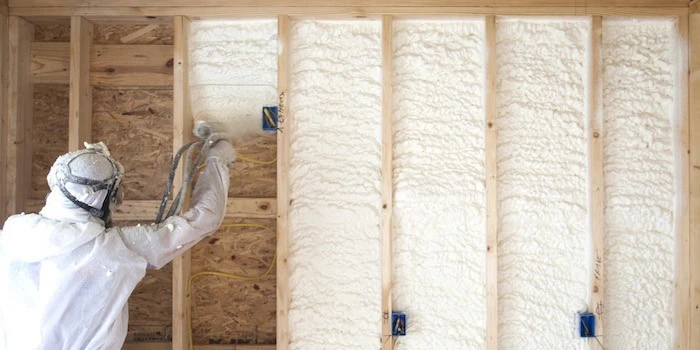
High-performance insulation, especially types that create an air seal, allows homeowners to take control of their indoor environment. By sealing the building envelope, you stop the random infiltration of outdoor contaminants. This creates a system where you can manage air quality intentionally through mechanical ventilation, like an ERV (Energy Recovery Ventilator), which brings in fresh, filtered air without wasting energy. Better insulation is the first step in creating a home that actively supports the health of its occupants.
Protecting Your Biggest Investment from Hidden Threats
A modern home is a complex and valuable asset filled with sensitive materials. One of the biggest threats to that investment is moisture. When warm, moist indoor air comes into contact with cold surfaces inside a poorly insulated wall, condensation can form. This hidden moisture leads to mold, mildew, and wood rot, which can cause serious structural damage and health problems.
Professional spray foam installation strategies are designed to manage moisture. Closed-cell spray foam, for example, acts as a vapor barrier, completely stopping moisture from moving through the building assembly. Other systems use advanced house wraps and ventilation to allow the structure to dry out. By controlling moisture, better insulation protects the home's structural integrity, prevents costly repairs, and preserves its value over the long term.
Bonus Tip: In humid climates, insulating the crawl space with moisture-impermeable insulation like closed-cell spray foam is one of the most effective ways to prevent mold growth and protect the home's foundation and flooring from moisture damage.
How Insulation Technology Has Evolved
The materials we use to insulate our homes have changed dramatically. What was once standard is now often seen as insufficient for modern needs. This evolution is key to understanding why today's homes can perform so much better.
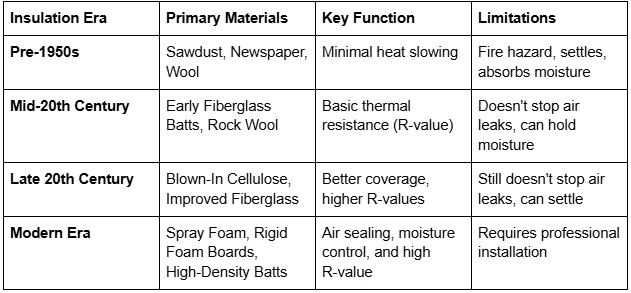
The clear trend is a move from materials that just slow heat to systems that control heat, air, and moisture simultaneously. This integrated approach is what allows modern homes to be so efficient and comfortable.
Things to Consider Before Upgrading Your Insulation
Making the switch to better insulation is a smart move, but it's important to approach it as a strategic upgrade, not just a simple replacement.
See Your Home as a System
The best results come from thinking of your house as a complete system. The insulation, windows, HVAC system, and roof all work together. For instance, installing high-performance insulation might mean you can downsize your next HVAC unit, saving money upfront and on future bills. A comprehensive energy audit is a great way to understand how all these parts are interacting and where the biggest opportunities for improvement lie.
Professional Application is Not Optional
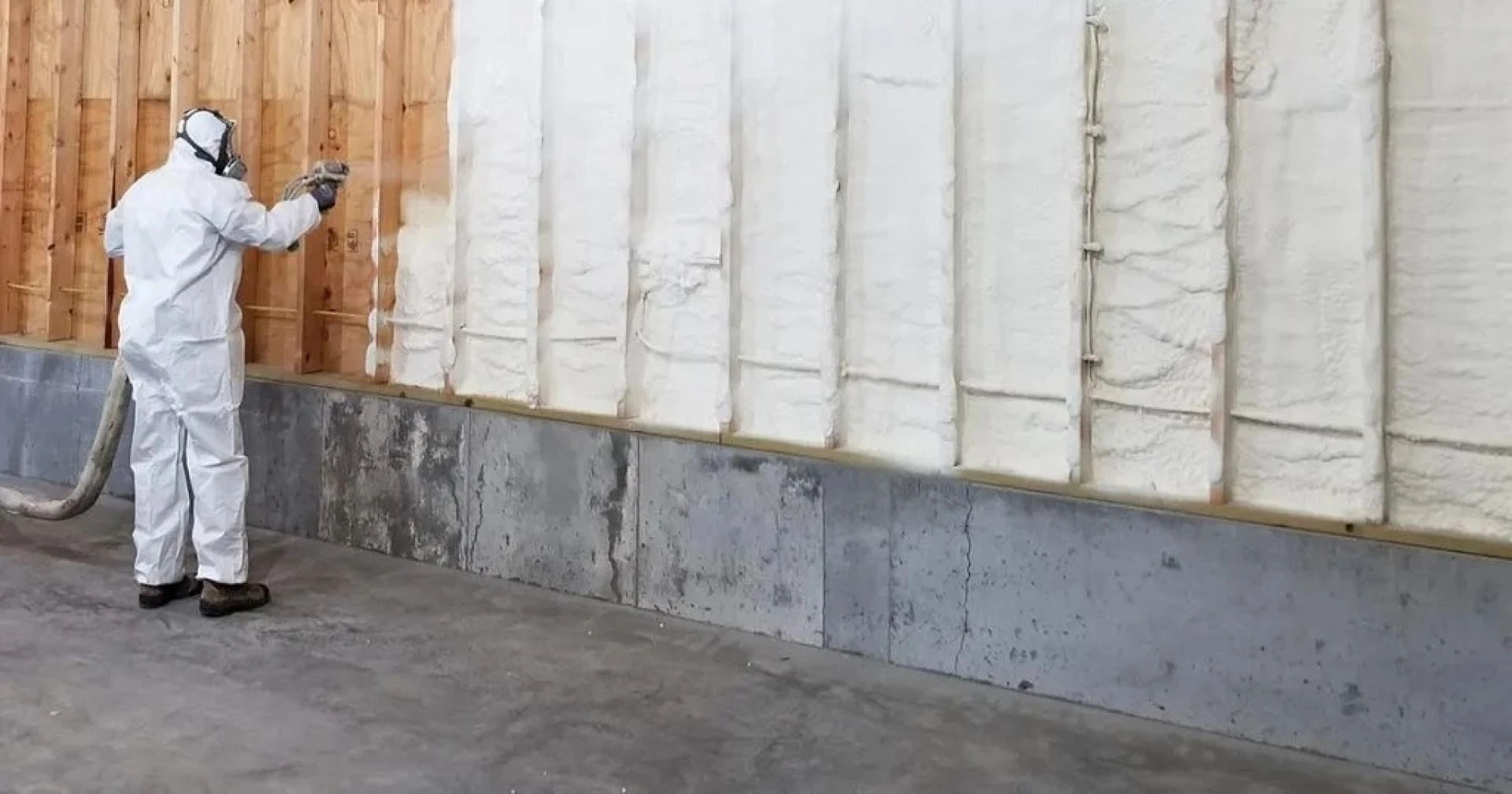
Modern insulation materials, particularly spray foam, are not DIY-friendly. Their performance is entirely dependent on correct installation. This includes proper surface preparation, chemical mixing, and application thickness. Hiring a certified and experienced contractor is the only way to ensure the material performs as designed and is safe for your home.
Bonus Tip: Ask potential installers about their training and what kind of quality control checks they perform during and after the job. Reputable companies will have a clear process to ensure a successful application.
Focus on High-Impact Areas First
If a full insulation overhaul isn't in the budget, focus on the areas with the most significant energy loss. For most homes, this is the attic and the basement or crawl space. Upgrading these two areas can often solve the majority of a home's comfort and efficiency problems and provide the quickest return on investment.
Questions People Ask About Modern Insulation
Here are a few common questions homeowners have when considering an insulation upgrade.
Does better insulation make a home too tight?
An airtight home is an energy-efficient home. While it's true that you need to manage indoor air quality, a "tight" home allows you to do so with controlled, filtered ventilation, which is much healthier than random, dirty drafts.
Can I get a return on my investment with better insulation?
Yes. While the payback period varies, many homeowners see a return on their investment in 5 to 10 years through energy savings alone. This doesn't even account for the added value of increased comfort and home protection.
Will new insulation help with noise?
Definitely. High-performance insulation, especially materials like open-cell spray foam and dense-packed cellulose, is excellent at absorbing sound. It can significantly reduce noise from outside traffic, neighbors, and even between rooms in the house.
What is the difference between thermal resistance and air sealing?
Thermal resistance (R-value) is an insulation's ability to slow the flow of heat. Air sealing is its ability to stop air from moving through it. Both are critical for energy efficiency, and materials like spray foam excel at providing both at the same time.
How does insulation impact a home's resale value?
A well-insulated home with documented low energy bills is a major selling point. It signals to potential buyers that the home is comfortable, affordable to run, and has been well-maintained. It can be a significant factor in a home's marketability and final sale price.
The New Standard for Home Performance
In the end, modern living depends on better insulation because it is the enabling technology for everything we want in a home today: financial savings, consistent comfort, a healthy living space, and long-term durability. It has shifted from an optional upgrade to a foundational requirement for any high-performing home. To meet modern expectations, homeowners should look beyond just adding more of the same and consider how advanced insulation systems can fundamentally change their living experience.
Getting a Professional Evaluation
The first step toward a more modern, efficient home is understanding its current weaknesses. A professional insulation contractor can perform a thorough assessment to identify areas of energy loss and recommend the most effective solutions. For homeowners interested in a detailed analysis, a company like Raleigh Excel Spray foam Insulation can provide expert guidance. They can be reached at (919) 301-9435 or via email at [email protected] to schedule a consultation and discuss how to bring a home up to modern performance standards.
Reviewer: This post was reviewed by William Harris, who has nearly a decade in the spray foam insulation field. He provided guidance that reflects both technical understanding and real-world marketing experience.