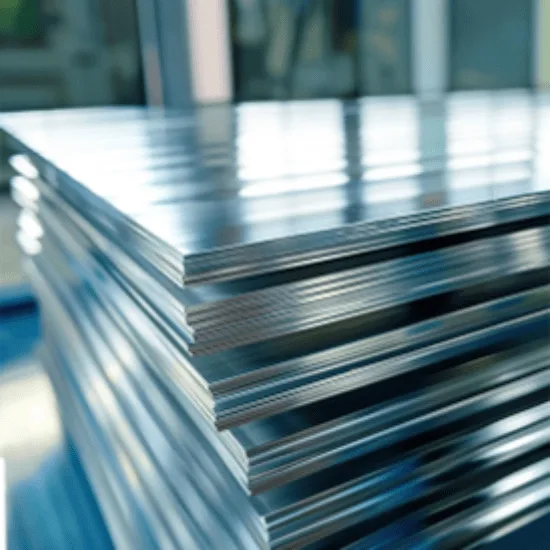
Industrial fabrication requires materials that offer a practical balance of strength, flexibility, durability, and affordability. Mild steel plates have become a preferred choice for manufacturing units, engineering companies, construction contractors, and fabrication workshops because of their versatile properties and ease of processing. Businesses looking for dependable MS Plate Suppliers In Hyderabad often prefer mild steel plates for projects involving structural components, machinery, storage tanks, and industrial equipment. Their adaptability to different fabrication processes makes them suitable for a wide range of manufacturing and infrastructure requirements.
1. Excellent Weldability for Different Fabrication Requirements
One of the biggest reasons behind the popularity of mild steel plates is their good weldability. Their relatively low carbon content makes them suitable for various conventional welding processes when the correct material grade and welding procedure are selected.
Fabricators regularly use mild steel plates to manufacture frames, support structures, machine components, brackets, and industrial assemblies. They can be joined using commonly employed methods such as shielded metal arc welding, gas metal arc welding, and submerged arc welding.
Good weldability helps simplify fabrication operations, supports consistent joint quality, and can reduce unnecessary production complications. This makes mild steel plates a practical material for workshops handling both customized fabrication and large-scale industrial production.
2. Easy Cutting, Bending, and Shaping
Industrial projects frequently require steel plates to be converted into specific shapes and dimensions. Mild steel plates offer good formability, allowing fabricators to perform cutting, drilling, bending, rolling, and machining operations according to project specifications.
They are commonly processed using plasma cutting, oxy-fuel cutting, laser cutting, and mechanical shearing, depending on plate thickness and production requirements.
This flexibility is particularly valuable when manufacturing equipment enclosures, machine bases, support brackets, storage tanks, and structural components. Fabricators can transform standard plates into customized products without relying on highly specialized processing for every application.
For projects requiring precise dimensions and finished components, selecting the correct plate thickness and material grade is essential.
3. Good Strength for Structural and Industrial Applications
Mild steel plates provide a useful combination of mechanical strength and ductility, making them suitable for many general engineering and structural fabrication applications. Depending on the selected grade and thickness, they can be used to manufacture components designed to withstand different loading conditions.
Industries use these plates to produce equipment foundations, industrial platforms, machine frames, support structures, and fabrication assemblies. Their mechanical properties allow engineers to select suitable dimensions according to the structural requirements of individual projects.
For example, manufacturing facilities use fabricated mild steel base plates to support machinery, while construction companies use them in structural connections and reinforcement components. The right grade must always be selected according to the applicable design calculations and project specifications.
4. Cost-Effective Material for Large-Scale Production
Material costs significantly influence the overall budget of industrial fabrication projects. Mild steel plates are widely preferred because they offer a practical combination of material availability, fabrication convenience, and competitive procurement costs.
Their ability to undergo conventional cutting, welding, and forming operations can also help workshops manage manufacturing expenses. For bulk production, using readily available standard plate dimensions may reduce material wastage and simplify inventory planning.
Businesses sourcing steel for multiple fabrication projects often compare different suppliers to evaluate product quality, material specifications, availability, and transportation costs. Working with experienced MS Plate Suppliers In Hyderabad can help procurement teams coordinate their material requirements and plan purchases according to project schedules.
5. Wide Range of Industrial Applications
The versatility of mild steel plates makes them useful across several industrial sectors. Their applications extend beyond basic construction and include manufacturing, infrastructure development, transportation, and heavy engineering.
Some common applications include:
- Construction: Structural supports, connection plates, base plates, and building components.
- Machinery manufacturing: Machine frames, mounting plates, equipment foundations, and brackets.
- Storage equipment: Industrial tanks, containers, hoppers, and storage structures.
- Infrastructure: Fabricated supports, platforms, access structures, and equipment enclosures.
- General engineering: Custom-fabricated components, mechanical assemblies, and replacement parts.
Their suitability for different applications depends on the required strength, thickness, operating environment, and relevant engineering standards.
6. Availability in Different Grades and Thicknesses
Another important advantage of mild steel plates is their availability in different grades, dimensions, and thicknesses. This allows engineers and fabricators to select materials according to the specific requirements of their projects.
In India, IS 2062 is an important structural steel specification used for applicable mild and structural steel products. Commonly specified grades include E250 and E350, subject to the relevant product standard and supply condition.
Selecting the right grade requires consideration of yield strength, tensile strength, ductility, weldability, and dimensional requirements. Buyers should also review material test certificates to verify that the supplied plates meet the specified requirements.
7. Suitable for Customized Fabrication Projects
Many industrial applications involve components that cannot be manufactured using standard dimensions alone. Mild steel plates provide flexibility for customized fabrication, allowing workshops to produce components based on engineering drawings and project requirements.
They can be cut into specific profiles, bent into required shapes, drilled for mounting arrangements, and welded into larger assemblies. Plate bending and rolling operations also make them useful for manufacturing cylindrical and curved components.
For procurement teams, choosing a supplier with suitable product availability and fabrication support can simplify material sourcing. Reliable MS Plate Suppliers In Hyderabad can be an important resource when businesses need mild steel plates for customized industrial and engineering applications.
8. Easy Surface Treatment and Maintenance
Although untreated mild steel can be susceptible to rust and corrosion, its surface can be protected using suitable treatments. Depending on the application, fabricators may use primer coatings, industrial paints, galvanizing, or other protective systems to improve resistance to environmental exposure.
Surface preparation is equally important because removing scale, oil, and contaminants helps protective coatings adhere properly. For outdoor structures, industrial equipment, and components exposed to moisture, selecting an appropriate corrosion protection system can improve service life and reduce maintenance requirements.
This makes mild steel a versatile option for fabrication projects where suitable surface protection can be incorporated into the manufacturing process.
9. Important Factors to Consider When Purchasing MS Plates
Choosing the right mild steel plate is essential for achieving the desired fabrication quality and structural performance. Buyers should evaluate several factors before placing an order.
- Material grade: Select a grade that meets the project's mechanical and engineering requirements.
- Plate thickness: Confirm the required thickness according to design calculations and fabrication needs.
- Dimensions: Check length, width, flatness, and dimensional tolerances.
- Material certification: Request relevant material test certificates and inspection documentation.
- Surface condition: Check for visible defects, rust, scaling, and damage.
- Supplier reliability: Consider product availability, quality consistency, pricing, and delivery capabilities.
Businesses searching for dependable MS Plate Suppliers In Hyderabad should prioritize suppliers who can provide suitable material specifications, transparent product information, and consistent supply support.
Conclusion
Mild steel plates continue to be widely used in industrial fabrication because of their weldability, formability, mechanical properties, versatility, and cost-effectiveness. From machinery manufacturing and structural fabrication to storage tanks and infrastructure components, they support numerous industrial applications.
Selecting the appropriate grade, thickness, and surface protection is essential for achieving reliable results. Karoli Pipes offers MS plate solutions for industrial and fabrication requirements. Businesses looking for suitable materials can explore its MS Plate Suppliers in Hyderabad page to learn more about its product offerings and discuss their procurement requirements.
Other Recommendations: Cement Lined Steel Pipe Supplier