In the unwritten script of the Indian wedding season, there is a growing expectation that men not only show up but show up well. It is no longer acceptable to treat menswear as an afterthought to bridal couture. The groomsmen, the brothers, the cousins, even the distant relatives, each finds himself part of a larger aesthetic performance.
In this shifting landscape, Nawab Parker has become the label many are turning to. The sudden surge? It isn’t accidental. It’s the outcome of something long overdue: a brand finally aligning style with male intent.
Wedding-Worthy Without Being Wedding-Obsessed
Weddings, in their current form, are not quiet affairs. They are grand, layered, and increasingly visual. But what men often look for is not visibility for visibility’s sake, it’s relevance. Nawab Parker understands this distinction.
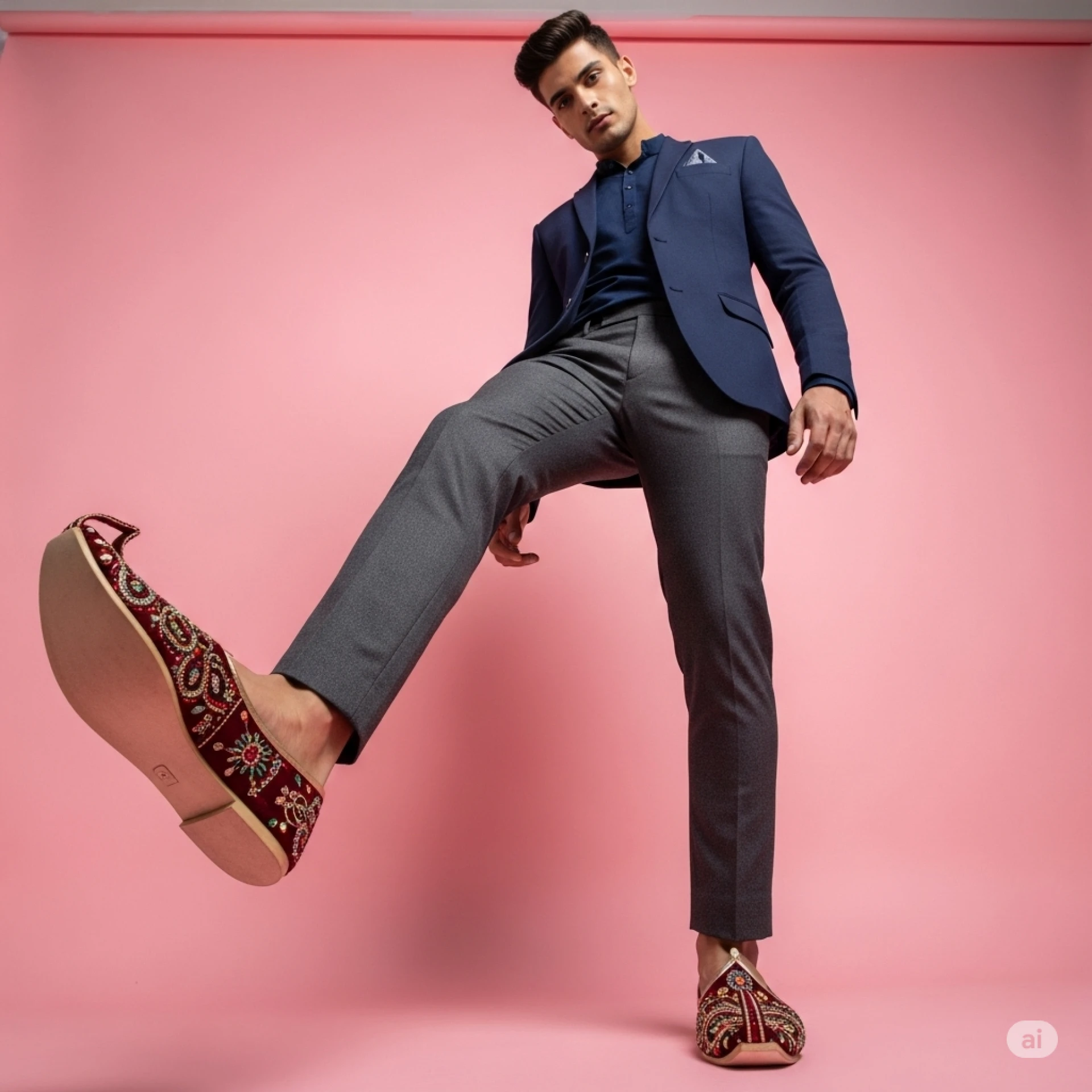
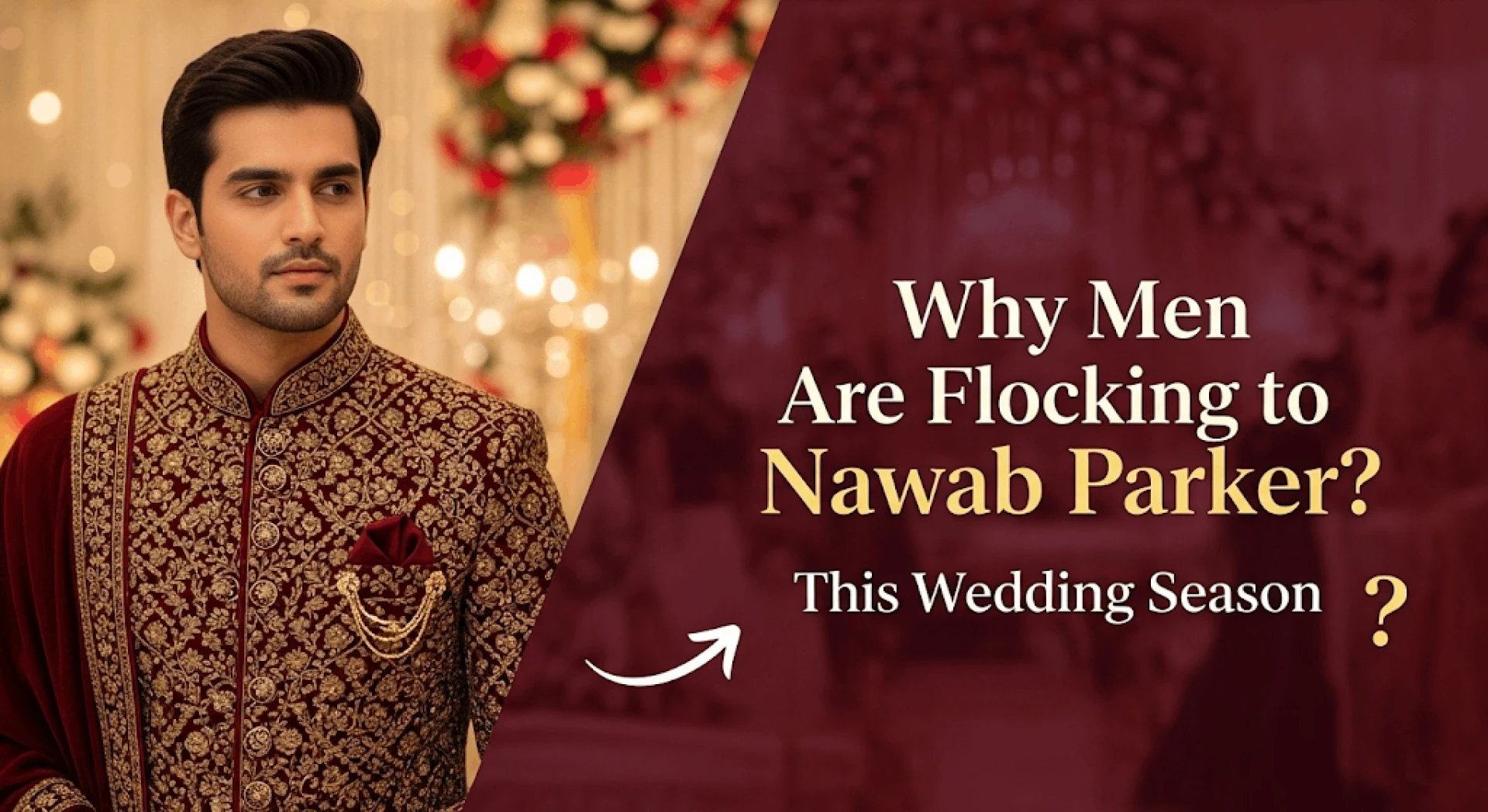
The brand’s wedding-season catalogue isn’t built on theatrics. It avoids flamboyance disguised as couture. Instead, it leans into sharp tailoring, intelligent detailing, and measured flair. There are sherwanis in muted ivory with burnished gold threadwork, not shouting for attention, but commanding a second look. Sets of kurta pajama for men that hold their own beside more heavily styled lehengas, not competing, but standing apart. It’s a kind of presence that suits the moment without being consumed by it.
Function Meets Intention
Weddings are not singular events. They are sprawling, spread across ceremonies, locations, climates, and expectations. Men need clothing that can pivot between these phases without wardrobe fatigue. A kurta for the mehendi, a jacket set for the reception, and a sherwani for the pheras, each piece needs to perform, but without repetition. Nawab Parker’s collections are structured to handle this rotation with grace.
You’ll find overlap in colors and trims, but rarely in silhouette. Cuts evolve across pieces. A jacketed kurta may mirror the tones of a sherwani but shift in structure entirely. Accessories are designed with dual purpose, juttis, saafas, and brooches that elevate but do not overpower. This creates cohesion without monotony.
The Groom’s Inner Circle Has Changed
The modern wedding no longer centers exclusively on the bride and groom. The wider male entourage, friends, siblings, uncles, are now expected to dress in harmony, if not coordination. Nawab Parker has quietly become the preferred outfitter for these groups because its catalogue supports ensemble styling without resorting to uniformity.
A single family might select from the same color story, say, shades of sand and rose, but wear entirely different outfits: a quilted bandi for one, a layered angarkha for another, a longline kurta for the next. There is no sense of forced sameness, only visual agreement.
This approach doesn’t just reflect taste, it shows planning. And in a season where appearances are archived forever in photographs and reels, that matters.
Pricing That Doesn’t Undermine Planning
Weddings, regardless of budget, are exercises in allocation. Between venues, caterers, photographers, decorators, and endless gifts, apparel can begin to feel like a corner to cut. Nawab Parker prevents that compromise by making elegance attainable across price points.
One of the brand’s least spoken-of strengths is its respect for the buyer’s budget. It offers ranges, not in the sense of watered-down versions of premium designs, but in intelligent edits.
You’ll see similar silhouettes in ₹3,500 and ₹15,000 brackets, differentiated by fabric, finish, and complexity, not by intent. The message is clear: the ability to participate in elegance isn’t conditional on how much you spend.
This level of financial consideration, rarely discussed but widely appreciated, is a large part of why the brand has become a default destination for wedding shopping. Particularly among grooms who are styling multiple family members or friends with an eye on consistency and cost control.
Fit That Doesn’t Require Recalibration
Most men do not have the luxury of multiple fittings. Many don’t want them. And the vast majority aren’t fluent in the language of tailoring. Nawab Parker seems to understand this in its sizing logic.
Standard pieces are cut with adjustments in mind, room to nip, to tuck, to lengthen a hemline. Shoulders sit clean, sleeves allow movement, and closures are reinforced to prevent last-minute wardrobe failures. These are subtle attributes that don’t translate well to digital advertising, but they matter, especially when you’re halfway into a baraat or four hours deep into a reception line.
Garments arrive wearable, not needing reconstruction. That reliability builds trust. That trust builds loyalty.
Aesthetic Without Anxiety
Many men approach wedding shopping with hesitation, if not outright dread. They fear looking either underdressed or overdressed. They want to feel confident, but not costumed. Nawab Parker diffuses this tension by offering garments that are expressive without being complicated.
A kurta from their festive line doesn’t need a stylist’s intervention.
A sherwani from their bridal edit doesn’t demand a week-long crash course in fabric vocabulary. You wear it, and it works. That kind of usability is rare, and deeply welcomed.
Final Thought
Perhaps what explains the “flocking” is not marketing reach, nor influencer seeding, but the fundamental way Nawab Parker treats its customers. It doesn’t sell to men through their mothers or partners. It speaks to them directly. It assumes they care about how they look. It gives them options without overwhelm. It provides guidance without condescension.
That simple gesture, of meeting the male customer where he is, rather than dragging him where fashion wants him to go, is likely the most radical thing about the brand.
So yes, men are flocking to Nawab Parker this wedding season. Not for discounts. Not for trends. But because here, finally, is a label that makes them feel included, considered, and, when it counts, well-dressed.