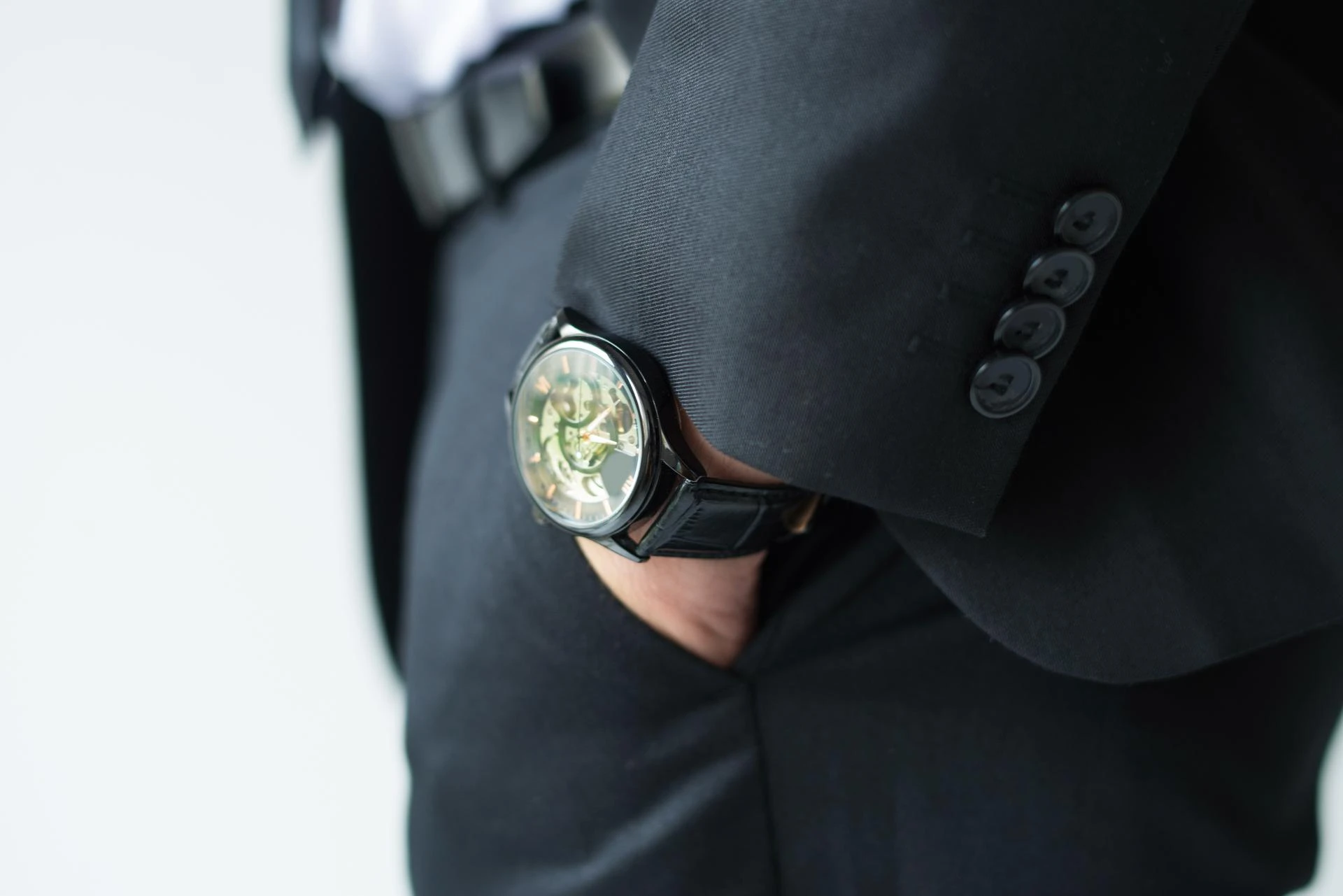
Fashion is defined by change. Trends evolve, silhouettes shift, and styling philosophies continuously transform. What feels modern today may feel outdated tomorrow. Yet amid this constant reinvention, certain elements retain their relevance across decades. Luxury watches represent one of the rare accessories that move effortlessly through fashion eras, a phenomenon that continues to fuel the steady growth of the Luxury watch market.
Unlike clothing trends that often cycle rapidly, watches possess an unusual ability to adapt without losing identity. They do not simply follow fashion, they transcend it.
Fashion Trends vs Timeless Design
Most fashion categories operate within seasonal cycles. Colors, fabrics, and cuts frequently respond to cultural influences. Watches, however, are built around enduring design principles.
Proportion, balance, legibility, and craftsmanship remain central regardless of shifting aesthetics.
This foundation creates longevity.
The Stability Advantage
Luxury watches offer stability in a trend-driven world. While wardrobes evolve, a well-chosen timepiece remains visually compatible across stylistic shifts.
This consistency transforms watches into long-term style companions rather than temporary fashion pieces.
Adaptability Without Reinvention
One reason watches survive fashion transitions is their subtle evolution. Instead of radical redesigns, watchmakers introduce measured refinements:
- Dial variations
- Material updates
- Finishing enhancements
- Case proportion adjustments
- Strap innovations
These changes modernize without disrupting timeless appeal.
Why Watches Complement Both Classic and Modern Styles
Luxury watches integrate seamlessly into diverse aesthetics:
Classic Fashion
Traditional tailoring and elegant silhouettes pair naturally with refined timepieces.
Contemporary Minimalism
Clean designs align with modern restrained styling.
Bold & Experimental Looks
Statement watches amplify expressive outfits.
Even when exploring listings like panerai watches for sale, buyers frequently consider versatility, how the watch transitions across evolving wardrobe choices.
Functionality Preserves Relevance
Unlike purely decorative accessories, watches maintain functional value. Their utility protects them from becoming stylistically obsolete.
A watch always serves a purpose, reinforcing its place within fashion contexts.
Material Neutrality and Visual Balance
Luxury watches often feature materials that resist trend dependency:
- Stainless steel
- Gold
- Titanium
- Leather
- Ceramic
These materials integrate naturally with changing fashion palettes.
Micro Statements Instead of Trend Signals
Watches rarely act as trend indicators. Instead, they operate as micro-statements, subtle expressions of taste that enhance outfits without defining them.
This neutrality preserves flexibility.
Psychological Longevity of Watches
Fashion psychology favors items that retain emotional relevance. Watches often become associated with milestones, routines, and personal identity.
This emotional attachment extends beyond fashion cycles.
Generational Continuity
Few fashion items maintain cross-generational appeal. Watches frequently pass between generations, retaining both functional and aesthetic value.
This continuity reinforces their timeless status.
Why the Luxury Watch Market Thrives Across Trends
The Luxury watch market remains resilient precisely because watches resist rapid obsolescence. Their blend of craftsmanship, function, and adaptable design shields them from the volatility of fashion cycles.
They remain consistently desirable.
Conclusion
Luxury watches work with every fashion era because they are built on timeless design principles rather than temporary trends. Their stability, adaptability, and functional relevance allow them to transition effortlessly through changing aesthetics. As fashion continues evolving, watches remain among the most reliable and enduring style investments within the expanding Luxury watch market.
True style is not defined by trends, but by permanence.