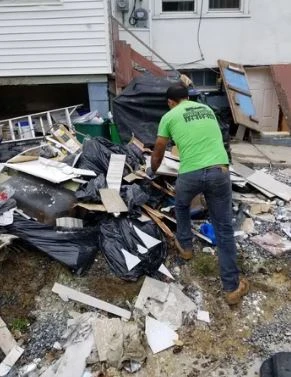
Storms are nature’s way of reminding us how powerful and unpredictable the weather can be. In the aftermath of heavy wind, rain, or even snow, homeowners often step outside to find their yards blanketed with fallen branches, leaves, and other debris. While this may seem like a minor nuisance, the reality is that storm debris can create significant problems for your lawn, home, and local environment.
Whether it's broken tree limbs scattered across your yard or organic clutter clogging drainage systems, browsing for “lawn debris removal near me” is a crucial step toward restoring safety, promoting plant health, and preventing further damage. Ignoring the mess can lead to long-term issues that impact both property value and ecosystem health.
In fact, research conducted by environmental landscaping experts has shown that timely debris removal helps reduce pest infestations and soil erosion while improving stormwater management. With that in mind, let's explore why lawn debris removal after a storm is not just important, but essential.
The Hidden Dangers of Post-Storm Lawn Debris:
Storm debris may look harmless, but it can pose multiple risks if left unattended. Fallen limbs, scattered leaves, and uprooted plants create more than just visual clutter, they can compromise the safety and health of your lawn and household.
1. Safety Hazards
Loose branches and large pieces of debris can be dangerous. They may obstruct walkways, driveways, or access points, increasing the risk of trips and falls. Sharp sticks or splintered wood can cause injuries, especially to children or pets playing outside. Immediate removal reduces the risk of accidents and injuries.
2. Fire Risks
Dry organic matter such as twigs, branches, and dried leaves can become a fire hazard, particularly in dry seasons following a storm. If left unmanaged, this debris can serve as fuel for wildfires or house fires, especially when located close to structures.
3. Pest Infestation
Organic storm debris provides an ideal habitat for pests such as rodents, termites, and insects. Piles of wet leaves and fallen limbs can harbor moisture and shelter, attracting unwanted pests that may migrate toward your home. Regular cleanup minimizes these opportunities and promotes a healthier outdoor environment.
Impact on Lawn Health and Landscaping
1. Suffocation of Grass and Plants
When layers of debris sit on your lawn, they block sunlight, oxygen, and water from reaching the soil and grass beneath. This leads to yellowing, thinning, and eventually, the death of turf and plants. Quick debris removal helps preserve the health of your landscape and supports regrowth.
2. Soil Compaction and Erosion
Heavy debris left on saturated soil after a storm can cause compaction, making it difficult for roots to grow and absorb nutrients. Additionally, blocked drainage can increase surface runoff, leading to erosion. This disrupts the natural balance of your lawn and can damage your landscaping infrastructure.
3. Fungal Growth and Disease
Storms leave behind a wet environment that encourages mold, mildew, and fungal diseases, especially when organic debris remains in place. These diseases can spread quickly through your lawn, affecting both grass and ornamental plants. Removing the debris promptly helps maintain a clean and disease-resistant yard.
Stormwater Drainage and Environmental Concerns
Blocked storm drains and water pathways can lead to localized flooding. Lawn debris, especially when it clogs these systems, contributes to water pooling and erosion. When organic matter breaks down in these water systems, it may also contribute to nutrient pollution, harming nearby water bodies and aquatic life.
Proper disposal through professional lawn debris removal services ensures that waste is managed responsibly. Many of these services follow environmentally sound practices, including composting and recycling, reducing the burden on landfills, and supporting sustainable practices.
The Role of Professionals in Lawn Debris Removal
While homeowners may be tempted to handle cleanup themselves, post-storm debris can often be more extensive than expected. Hiring your nearby experts for lawn debris removal ensures that all hazards are identified and removed safely. Professionals are trained to:
● Identify hidden hazards, such as hanging branches
● Remove debris without damaging the landscape
● Handle and dispose of organic material in an eco-friendly way
● Restore your lawn to pre-storm condition quickly and efficiently
They also come equipped with the right tools and safety gear, saving you time, effort, and potential injury.
Preventive Measures for Future Storms
Being proactive can reduce the amount of damage your lawn suffers in future storms. Consider:
● Pruning trees and removing dead branches regularly
● Securing loose objects in your yard
● Keeping drainage systems and gutters clean
● Investing in protective landscaping design elements such as berms or swales
Incorporating these strategies into your landscape maintenance plan can significantly lower the need for large-scale debris cleanup in the future.
When Should You Schedule Lawn Debris Removal?
Timing is critical when dealing with storm debris. The sooner you schedule lawn debris removal, the better the outcomes for your landscape and home. Ideally, removal should occur within 24–72 hours after the storm clears to avoid long-term damage, pest infestation, or disease spread.
Regular seasonal maintenance can also help your yard recover faster and maintain year-round health, even after mild weather events.
Summing up!
Storms may be inevitable, but the damage they leave behind doesn’t have to be. Prioritizing timely and effective lawn debris removal safeguards your property, protects your family, and restores your landscape’s natural beauty. It also supports a healthier environment by preventing runoff pollution and reducing fire risk.
Taking action after a storm isn’t just about appearances, it’s a critical investment in safety, sustainability, and the longevity of your outdoor space. Whether you manage it yourself or rely on trusted professionals offering lawn debris removal near you, ensuring your lawn is free from debris will set the stage for quicker recovery and long-term health.
Want to keep your lawn storm-ready year-round? Make debris removal part of your routine landscape care; it’s not just cleanup, it’s protection.