
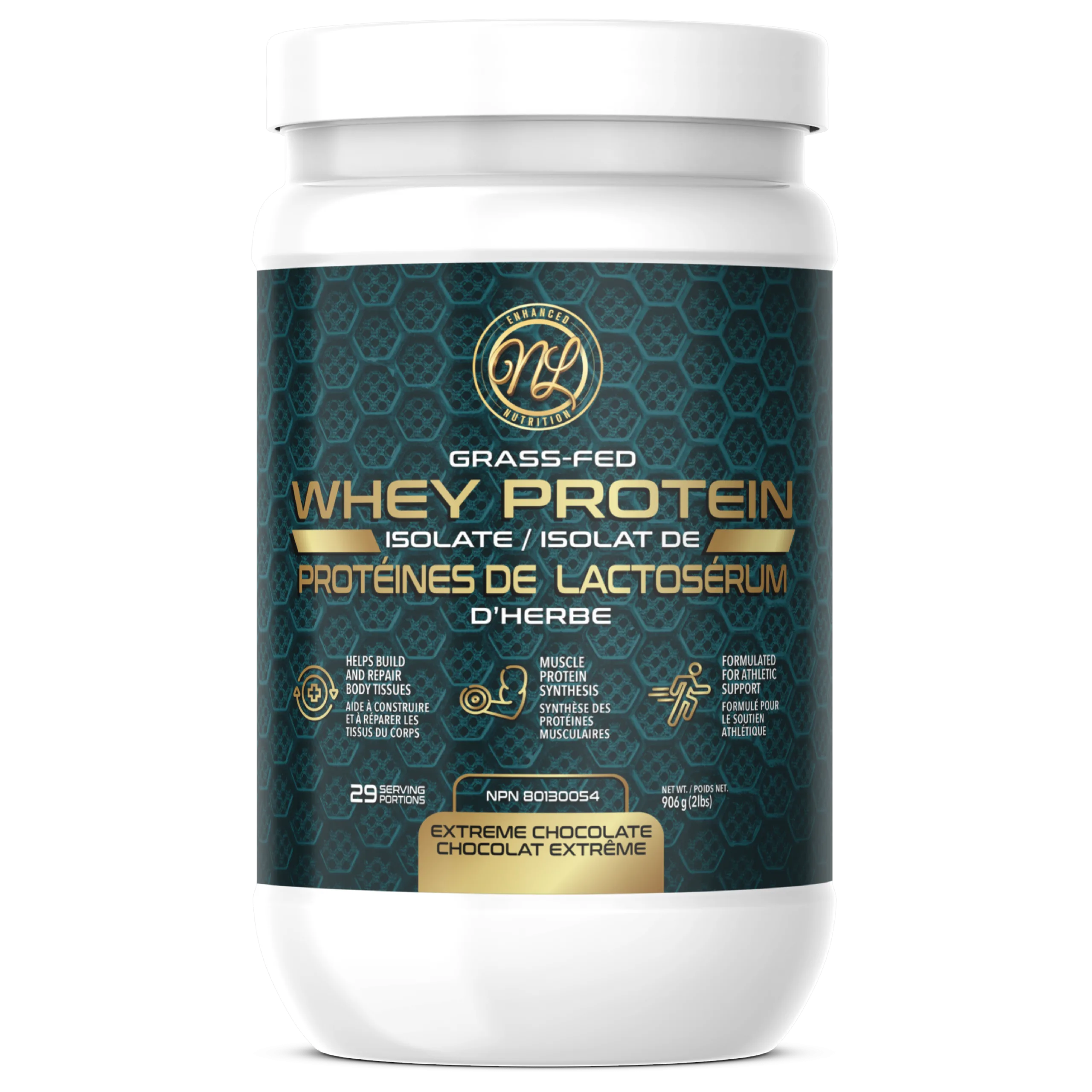
There is a particular kind of gym-goer who has quietly given up on protein shakes. They bought a tub, used it for a fortnight, spent most of that fortnight uncomfortable, and concluded that protein powder simply does not agree with them. Many never try again, which is a shame, because the problem is often narrower than they assume.
For a lot of these people, the issue is not whey itself but what comes alongside it. That distinction is what drives so many of them toward whey protein isolate Canada retailers stock, once somebody explains the difference between the two main forms of whey sitting on the same shelf.
What Lactose Actually Has to Do With Protein Powder
Whey comes from milk, and milk contains lactose. How much lactose ends up in the finished powder depends entirely on how heavily that whey has been processed, which is the single most important variable in this conversation and the one least likely to be explained on the packaging.
Concentrate undergoes less filtering, which means more of the original milk components remain, including a larger share of the lactose. Isolate goes through additional filtering that removes a greater proportion of fat and lactose while raising the protein percentage per scoop.
That processing difference is why two whey products can affect the same person very differently. Someone who reacted badly to one product and assumed all protein powder was off the table may simply have tried the wrong form first. Anyone shopping the best whey protein Canada market without knowing this distinction is essentially guessing.
Sensitivity Is Not the Same as Allergy
This distinction matters and gets blurred constantly in gym conversations. Lactose intolerance and a milk protein allergy are different things with different causes, and they require different approaches. Conflating them leads people toward the wrong product entirely.
Anyone who suspects a milk allergy, or who experiences symptoms beyond mild digestive discomfort, should speak with a doctor or a qualified healthcare practitioner rather than self-diagnosing from an article. Switching products is not an appropriate response to an allergy, and no supplement label can substitute for a medical assessment.
Why Lifters Make the Switch Specifically
Protein powder is a daily habit for most people who train seriously, which changes the calculation entirely. An occasional uncomfortable afternoon is tolerable. Daily discomfort attached to something you consume every single day is not, and it tends to end the habit quickly.
There is also a training-specific element. Discomfort during or immediately after a session interferes with the session itself, and nobody trains well while distracted. That combination, daily use plus proximity to training, is why lifters notice the problem faster and act on it sooner than casual users.
Reasons the switch happens more often among regular trainees:
- Daily frequency, which turns a minor issue into a persistent one.
- Proximity to training, where discomfort directly affects session quality.
- Higher total intake, since more servings means more of whatever is causing the problem.
- Multiple servings per day in some routines, compounding the effect.
- Shakes taken on an empty stomach, particularly for people training fasted in the morning.
- Long-term use, where a product has to work for months rather than days.
The Pattern People Usually Notice
The typical experience follows a recognisable shape. Someone buys an affordable tub, uses it consistently, feels unwell within an hour or two of most servings, and initially blames training intensity or something they ate. The connection to the powder takes weeks to establish.
Once the pattern becomes obvious, the usual response is to stop entirely rather than to investigate. That is the moment where understanding the concentrate and isolate distinction changes the outcome, because it reframes the problem as a product choice rather than a permanent incompatibility.
What to Look for on the Label
The practical question is how to identify a genuinely lower-lactose option, and labels vary enormously in how clearly they communicate this. Some state the protein source plainly. Others describe a blend without specifying proportions, which makes assessment impossible.
Blends are the most common trap here. A product marketed as an isolate may contain a mixture of isolate and concentrate, and unless the proportions are disclosed, you cannot tell which dominates. That ambiguity defeats the entire purpose of switching in the first place.
Check these before buying:
- The protein source stated explicitly as isolate, concentrate, or a specified blend.
- Blend proportions disclosed, rather than a combined ingredient listing.
- Protein grams per serving alongside the total serving size.
- A Health Canada NPN on the label or product page.
- Non-medicinal ingredients, including sweeteners that can cause their own issues.
- Full allergen information printed clearly on the packaging.
This is exactly where label disclosure stops being a nicety and becomes the deciding factor. I Am Next Level publishes protein source, grams per serving, full ingredient listings, and Health Canada licensing openly across its range, which lets buyers with digestive sensitivities check a product properly instead of discovering the answer after purchase. For this group of customers, that transparency is the entire shopping decision.
Sweeteners Are the Other Common Culprit
Lactose is not always the problem, and assuming it is leads some people to switch forms without any improvement. Certain sweeteners, particularly some sugar alcohols, cause digestive discomfort in sensitive individuals independently of anything to do with milk.
This is why the non-medicinal ingredients list deserves the same attention as the protein source. Someone comparing the whey protein isolate Canada market should read both halves of the panel, since switching to isolate while keeping the same problematic sweetener will not resolve anything.
Testing a New Product Sensibly
Switching products is worth doing methodically rather than enthusiastically. Buying the largest available tub of something untested is how people end up with four kilograms of powder they cannot use, which is an expensive way to run an experiment.
Start with the smallest size available. Try a single serving on a day you are not training, so any reaction is easier to attribute. Keep everything else in your routine constant for the first week, because changing several variables at once tells you nothing about which one mattered.
When to Stop Experimenting and Ask
Self-directed product testing has a clear limit. If symptoms persist across multiple products, are severe, or extend beyond mild digestive discomfort, the appropriate next step is a healthcare practitioner rather than another tub.
A doctor or registered dietitian can assess whether something other than lactose is involved and give advice specific to your situation. Anyone with an existing condition, taking prescription medication, pregnant, or breastfeeding should have that conversation before changing supplements at all. Those weighing the best whey protein Canada options under any medical guidance should follow that advice over anything a label suggests.
FAQs
Does whey protein isolate contain no lactose at all?
Isolate undergoes additional filtering that removes a greater proportion of lactose than concentrate, but amounts vary between products. Check the label of the specific product you are considering rather than assuming all isolates are identical.
How do I know whether lactose is my problem?
You often cannot determine this alone. Persistent or severe symptoms warrant a conversation with a doctor or registered dietitian, who can assess the cause properly rather than leaving you to guess through trial and error.
Why do some isolated products still bother me?
Several possibilities exist, including a blend containing undisclosed concentrate, a sweetener you react to, or a cause unrelated to the product. Reading the full ingredient list and speaking with a practitioner both help.
Browse whey protein isolate at I Am Next Level, where full ingredient lists appear on every product page. Sensitive stomach? Visit us, and we will help you compare options properly.