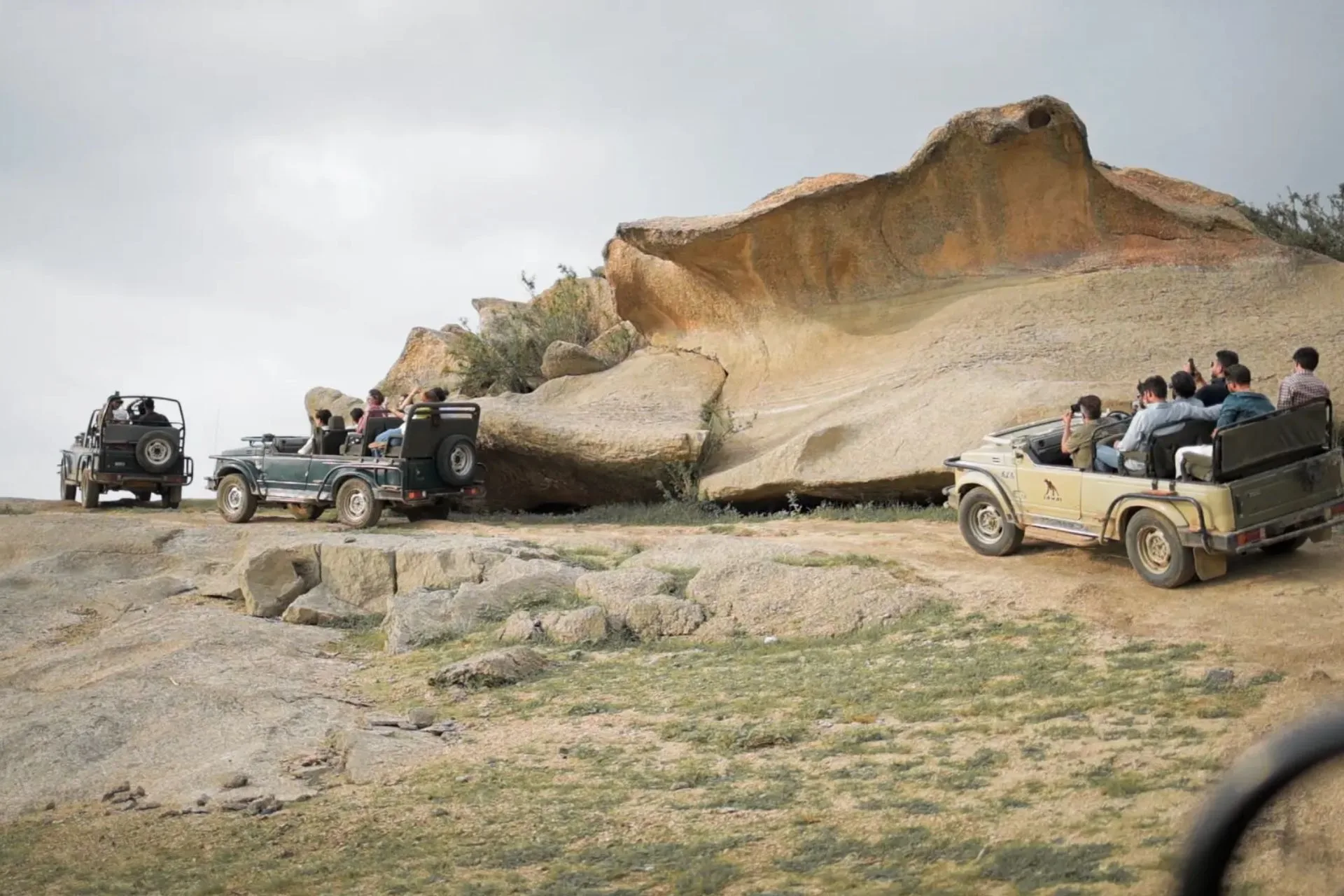
When travelers picture Rajasthan, their minds often drift toward the opulent palaces of Jaipur or the golden sand dunes of Jaisalmer. Yet tucked between Udaipur and Jodhpur lies an extraordinary landscape where ancient granite boulders rise dramatically from the earth, surrounding a vast water reservoir built by royalty. This is Jawai—a land defined not by artificial boundaries or fenced sanctuaries, but by a timeless, living ethos.
For wildlife enthusiasts and cultural travelers alike, Jawai represents the absolute pinnacle of eco-tourism in India. It is a rare sanctuary where wild big cats roam free across billion-year-old rock formations, coexisting harmoniously alongside red-turbaned pastoralists who have called these hills home for generations. If you are looking for an authentic escape that seamlessly blends wildlife thrills with deep-rooted heritage, here is why Jawai stands out as Rajasthan’s ultimate cultural and safari destination.
1. Unmatched Wildlife Encounters: Unfenced and Unfiltered
Unlike national parks like Ranthambore or Sariska, where wildlife tracking is restricted within fenced corridors, Jawai operates as an open ecosystem. The local leopards do not live inside a closed reserve; they move freely through the granite hills, village edges, and natural rock shelters connecting Bera, Sena, and Varawal.
This open terrain translates into unprecedented wildlife viewing opportunities. Because the landscape consists of stark, bare granite outcrops rather than dense jungles, spotting these elusive predators basking on sunny ledges or descending hill slopes at dusk is exceptionally rewarding. When planning a leapard safari Jawai, guests embark on open 4x4 Jeep drives guided by local trackers who understand the terrain intimately. Beyond leopards, the surrounding scrubland and Jawai Dam host striped hyenas, nilgai, jungle cats, sloth bears, and massive mugger crocodiles sunbathing along the water's edge.
2. A Living Model of Coexistence: The Rabari Community
What truly sets Jawai apart from every other safari destination in Asia is its extraordinary human-animal relationship. For centuries, the Rabari tribe—indigenous nomadic herders known for their crimson turbans, crisp white attire, and silver ornaments—has lived side-by-side with wild leopards.
In local Rabari belief, leopards are not dangerous pests or threats to be feared; they are regarded as sacred companions under the spiritual protection of Lord Shiva and local cliffside deities. It is a breathtaking sight to see Rabari shepherds casually tending their livestock at the foot of a hill while a wild leopard sits calmly on a granite cliff above. This mutual respect has created one of the world's most successful examples of natural conservation, offering visitors a profound cultural lesson in living peacefully alongside wilderness.
3. Spectacular Biodiversity at the Jawai Dam
Constructed in the mid-20th century across the Jawai River by Maharaja Umaid Singh of Jodhpur, the Jawai Bandh is the largest dam in western Rajasthan. Today, this massive body of water forms the ecological backbone of the region.
During the winter months (from October to March), the dam transforms into a migratory bird haven. Thousands of flamingos, bar-headed geese, white pelicans, cranes, and eagles arrive, creating a mesmerizing spectacle for birdwatchers and photographers. Evening safaris near the dam offer sweeping sunset views where the sky reflects brilliant shades of gold and orange over the water, framed by ancient rock pillars.
4. Tailored Comfort Meets Raw Wilderness
Experiencing raw nature does not mean sacrificing modern luxury. Modern travelers to Jawai can indulge in refined hospitality tucked away in private wilderness settings. Choosing a premium leopard safari resort in Jawai allows guests to return from thrilling jeep tracks to tranquil accommodations designed around ecological sustainability and local Rajasthani architecture.
Whether taking in panoramic views of the granite landscape from a private deck, enjoying traditional farm-to-table cuisine prepared with indigenous spices, or relaxing under star-filled skies far removed from city lights, booking a luxury stay in Jawai ensures a peaceful, rejuvenating sanctuary after a day of exploration.
Key Highlights of the Jawai Experience
- High Spotting Success: Excellent visibility on open granite hills yields some of the highest leopard sighting rates in India.
- Authentic Cultural Immersion: Guided village walks offer respectful, direct interactions with Rabari elders, local artisans, and traditional herders.
- Year-Round Appeal: While winter is ideal for migratory birds, the dry summer months draw big cats down toward water holes for dramatic sightings.
- Serene Exclusivity: Far less crowded than major national parks, Jawai delivers an intimate, non-commercialized safari environment.
Essential Travel Tips for Your Journey
- Best Time to Visit: October through April offers comfortable temperatures for morning and afternoon safaris, as well as prime birdwatching.
- Getting There: Conveniently located by road, Jawai is roughly 2.5 hours from Udaipur, 3 hours from Jodhpur, and easily reachable from Ahmedabad.
- Safari Etiquette: Always maintain a quiet demeanor, listen closely to your local guides, and respect village customs when walking through Rabari settlements.
By honoring both its wild inhabitants and its traditional guardians, Jawai offers far more than a standard vacation—it presents a transformative journey into the heart of Rajasthan's natural and cultural heritage.