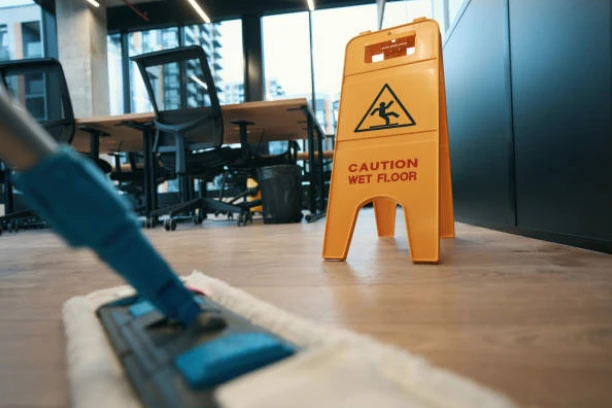
In the modern corporate landscape, where brand perception, employee productivity, and operational efficiency are deeply interconnected, the condition of a business’s physical environment carries significant strategic weight. Janitorial Cleaning is no longer a background function relegated to after-hours routines; it is a foundational pillar of professional excellence and organizational sustainability. Across industries, from corporate offices and healthcare facilities to retail spaces and industrial sites, maintaining a pristine environment has become an essential business imperative rather than a discretionary expense.
The Business Environment as a Strategic Asset
Every business operates within a physical space that silently communicates values, standards, and priorities. Cleanliness is often the first sensory impression experienced by clients, partners, and employees alike. Floors, restrooms, workstations, and shared areas collectively signal whether an organization is meticulous, reliable, and professional.
Janitorial Cleaning ensures that this environment consistently reflects operational discipline and corporate integrity. Dust-free surfaces, sanitized facilities, and orderly common areas create a setting that supports focus, collaboration, and trust. In competitive markets, such subtle cues can influence decision-making more profoundly than many organizations realize.
Health, Hygiene, and Workforce Well-Being
One of the most compelling reasons businesses invest in professional cleaning services is the direct connection between cleanliness and health. Workplaces are shared ecosystems where bacteria, viruses, and allergens can easily circulate. Without systematic sanitation protocols, these invisible threats can compromise employee well-being and disrupt operations.
Regular, professional-grade cleaning reduces the presence of pathogens on high-touch surfaces such as door handles, keyboards, elevators, and restrooms. This proactive approach minimizes the spread of illness, leading to fewer sick days and more consistent productivity. In sectors where health standards are especially critical—such as healthcare, education, and food services—the role of Janitorial Cleaning becomes even more vital, serving as a frontline defense against contamination.
Beyond physical health, a clean workspace also supports mental well-being. Employees are more likely to feel valued and motivated when their environment is orderly and hygienic. Cluttered or neglected spaces, by contrast, can contribute to stress, distraction, and disengagement.
Productivity and Operational Efficiency
The relationship between cleanliness and productivity is both direct and measurable. A well-maintained environment reduces distractions, improves concentration, and allows employees to focus on their core responsibilities without unnecessary interruptions. Clean floors prevent slips and falls, organized spaces reduce time wasted searching for materials, and sanitized equipment ensures uninterrupted workflows.
Professional cleaning providers bring structured processes, trained personnel, and specialized equipment that surpass the capabilities of ad hoc or in-house efforts. By outsourcing this function to experts such as THH Clean, businesses free internal resources and management attention, allowing leadership to concentrate on strategic priorities rather than facility upkeep.
Over time, this operational efficiency translates into tangible performance gains. Employees work more effectively, assets last longer due to proper maintenance, and the overall organization operates with greater precision.
Brand Image and Client Perception
In an era of heightened consumer awareness and social transparency, brand reputation is shaped not only by products and services but also by the environments in which business is conducted. Clients visiting an office, showroom, or commercial facility subconsciously assess cleanliness as a proxy for quality and professionalism.
A spotless reception area, well-maintained restrooms, and immaculate meeting spaces reinforce confidence and credibility. Conversely, visible neglect can undermine trust, regardless of how strong the underlying offering may be. Janitorial Cleaning thus functions as an extension of brand management, ensuring that physical spaces consistently align with corporate messaging and values.
For customer-facing businesses, this alignment is particularly critical. Retail stores, hospitality venues, and service centers rely heavily on ambiance and comfort to influence customer satisfaction and loyalty. Professional cleaning ensures that these environments remain inviting and safe, encouraging repeat visits and positive word-of-mouth.
Compliance, Safety, and Risk Management
Regulatory compliance is another key driver behind professional cleaning services. Many industries are subject to strict health, safety, and sanitation standards enforced by local and international authorities. Failure to meet these requirements can result in fines, legal exposure, or even forced closures.
A structured cleaning program helps businesses maintain compliance with occupational health regulations, fire safety codes, and industry-specific guidelines. Proper waste disposal, floor maintenance, and sanitation protocols reduce the risk of accidents and liability claims. In this context, Janitorial Cleaning is not merely a maintenance function but a critical component of risk management and corporate governance.
Organizations that partner with experienced providers such as THH Clean benefit from standardized procedures, documented processes, and an understanding of regulatory expectations. This professional oversight adds a layer of assurance that internal teams often struggle to replicate.
Cost Control and Long-Term Value
While some organizations view cleaning services as a cost center, a more sophisticated analysis reveals their role in long-term financial optimization. Regular maintenance preserves the condition of floors, carpets, furniture, and fixtures, delaying the need for costly repairs or replacements. Clean HVAC systems and workspaces also contribute to better air quality, reducing wear on equipment and infrastructure.
Moreover, by reducing employee absenteeism and turnover associated with unhealthy or unpleasant environments, professional cleaning indirectly lowers recruitment and training costs. When evaluated holistically, Janitorial Cleaning delivers a strong return on investment by protecting assets, enhancing productivity, and supporting workforce stability.
Engaging a reputable provider such as THH Clean allows businesses to access scalable services tailored to their size, industry, and operating hours. This flexibility ensures cost efficiency while maintaining consistently high standards.
Sustainability and Corporate Responsibility
Modern businesses are increasingly accountable for their environmental impact and social responsibility. Professional cleaning services have evolved to support these priorities through eco-friendly products, water-efficient processes, and responsible waste management.
Sustainable cleaning practices reduce chemical exposure, lower environmental footprints, and align with broader corporate ESG goals. Employees and clients alike are more inclined to support organizations that demonstrate environmental stewardship through tangible actions, including responsible facility management.
By integrating sustainability into Janitorial Cleaning programs, businesses reinforce their commitment to ethical operations while maintaining exceptional hygiene standards. Providers like THH Clean often incorporate green cleaning methodologies that balance effectiveness with environmental sensitivity.
Customization and Industry-Specific Expertise
No two businesses are identical, and cleaning requirements vary significantly across sectors. A corporate office prioritizes workstation hygiene and meeting spaces, while a manufacturing facility focuses on safety, debris control, and equipment cleanliness. Healthcare environments demand rigorous disinfection protocols, whereas retail spaces emphasize visual appeal and customer comfort.
Professional cleaning services offer customized solutions designed around these unique needs. Through site assessments, scheduling flexibility, and specialized training, providers ensure that cleaning programs align precisely with operational realities. This level of customization elevates Janitorial Cleaning from a generic service to a strategic partnership.
Organizations that collaborate with experienced firms such as THH Clean gain access to industry knowledge and best practices refined through diverse engagements. This expertise ensures consistent results regardless of complexity or scale.
The Competitive Advantage of Cleanliness
In highly competitive markets, differentiation often lies in details that competitors overlook. Cleanliness is one such detail, quietly shaping perceptions and experiences every day. Businesses that invest in professional cleaning signal discipline, respect, and long-term thinking—qualities that resonate with employees, clients, and stakeholders alike.
As hybrid work models, shared spaces, and heightened health awareness redefine the workplace, the importance of Janitorial Cleaning continues to grow. It supports resilience, adaptability, and confidence in an uncertain business environment.
Conclusion
Janitorial Cleaning is far more than a routine operational task; it is a strategic investment in health, productivity, brand equity, and risk management. By maintaining clean, safe, and professional environments, businesses lay the groundwork for sustainable success and organizational excellence.
Through expert providers such as THH Clean, organizations can transform cleanliness into a competitive advantage—one that protects assets, empowers employees, reassures clients, and reinforces corporate values. In a world where every detail matters, a commitment to professional cleaning is not optional; it is essential for every business seeking long-term growth and credibility.