
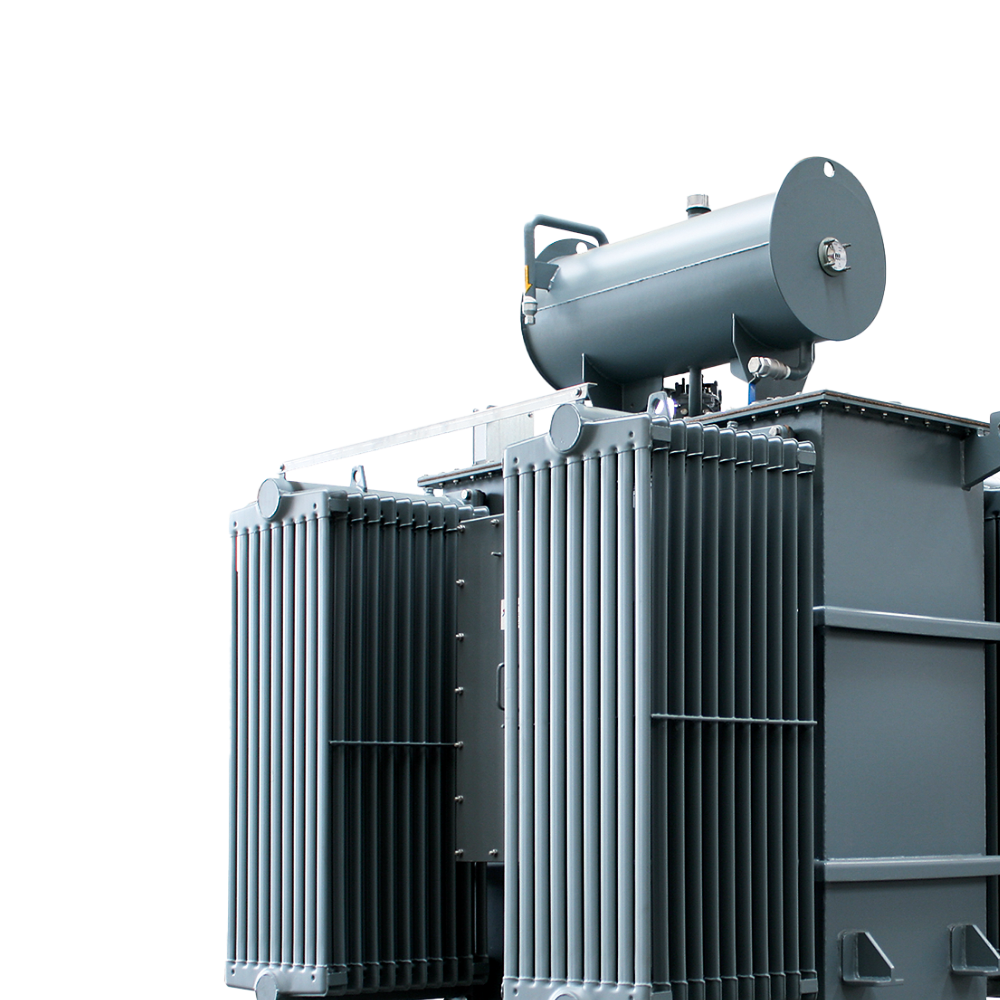
Voltage regulation plays a crucial role in ensuring the stability and efficiency of modern power distribution networks. In the UK, utilities and industrial users heavily rely on devices like step up transformer step down transformer UK to manage voltage fluctuations and maintain consistent power supply across residential, commercial, and industrial sectors. Without proper voltage regulation, sensitive electronic equipment could be damaged, energy losses could increase, and the overall reliability of the grid could be compromised. This makes understanding the importance of voltage regulation essential for both consumers and energy professionals.
Understanding Voltage Regulation
Staying on top of voltage levels matters when delivering electricity reliably. From power plants to homes, energy moves across long distances using high-pressure lines at first. Then it slows down through local grids where pressure can dip or spike unexpectedly. Shifts happen whenever people turn devices on or off throughout the day. Even small imbalances might harm machines if left unchecked. Watching the flow closely helps spot trouble before it spreads. Operators tweak settings in real time based on what they see happening. This keeps everything running smoothly without sudden jolts or dips. Consistency protects gear and supports steady operation behind the scenes. Tools that track changes play a key role in maintaining balance across the system.
Transformers and How They Help Control Voltage
Electricity needs careful handling as it moves across distances. Rising voltage happens through one kind of device before travel begins. Another type lowers it again once near people who need it. Shifting levels like this cuts waste along the way. Houses get what they can safely use because of these shifts. Big machines in industrial spots sometimes strain local lines. When pressure dips too low, work slows or stops. A smart setup with both high and low adjusting units keeps flow steady. Places such as factories in the UK rely on this balance to run without hiccups.
Maintaining Correct Voltage Levels
Keeping voltage steady brings gains - not just for providers but also for those using electricity. When levels stay right, devices and machines avoid harm that comes from too much or too little power. This kind of control cuts down wasted energy across lines; left unchecked, those losses add up fast. Power works better when voltage is smooth, meaning fewer blackouts plus happier users. On top of that, consistency helps solar and wind connect more easily since their output shifts with weather changes.
Common Challenges in Voltage Regulation
Keeping voltage steady isn’t always straightforward. When loads shift constantly, the grid must adapt - yet changes in demand happen nonstop. Faults pop up now and then, rattling system balance. Big cities burn through power fast, so heavy use all at once tugs voltage one way or another. Wires spanning far distances lose some push along the way - their own resistance chips away steadily. Facing these issues means updating systems, positioning transformers with care, while watching performance live. Across the UK, power providers now lean on smarter grids that sense shifts in voltage before problems grow.
Simple Ways to Handle Voltage Better
Keeping voltage under control depends heavily on tools that work well alongside smart routines. Transformers need frequent checkups by utility teams so they keep running without waste. Capacitor banks show up in some spots, regulators appear nearby - together these smooth out uneven pressure in lines. For companies using delicate machines, protection means plugging into surge blockers or backup power units when spikes sneak through. When people learn when power is used most, they tend to shift habits. This small change eases pressure on the grid during busy hours. Using less at key moments adds up across homes and businesses. Over time, that balance helps keep lights on reliably. Simple choices today shape how well systems run tomorrow.
Innovations That Help Control Voltage
Power lines today rely more on tech to keep voltage steady. Instead of waiting, smart devices tweak supply the moment usage shifts. By studying patterns, these tools spot dips ahead of time - fixing them before anyone notices. When wind or sun power feed into the grid, their uneven flow needs careful balancing. Newer transformers handle this better thanks to smarter materials and tighter builds. Utilities gain stability; people get fewer glitches. Hidden upgrades inside equipment make a difference most never see.
Economic and Environmental Effects
Getting voltage right saves money, plus it helps the planet. When power flows smoothly, less energy vanishes during delivery - so companies spend less, households pay less. Less waste means fewer power plants running full tilt, cutting down on pollution that warms the climate. Research shows saving just 1% through smarter voltage handling adds up fast, proving updates to grids and better transformers matter more than they seem. Progress here quietly backs national aims to shift toward cleaner energy use.
Choosing Reliable Transformer Suppliers
Selecting the right transformer suppliers is key to maintaining voltage stability. Reputable UK transformer suppliers offer products that meet rigorous safety and performance standards, ensuring long-term reliability. Whether for urban networks or industrial facilities, high-quality transformers reduce the risk of voltage instability and associated equipment failures. Collaborating with experienced suppliers also provides access to technical support, installation guidance, and maintenance services, which are crucial for sustaining an efficient power distribution network over time. Investing in reliable equipment and expert guidance helps utilities optimize performance while mitigating risks.
Conclusion: Ensuring a Stable Power Network
Voltage regulation remains a cornerstone of modern power distribution networks, influencing everything from operational efficiency to environmental sustainability. Proper use of step up transformer step down transformer UK, combined with smart monitoring and maintenance practices, ensures that electricity is delivered reliably and safely. For businesses and utilities looking to maintain high performance, partnering with trusted power transformer manufacturers and UK transformer suppliers ensures access to the latest technology and support, ultimately strengthening the resilience of the entire electricity network. By prioritizing voltage stability, the UK can continue to expand its energy infrastructure while meeting growing demand responsibly.
FAQs
What is the main purpose of voltage regulation?
Voltage regulation maintains a stable voltage level in power networks, protecting equipment and ensuring efficient energy distribution.
How do step-up and step-down transformers help with voltage regulation?
Step-up transformers increase voltage for long-distance transmission, while step-down transformers reduce voltage to safe levels for consumer use, minimizing losses and stabilizing supply.
Can voltage fluctuations damage electrical equipment?
Yes, both overvoltage and undervoltage can harm appliances, industrial machinery, and sensitive electronics.
What technologies are used for modern voltage regulation?
Smart transformers, automated voltage control systems, and real-time monitoring are commonly used to manage voltage dynamically and predict potential issues.
How can consumers contribute to voltage stability?
Using surge protectors, energy-efficient devices, and spreading electricity usage can reduce network stress and support stable voltage levels.