While people like Aditya Gosh believe in the recovery of tourism in the next 6 months, the world is not ready for the climate change problem. If fuel efficiency, wildlife preservation, greenhouse gas reduction, and proper elimination of industrial wastes, afforestation, and cease of forest fires are not in the longterm environmental policies of governments, then major catastrophes will occur in the future. A smart way to do this by bringing in a large number of international travellers. Through energy-efficient transport systems, eco-friendly accommodations, and environment-friendly green movements, tourism can do magic to the lushness lost surroundings.
To bring back life to lifeless zones, all a place requires is people. People from different time zones, culture, continents, and countries. They create a powerful tourism ecosystem which is a win-win for the economy and environment of a country.
So, why is tourism important?
To Preserve and Celebrate Cultures
Think of this particular cultural trait of serving pork to visitors. A few people originating from some of the Mountains of India have this treasured hospitality. An Assamese family in Northeast India and a Coorgi family in South India will love to treat you with pork, sharing a similar cultural trait. History can be anything but only these types of cultures take out heritage from it; the good portions of history. Even the smiling faces a foreign traveller captures in the hill stations of India has a cultural style attached to it. Such precious people and habits should continue to excite the world. A single backpacker or freelance photographer or travel writer can always share the world about what they experienced in a cosy Coorgi homestay. The hospitality of a country like India is evident starting from mud roads to the kitchens of Indian homes. India’s ideology is simple.
“Aditi Devo Bava” meaning “The Guest is God”
To Support Indigenous Communities
Ever heard of Mawsynram village, regarded as the cleanest village in India? The Maasai tribe of Tanzania and Kenya? Himba of Namibia and Zulu of South Africa? You never know about a beautiful community or their practices in either India or Africa unless you observe them. That is what tourism does. It helps people understand the world by broadening their senses and heightening their humanity. For example, tribal tourism involves interaction with indigenous people. They rely mostly on the arrival of tourists for their wellbeing.
To Commemorate and Protect Art
From Tanjore paintings and dancing dolls, Neolithic paintings of Edakkal Caves, sacred vegetable and natural paintings of Ellora and Ajanta Caves to Andretta Pot making hamlet, India has numerous art and art forms. Every single state in India has a unique dance form and places like the Northeast have unique festivals like Hornbill Festival while Kerala has the adventurous Theyyam. From Mysore Dussehra to Holi celebrated in various styles in North India, Indian artforms make their way through festivals, museums, galleries, art festivals, music, and dance forms. The renowned Cosmic Dance of Lord Shiva is also a dance form comprising of the characteristics of Chathirattam or Bharathanatyam. Artists and creators who travel a country like India are the number reason for the existence of these artforms. They create a great sense of dignity, coupled with economy generation and governmental action. Tourists are always responsible for the life of a portrait, music genre, dance form, martial art, or any art form existing and emerging in the human world.
To Add Life to Languages of the World
If an Indian student chooses Germany, through educational tourism he or she influences the growth of the German language is a great way. Likewise, every conversation with a person speaking a language other than English in a non-native land will keep the hopes of that language alive. For example, Brahui, an endangered language of Pakistan will survive if the government decides to develop heritage tours in the Balochistan region of Pakistan. Languages are often seen as trouble makers, as they give a sense of pride to the one speaking the same with a native person. But societies need to expand by picking up a conversation with different travellers from different parts of the world. Without global intervention with a language, any language won’t stand the test of time. Learn how Tamil became the language of the sea and trade.
To Conserve the Habitat of Wild Animals
From the endangered Red Panda to about-to-be-launched cheetahs in India, Wildlife of India has been put into two categories – National Parks and Wildlife Sanctuaries. Biospheres like Nilgiri have huge potential to revive the lost habitat of various wild animals. For example, a wildlife photographer from a European Nation recording the life of King Cobra in Agumbe to ornithologist birdwatching in the densenes
When will travel start in India?
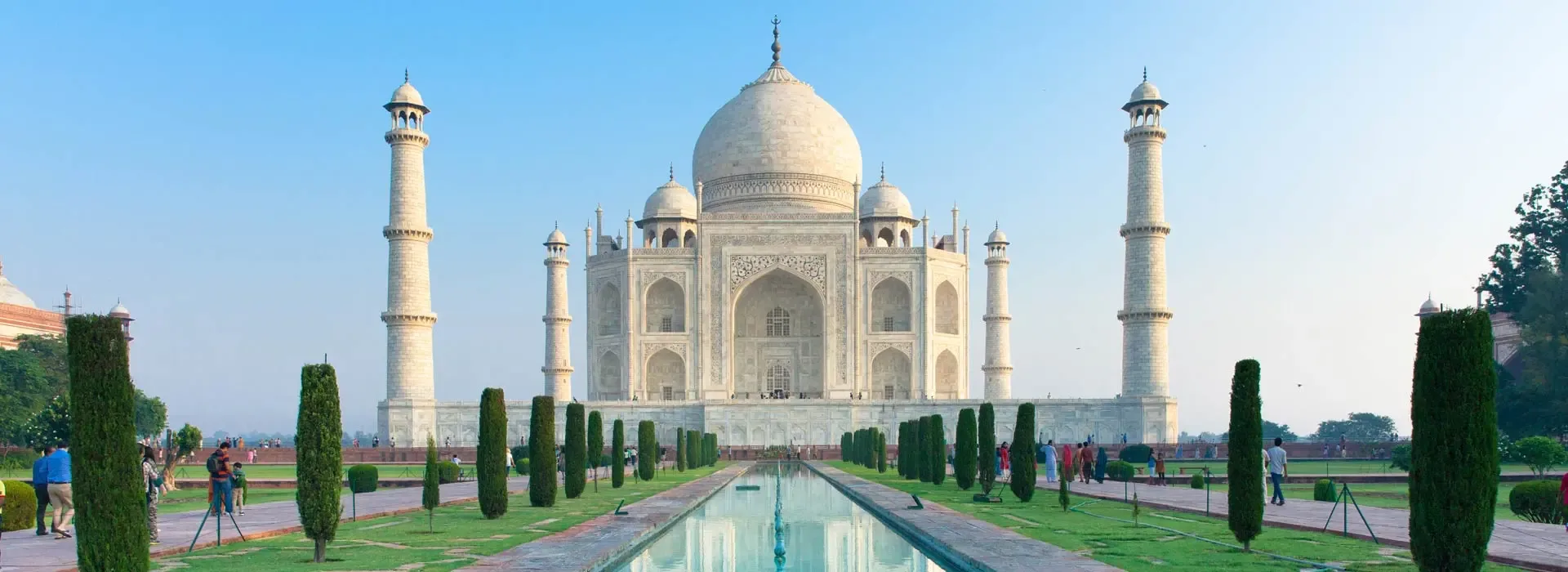
Most of the main tourist attractions are open in India. Kerala is all set to open its godly natural gates from early October. While Goa (Goa Tour Packages) is already sending high hopes of interacting with international travellers within this year. Taj Mahal, the most Googled monument of the world is happy to receive people from September 21st 2020.