In cold-chain logistics, the reefer unit is the last line of defense between a temperature specification and a written-off load. Everything upstream- the precooling, the loading discipline, the routing, the monitoring, depends on refrigeration that does not stop. And refrigeration that does not stop depends on fuel that does not run out.
That makes reefer fuel management a risk control function, not a procurement one. Here is why it deserves that framing.
The failure mode is asymmetric
Most fuel problems are inconvenient. A tractor that runs dry stops moving, gets fueled, and continues. The cost is delay.
A reefer that runs dry is different in kind. The unit shuts down, the temperature inside the trailer begins climbing, and the cargo starts degrading immediately. Depending on the product and the ambient conditions, the window before the load falls out of specification can be short. Unlike a stalled tractor, the damage does not reverse when fuel arrives.
The value at risk is rarely proportionate to the fuel involved. A trailer of produce, packaged food, beverage, or pharmaceutical product can represent a substantial loss, plus contractual penalties for cold-chain failure and the downstream consequences of a rejected delivery. The fuel required to prevent it costs a fraction of that.
This asymmetry is the entire argument. Reefer fuel is cheap insurance on expensive freight, and the operations that treat it as a routine errand are underwriting a risk they have not priced.
Where reefer fuel management typically breaks down
Continuous runtime that ignores business hours. Reefer units run while trailers sit in yards, drop lots, and staging areas overnight and through weekends. Fuel consumption does not pause because the office is closed. Any fueling arrangement that only works during business hours has a structural gap.
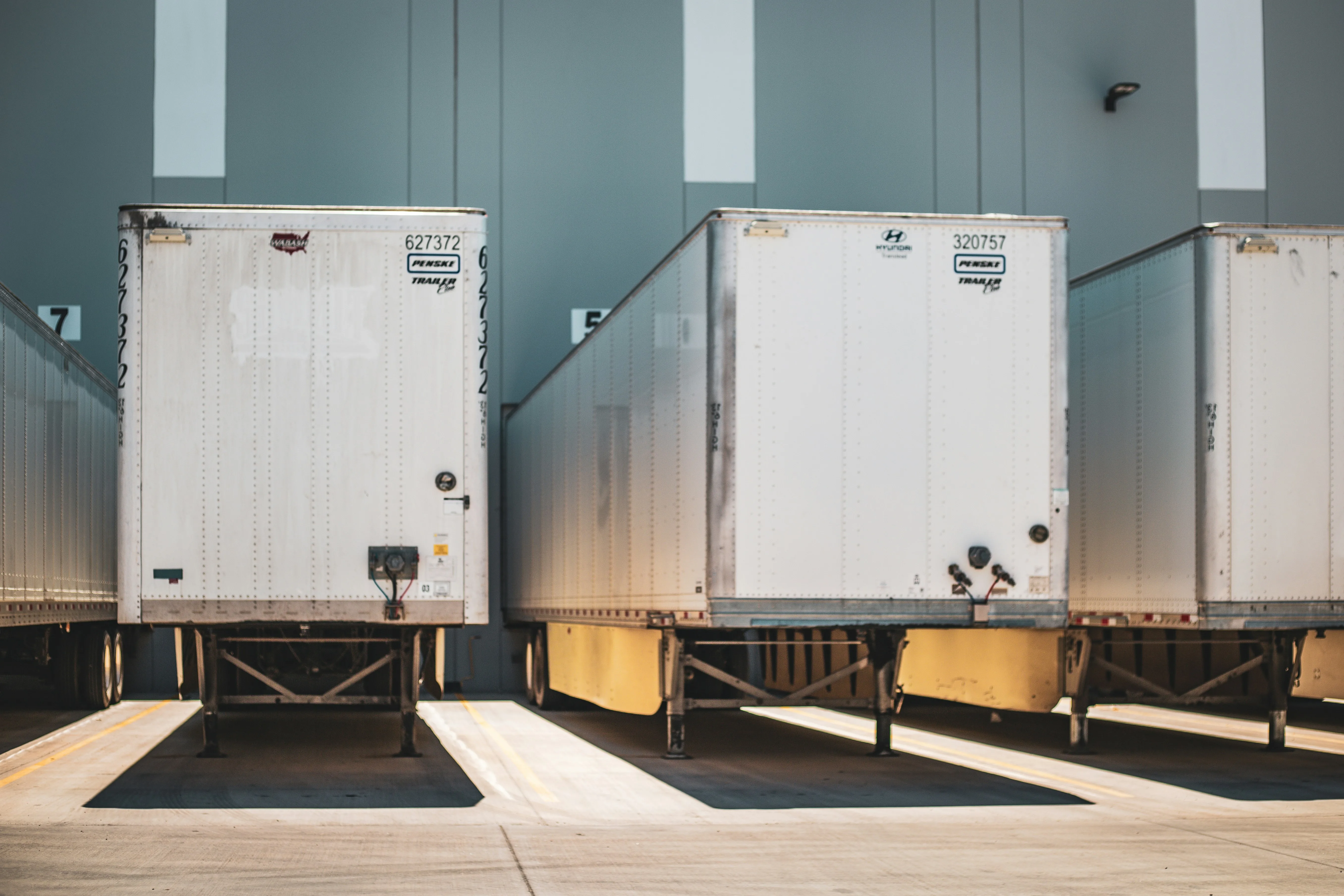
A separate fuel supply from the tractor. The reefer draws from its own tank, which means it can run dry while the tractor is perfectly fine. Operations that manage tractor fuel diligently sometimes give reefer fuel far less attention precisely because it sits outside the normal fueling routine.
Station fueling that fits poorly. Not every station accommodates a refrigerated trailer and its separate fueling requirement conveniently, and time spent locating one is time and mileage that produce nothing. There is also liability exposure that comes with fueling operations at public stations.
Drop trailers with no clear ownership. A trailer parked at a customer facility or staging yard, waiting for its next leg, is exactly where a fuel gap goes unnoticed until someone checks.
Seasonal blend mismatches. Cold-weather operation requires appropriately blended fuel. A gelled filter on a reefer unit is a refrigeration failure with the same consequence as an empty tank.
What a proper reefer fueling solution addresses
The requirement is continuous coverage matched to continuous runtime. A 24/7 reefer fueling solution delivers fuel directly to refrigerated trucks and trailers wherever they are parked, day or night, rather than requiring the equipment to travel to fuel.
Several elements of that model matter specifically for cold-chain operations.
Off-road fuel delivery carries tax advantages. Because reefer units are not propelling the vehicle, off-road reefer fuel avoids federal on-road fuel tax. That is a structural cost advantage available through delivery that station fueling generally does not provide.
Seasonal blends are handled proactively. Cold and hot weather fuel blends delivered on a schedule tied to conditions prevent the gelling failures that cold-climate operations otherwise learn about at six in the morning.
Storm coverage and disaster response planning address the scenario where regional supply tightens and retail networks are the first place shortages appear. Cold-chain operations cannot pause during a weather event, and contracted supply behaves differently than the open market during disruption.
Delivery visibility and reporting provide gallon-level records of what was delivered where and when. For operations that need to demonstrate cold-chain integrity, documentation of the fuel supply supporting refrigeration is part of a complete record.
Reduced station exposure limits the liability and insurance risk that comes with fueling operations at public facilities.
The management shift
The operations that handle reefer fuel well share one trait: they moved it from reactive to scheduled.
Reactive management means someone notices a gauge and reacts. It works until the day it does not, and it fails at the worst possible moment because the worst moments are exactly when attention is scarcest.
Scheduled management means reefer fuel is delivered on a cadence tied to actual runtime, with coverage that extends through nights, weekends, and weather events. Nobody is checking gauges under pressure. The fuel arrives before it is needed.
That change costs very little relative to the freight it protects. For any operation whose business depends on delivering temperature-sensitive product in specification, proper reefer fuel management is not an operational refinement. It is the foundation the entire cold chain rests on, and the cheapest place in the whole system to buy reliability.