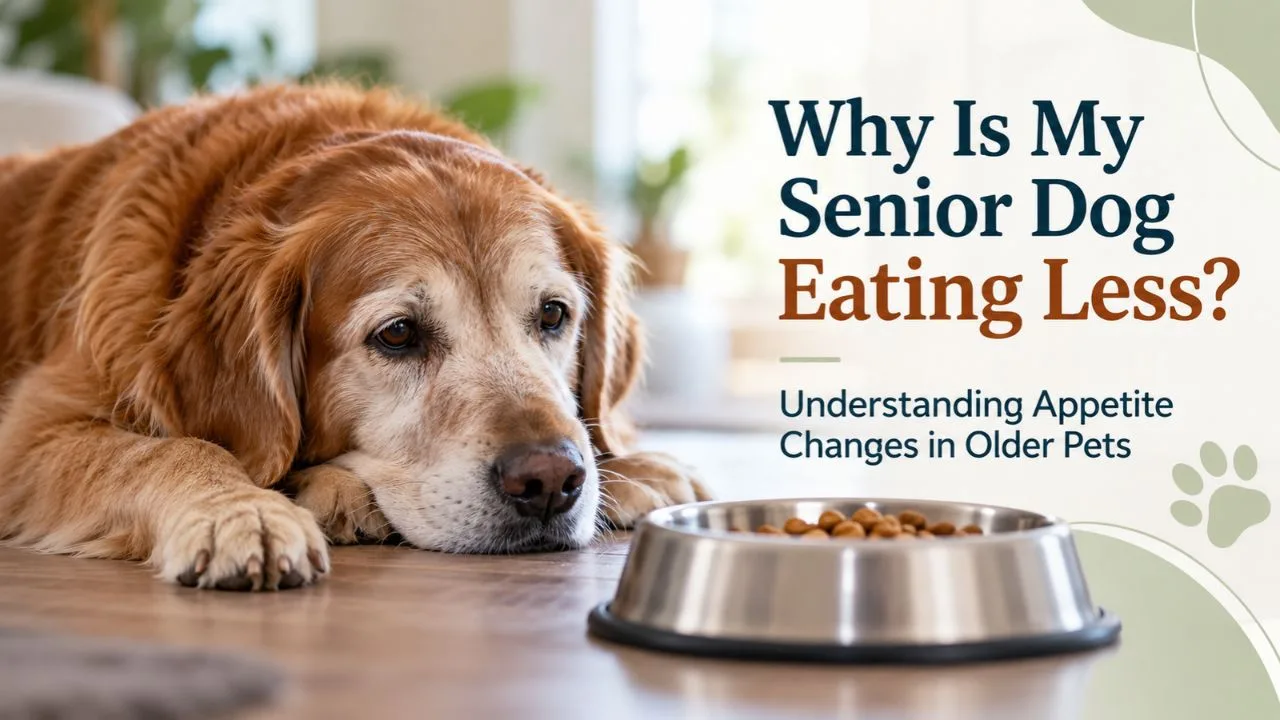
Why Is My Senior Dog Eating Less? Understanding Appetite Changes in Older Pets
As dogs grow older, their eating habits may change. A senior dog who once rushed to the food bowl may begin eating slowly, leaving food behind, or showing less interest in meals. While some changes can be related to aging, a reduced appetite should never automatically be dismissed as a normal part of getting older.
Appetite changes in senior dogs can occur for several reasons, including dental discomfort, digestive problems, medication side effects, chronic health conditions, and changes in mobility. Identifying the underlying cause can help you determine what your dog needs and when veterinary attention is necessary.
If your older dog is eating less than usual, observing changes in their behavior, drinking habits, weight, and energy levels can provide useful information. Understanding these changes can help you make informed decisions about your dog's comfort and overall well-being.
Is It Normal for Senior Dogs to Eat Less?
Some older dogs may become less active and require fewer calories than they did when they were younger. However, a noticeable decrease in appetite is not something to attribute to age alone.
An older dog may eat less because chewing has become uncomfortable, their sense of smell has changed, or an underlying medical condition is affecting their appetite. Some dogs may also experience nausea, constipation, or difficulty getting to their food bowl.
Pay attention to whether your dog is eating smaller portions, refusing particular foods, skipping meals, or stopping eating altogether. These patterns can help your veterinarian understand what may be happening.
A gradual change in appetite accompanied by weight loss or reduced energy deserves attention. A sudden refusal to eat, especially when accompanied by vomiting, weakness, pain, or other concerning symptoms, warrants prompt veterinary advice.
7 Reasons Your Senior Dog May Be Losing Their Appetite
1. Dental Pain and Oral Health Problems
Dental problems are a common reason dogs may become reluctant to eat. As dogs age, they can develop periodontal disease, damaged teeth, inflamed gums, or other oral conditions that make chewing painful.
Your dog may approach the food bowl but walk away after a few bites. They may prefer soft food, chew on one side of the mouth, drop food while eating, or show increased drooling.
Other possible warning signs include bad breath, pawing at the mouth, facial sensitivity, or visible changes in the gums.
What you can do: Arrange a veterinary examination if you suspect dental discomfort. Your veterinarian can assess your dog's mouth and recommend appropriate treatment. Softening food may make eating easier temporarily, but it does not treat the underlying dental problem.
2. Changes in Smell and Taste
A dog's sense of smell plays an important role in food interest. Some senior dogs experience changes in their ability to smell or respond to food, which may make familiar meals less appealing.
You might notice that your dog sniffs their food and walks away, takes longer to begin eating, or shows interest in foods they previously ignored.
However, changes in smell and taste should not automatically be assumed to be a normal consequence of aging. Nasal disease, dental problems, nausea, and other medical conditions can also affect food interest.
What you can do: Ask your veterinarian whether changing the food's texture or gently warming suitable food could help. Warming food slightly may enhance its aroma, but avoid serving it hot. Any substantial diet change should take your dog's health conditions and nutritional needs into account.
3. Digestive Problems and Nausea
Digestive discomfort can make even a hungry dog reluctant to eat. Senior dogs may experience nausea, constipation, gastrointestinal inflammation, or other digestive problems that interfere with normal eating.
Signs may include lip licking, repeated swallowing, drooling, vomiting, diarrhea, abdominal discomfort, or unusual changes in bowel movements.
Some dogs continue drinking water but refuse food. Others may eat a small amount before stopping because they feel uncomfortable.
What you can do: Monitor your dog's symptoms and contact your veterinarian for advice. Seek urgent veterinary care if your dog has repeated vomiting, a swollen or painful abdomen, blood in vomit or stool, severe weakness, or an inability to keep water down. Do not give human digestive medications unless your veterinarian specifically recommends them.
4. Chronic Illness and Age-Related Conditions
Reduced appetite can sometimes be an early sign of an underlying health condition. Older dogs may develop kidney disease, liver disease, diabetes, cancer, or other illnesses that affect appetite, digestion, energy, and body weight.
Some conditions cause nausea or discomfort. Others may change how the body processes nutrients or regulate thirst and urination.
You may notice additional symptoms, such as increased drinking, more frequent urination, unexplained weight loss, changes in energy, or reduced interest in normal activities.
What you can do: Schedule a veterinary assessment if your dog's appetite remains reduced, returns repeatedly, or changes alongside other symptoms. Depending on the examination, your veterinarian may recommend blood tests, urine testing, imaging, or other investigations.
Finding the underlying cause is more useful than simply trying different foods.
5. Medication Side Effects
Some medications can affect a dog's appetite. Depending on the medication, possible side effects may include nausea, digestive upset, changes in thirst, or other symptoms that make eating less appealing.
If your senior dog has recently started a new medication, changed dosage, or begun taking several medications together, the timing may be worth discussing with your veterinarian.
Do not assume that the medication is necessarily responsible. The condition being treated may also be affecting your dog's appetite.
What you can do: Keep a record of when your dog eats, when medication is administered, and when symptoms appear. Contact your veterinarian to discuss possible side effects or alternatives. Never stop or change prescribed medication without veterinary guidance.
6. Stress and Changes in Routine
Older dogs may be sensitive to changes in their surroundings and daily routines. Moving homes, welcoming a new family member, changes in household activity, separation from a familiar companion, or alterations to feeding schedules can affect some dogs' eating habits.
Dogs experiencing stress may eat less, sleep differently, become withdrawn, or show changes in their usual behavior.
However, stress should not be assumed to be the cause until potential medical problems have been considered, particularly when appetite loss is new or persistent.
What you can do: Maintain a predictable feeding routine and provide a quiet, comfortable place for meals. Offer food at consistent times and reduce distractions around the bowl. If your dog continues eating poorly, consult your veterinarian rather than relying on routine changes alone.
7. Pain, Mobility Problems, and Difficulty Reaching Food
A senior dog with arthritis, joint stiffness, weakness, or other mobility problems may find it uncomfortable to stand at a food bowl or walk across the house to reach it.
The dog may still be interested in food but appear reluctant to get up. You may notice slower movement, difficulty standing, hesitation on slippery floors, or discomfort when bending the neck.
Improving access to food can make everyday activities more comfortable for an aging pet.
What you can do: Place food and water in an easily accessible location. Consider a nonslip surface and a stable bowl positioned at a comfortable height, provided the arrangement is appropriate for your dog. Avoid changes that force your dog to stretch or adopt an uncomfortable posture.
For more practical ideas, read our guide on How to Modify Your Home for a Pet With Limited Mobility.
If you suspect pain, arrange a veterinary examination. Your veterinarian can evaluate your dog's mobility and discuss suitable pain-management options.
What You Can Do When Your Older Dog Eats Less
When a senior dog starts eating less, small practical steps can help you monitor the situation and make meals more comfortable. These steps should complement veterinary advice, not replace it.
Track Your Dog's Food Intake
Keep a simple record of how much food your dog is offered and how much they actually eat. Note when the change started and whether it is becoming more pronounced.
Also record changes in drinking, urination, bowel movements, vomiting, energy, and body weight when you can do so safely.
This information can help your veterinarian identify patterns and assess how urgently your dog needs to be examined.
Make Mealtimes Comfortable
Choose a quiet feeding area where your dog can eat without being disturbed. Ensure that the bowl is easy to reach and that your dog does not have to navigate stairs or slippery flooring unnecessarily.
If standing is uncomfortable, ask your veterinarian about an appropriate feeding arrangement.
Review Food Texture and Palatability
Some dogs may find a softer texture easier to manage, particularly if dental discomfort is involved. Warming suitable food slightly can also make its aroma more noticeable.
If you want to change your dog's food, check with your veterinarian first, especially if your dog has kidney disease, diabetes, gastrointestinal problems, food sensitivities, or another condition requiring a specific diet.
Avoid repeatedly switching foods or adding rich table scraps in an attempt to encourage eating. Sudden dietary changes can cause digestive upset, and some human foods are unsafe for dogs.
Keep Fresh Water Available
Ensure your dog has access to fresh water throughout the day. Monitor whether they are drinking more or less than usual, as changes in thirst can provide important clues about their health.
If your dog is vomiting, cannot keep water down, or shows signs of dehydration or marked weakness, seek veterinary advice promptly.
Avoid Force-Feeding
Do not force food or water into your dog's mouth unless a veterinarian has provided specific instructions and demonstrated a safe method. Force-feeding can cause distress and may lead to aspiration, particularly in a weak or nauseated dog.
If your dog consistently refuses food, identifying the reason is more important than trying to make them finish a meal.
When Should You Contact a Veterinarian?
A reduced appetite can range from a temporary change to a sign of a serious medical problem. Because senior dogs may have underlying health conditions, it is best to seek veterinary guidance early.
Contact your veterinarian promptly if your dog:
- Eats noticeably less than usual or repeatedly skips meals.
- Loses weight without an obvious explanation.
- Has difficulty chewing, swallowing, or keeping food down.
- Develops vomiting, diarrhea, constipation, or changes in drinking and urination.
- Appears uncomfortable, unusually tired, withdrawn, or less interested in normal activities.
Seek urgent veterinary care if your dog stops eating and also develops significant weakness, collapse, difficulty breathing, severe pain, repeated vomiting, a swollen abdomen, or other severe symptoms. Puppies and dogs with conditions such as diabetes may need especially prompt assessment when they refuse food.
Do not wait for a fixed period if your dog appears unwell. Even without other symptoms, contact your veterinarian promptly if a senior dog refuses food entirely or the appetite change is sudden. Your veterinarian can advise you based on your dog's medical history and current condition.
How Appetite Changes Can Affect a Senior Dog's Quality of Life
Eating is one part of a dog's overall well-being. Persistent appetite changes can affect body weight, muscle strength, hydration, energy, and the ability to maintain normal daily activities.
When a dog is living with a chronic or progressive illness, appetite changes may occur alongside discomfort, fatigue, reduced mobility, or changes in social behavior. Looking at these signs together provides a more complete picture than considering food intake alone.
Families caring for a senior dog should observe several aspects of daily life, including:
- Appetite and hydration: Is your dog eating enough to maintain their condition and drinking normally?
- Comfort and mobility: Can your dog rest, stand, and move without significant discomfort?
- Interest in daily activities: Does your dog still enjoy familiar interactions and activities?
- Rest and sleep: Is your dog resting comfortably, or does discomfort interrupt sleep?
- Good days and difficult days: Are comfortable, enjoyable periods still occurring regularly?
A simple daily journal can help you recognize changes over time and share useful information with your veterinarian.
For additional guidance, see our article on Why Pet Pain Management Is Essential for Your Dog or Cat's Quality of Life.
If your dog's comfort, appetite, or daily functioning continues to decline despite treatment, discuss the available care options with your veterinary team. Decisions about long-term support should be based on the dog's medical needs, comfort, and individual circumstances.
Supporting Your Senior Dog at Home
Caring for an older dog often means paying closer attention to small changes that may previously have gone unnoticed. A meal left unfinished, a slower walk to the food bowl, or a new reluctance to chew can provide useful clues about how your dog is feeling.
You do not need to identify the cause on your own. Your role is to observe changes, provide a comfortable environment, follow veterinary recommendations, and seek professional guidance when something seems different.
For dogs living with chronic or advanced illness, coordinated veterinary care can help families understand their options and focus on their pet's comfort. Depending on the dog's needs, this may include symptom management, nutritional guidance, mobility support, and discussions about quality of life.
At Restful Pets at Home, we understand that caring for an aging or seriously ill companion can bring difficult questions. If you are concerned about your pet's comfort or changing needs, speak with your veterinary team about appropriate next steps and the support available for your family.
Your senior dog's changing appetite deserves attention, patience, and a thoughtful plan. Identifying the cause early can help you make informed decisions and give your companion the care they need.
Frequently Asked Questions
Why is my senior dog suddenly eating less?
A sudden decrease in appetite may be related to dental pain, nausea, medication effects, stress, or an underlying medical condition. Because sudden changes can signal a health problem, contact your veterinarian promptly, especially if your dog refuses food entirely or develops other symptoms.
Do older dogs naturally eat less?
Some older dogs need fewer calories because their activity levels have decreased. However, a noticeable or persistent reduction in appetite should not automatically be considered normal aging. Dental problems, illness, pain, and other conditions may be responsible.
What can I feed my senior dog that has lost its appetite?
The most appropriate food depends on why your dog is eating less and whether they have any medical conditions requiring a specific diet. Your veterinarian can advise whether a softer texture, a more palatable complete diet, or another nutritional approach is appropriate. Avoid making major dietary changes without guidance.
How long can a senior dog go without eating?
There is no single safe waiting period for every senior dog. Age, medical history, hydration, medications, and other symptoms all matter. Contact your veterinarian promptly if your dog refuses food entirely, and seek urgent care if they are weak, vomiting repeatedly, in pain, or otherwise seriously unwell.
Can arthritis make an older dog eat less?
Arthritis may make it uncomfortable for a dog to stand, walk to the bowl, or maintain a comfortable feeding posture. However, arthritis does not explain every appetite change. A veterinarian can assess mobility, pain, and other possible causes.
Is loss of appetite a sign that my senior dog is nearing the end of life?
Reduced appetite can occur in dogs with advanced illness, but it does not by itself establish that a dog is nearing the end of life. Many potentially treatable conditions can also cause appetite loss. A veterinarian can assess the underlying cause, discuss treatment options, and help you evaluate your dog's overall quality of life.
When should I worry about my older dog not eating?
You should be concerned when appetite loss is sudden, persists, recurs frequently, or occurs alongside weight loss, vomiting, changes in thirst, weakness, or discomfort. A complete refusal to eat warrants prompt veterinary advice, and severe accompanying symptoms require urgent assessment.
A final reminder: Appetite changes are information, not a diagnosis. If your senior dog is eating less, work with your veterinarian to understand why and determine the most appropriate way to support their health and comfort.