
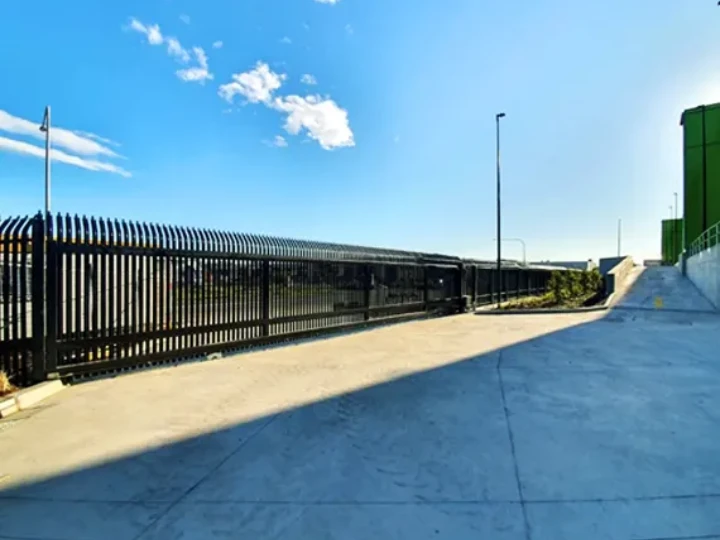
Critical infrastructure facilities require strict security and access control. From government data facilities to logistics hubs and major construction sites, protecting sensitive infrastructure is a priority. A data centre gate plays a vital role in safeguarding these environments by controlling entry points and ensuring only authorised personnel and vehicles can access restricted areas. For sectors managing valuable digital and physical assets, implementing certified gate systems is a fundamental part of modern perimeter protection.
The Importance of Secure Access Control
Infrastructure facilities such as data centres handle sensitive systems, network hardware and essential operational data. Any breach of these environments can result in service disruption, security risks and financial losses. For this reason, security planning must extend beyond internal systems to include the physical perimeter.
Controlled entry points help regulate vehicle movements, staff access and contractor entry. When designed as part of a broader security strategy, access systems prevent unauthorised entry while allowing operational efficiency for approved personnel. Government facilities, transport infrastructure and logistics depots all depend on secure perimeter management to maintain continuity and protect critical assets.
Integration with Data Centre Fence Systems
High-security facilities often combine access gates with robust perimeter barriers. A data centre fence acts as the first line of defence, forming a physical boundary around critical infrastructure. When paired with advanced gate systems, the perimeter becomes a comprehensive security solution.
These barriers are typically designed to resist tampering, climbing or forced entry. Anti-climb mesh, heavy-duty steel structures and reinforced posts are commonly used in sensitive environments. Together, fencing and controlled access points create a layered security approach that reduces vulnerabilities and ensures the facility remains protected at all times.
Compliance and Certification Requirements
Government and commercial infrastructure projects must comply with strict security and construction standards. Certified access systems are often required to meet safety regulations, engineering specifications and operational protocols.
In Australia, infrastructure planners typically follow recognised engineering standards and regulatory requirements when designing secure perimeters. Certification ensures the gate structure meets load ratings, durability expectations and safety guidelines. For organisations managing high-value infrastructure, these requirements are essential to maintain regulatory compliance and operational reliability.
Certified installations also support risk management strategies. By using systems that meet recognised standards, project stakeholders can demonstrate due diligence in protecting sensitive facilities.
Supporting Operational Efficiency in Infrastructure Projects
Security infrastructure must not only protect assets but also support day-to-day operations. Construction sites, logistics facilities and government infrastructure require controlled vehicle movement without causing delays or congestion.
Modern access systems can integrate with electronic controls, monitoring systems and security protocols. These technologies allow authorised personnel to enter efficiently while maintaining strict oversight of entry points. Automated monitoring also improves response times if unusual activity is detected.
Facilities operating around the clock particularly benefit from reliable access systems. A well-designed security perimeter ensures the site remains protected while maintaining smooth operational flow.
Long-Term Durability and Infrastructure Protection
Infrastructure environments often expose security systems to heavy usage and challenging conditions. High-traffic areas such as freight depots, transport facilities and government operations require durable equipment designed for long-term reliability.
Quality materials, corrosion protection and engineered structural components are essential for maintaining performance over time. Regular inspections and maintenance programs further extend the lifespan of perimeter security systems.
By investing in durable infrastructure protection measures, organisations can minimise downtime, reduce repair costs and maintain continuous protection of critical assets.
Protecting critical infrastructure requires a well-planned combination of perimeter barriers, access control systems and compliance with strict security standards. For government facilities, logistics hubs and major construction projects, certified gate systems provide a reliable method of regulating entry while safeguarding sensitive operations. When integrated with strong perimeter barriers and modern monitoring systems, these installations help organisations maintain security, operational efficiency and regulatory compliance. Implementing a certified data centre gate ensures infrastructure projects remain protected against unauthorised access while supporting the long-term safety of essential facilities.
1. What is a data centre gate used for?
A data centre gate is used to control and secure entry points for facilities that store critical digital infrastructure and sensitive operational equipment.
2. Why is a data centre fence important for infrastructure security?
A data centre fence creates a secure perimeter boundary that prevents unauthorised access and protects critical infrastructure from external threats.
3. What materials are commonly used in data centre fencing systems?
Data centre fencing typically uses high-strength steel, anti-climb mesh panels and corrosion-resistant coatings designed for long-term durability.
4. Do government projects require specialised data centre fencing?
Yes. Government and infrastructure projects often require high-security data centre fencing that meets strict safety, engineering and compliance standards.
5. How does a data centre fence improve perimeter security?
A data centre fence forms the first line of defence, restricting physical access and working alongside surveillance and access control systems to protect critical infrastructure.