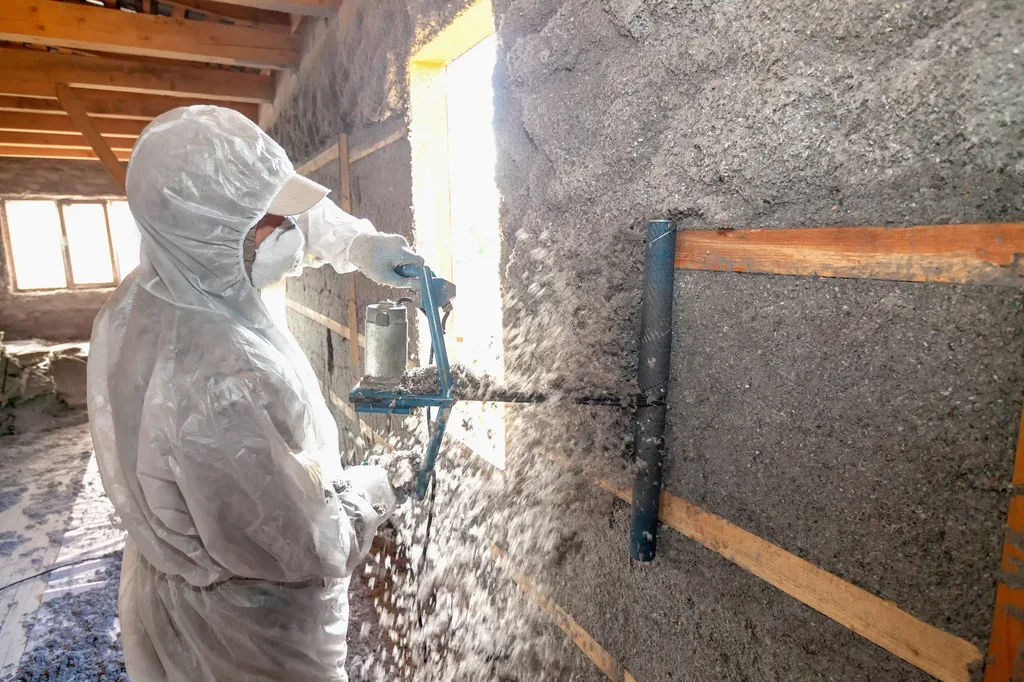
Hiring a certified Cellulose Insulation Contractor guarantees that your home insulation is installed to the exact density required to prevent settling, air leaks, and heat transfer over time. Correct installation preserves the material's thermal resistance, saves money on energy bills, and maintains fire safety standards. This guide shows how professional installation protects your investment.
Working with trained experts means you avoid common mistakes like sagged materials, cold spots, and wasted heating or cooling energy. Industry studies indicate that poorly installed insulation can lose up to 40 percent of its thermal performance. This article explains how to secure the best results for your property.
Why do DIY insulation projects often fail to deliver savings?
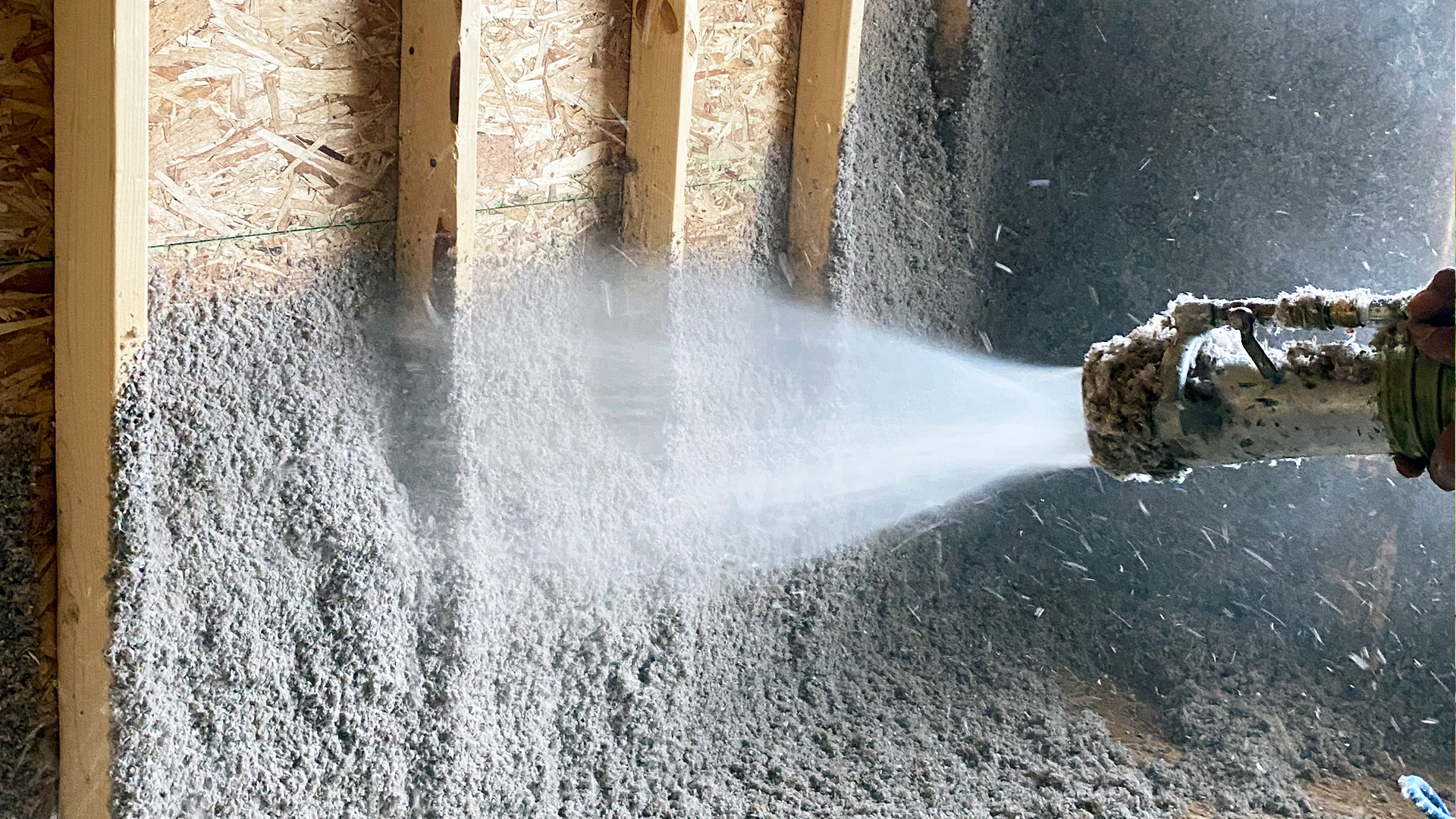
Many property owners try to install blown-in cellulose insulation using rented machines, but this often leads to uneven coverage. Professional techniques require specific pressure settings and moisture controls that standard rental equipment cannot match. If the material is too loose, it will drop and leave large gaps at the top of your walls and attic spaces.
- Standard rental blowers lack the power to pack the material tightly into wall cavities.
- Poorly packed fibers settle quickly, reducing the R-value within the first year of installation.
- Uncertified installers often overlook hidden bypasses like chimney chases and wire penetrations.
Bonus Tip: Always check if your attic floor can support the weight of the new material before adding more layers to avoid structural ceiling damage.
Key differences in professional installations
Using experienced cellulose insulation services ensures your project benefits from industrial-grade equipment and advanced techniques. Professional teams use heavy commercial machines to ensure the fibers pack tightly together. This prevents the material from shifting or losing its thickness when the temperature changes.
Here is a direct comparison of what you get with different installation paths:

- Professional teams measure the exact bag count needed for your specific square footage.
- Experienced crews seal all air leaks before blowing any loose-fill material.
- Certified workers keep insulation away from hot light fixtures and flue pipes.

Critical factors to review before selecting a local Cellulose Insulation Contractor
Selecting the right team for your cellulose insulation installation services requires checking their training and credentials. You should look for teams that hold industry certifications and carry proper liability insurance.
- Verify that they test the home's draftiness before and after they complete the work.
- Ask if they offer a written warranty on both the material and their labor.
- Check if they use high-quality borate-treated products for maximum fire and pest resistance.
Bonus Tip: Ask your candidate for a reference list of jobs completed at least three years ago to see if those customers still enjoy low utility bills.
Climate impacts on material performance
Beyond technical installation, local environmental factors also play a critical role in system longevity. In hot, humid areas, moisture control is a major concern for attic systems. A certified Cellulose Insulation Contractor understands how to balance attic ventilation with insulation depth to stop condensation.
- High humidity requires careful placement of baffles to keep soffit vents clear.
- Improper airflow can trap warm moisture, leading to mold growth on roof sheathing.
- Properly treated cellulose handles moisture changes without losing its structural form.
How correct density prevents future problems
Using a professional Cellulose Insulation Contractor ensures your walls are dense-packed to at least 3.5 pounds per cubic foot. This high density stops air from moving through the walls and prevents the fibers from sinking.
- Dense-packing blocks noise from streets, creating a quieter indoor environment.
- Correct density acts as a draft barrier, reducing the load on your air conditioner.
- Professional techniques prevent the dust and fiber drift associated with poor blower setups.
Bonus Tip: If you are insulating walls, make sure the team uses a non-invasive inspection camera to verify that every wall cavity is full.
Making the right choice for your home's efficiency
Investing in a professional upgrade ensures you receive the full energy-saving benefits of your material. A certified Cellulose Insulation Contractor delivers a complete barrier that keeps your home comfortable in every season. This upgrade pays for itself over time through lower monthly utility costs and reduced wear on your heating and cooling systems.
- Professional applications maintain their thermal resistance for decades.
- Expert air sealing before insulating prevents drafty spots.
- Certified installations protect your roof structure from damaging heat buildup.

How to connect with a trusted specialist for a free home assessment
When you want to improve your home's thermal performance, working with a local expert is the safest step. You can contact the expert team at Stellrr Insulation & Spray Foam to schedule a complete evaluation of your attic and walls. Their trained specialists provide dependable cellulose insulation installation services designed for lasting comfort. To request your free quote, call them at (512) 710-2839 or send an email to [email protected]. You can also view their office location and customer reviews directly on this Google Map.
What should you ask before upgrading your attic insulation?
How long does blown-in cellulose insulation last in an attic?
When installed correctly by professionals, this material lasts for over 20 to 30 years without losing its thermal properties, provided there are no active roof leaks.
Does cellulose insulation attract pests or insects?
No, professionals install materials treated with ammonium sulfate or borates, which naturally repel insects, mice, and other common household pests.
Can you install new cellulose directly over old fiberglass?
Yes, you can blow this material over existing, clean fiberglass to fill the gaps and create a much more effective thermal barrier.
How long does the installation process usually take for a standard home?
Most professional crews can complete a standard attic blow-in and air-sealing job in four to six hours with minimal disruption.
Is cellulose insulation safe to use around electrical wiring?
Yes, treated cellulose is Class A fire-rated and safe around standard wiring, but installers must place protective barriers around old knob-and-tube systems.