
Most people don’t think about heating when they imagine a well-designed home. They focus on colours, furniture, lighting, and layout. These are the obvious things. But comfort is not always created by what you see first. Sometimes, it is shaped by the things you barely notice.
Heating is one of those things. You only realise its importance when something feels off. A room might look perfect, but if it does not feel warm or balanced, it never truly feels comfortable. Over time, more homeowners have started to recognise this. Heating is no longer just about temperature. It is about how a space feels as a whole.
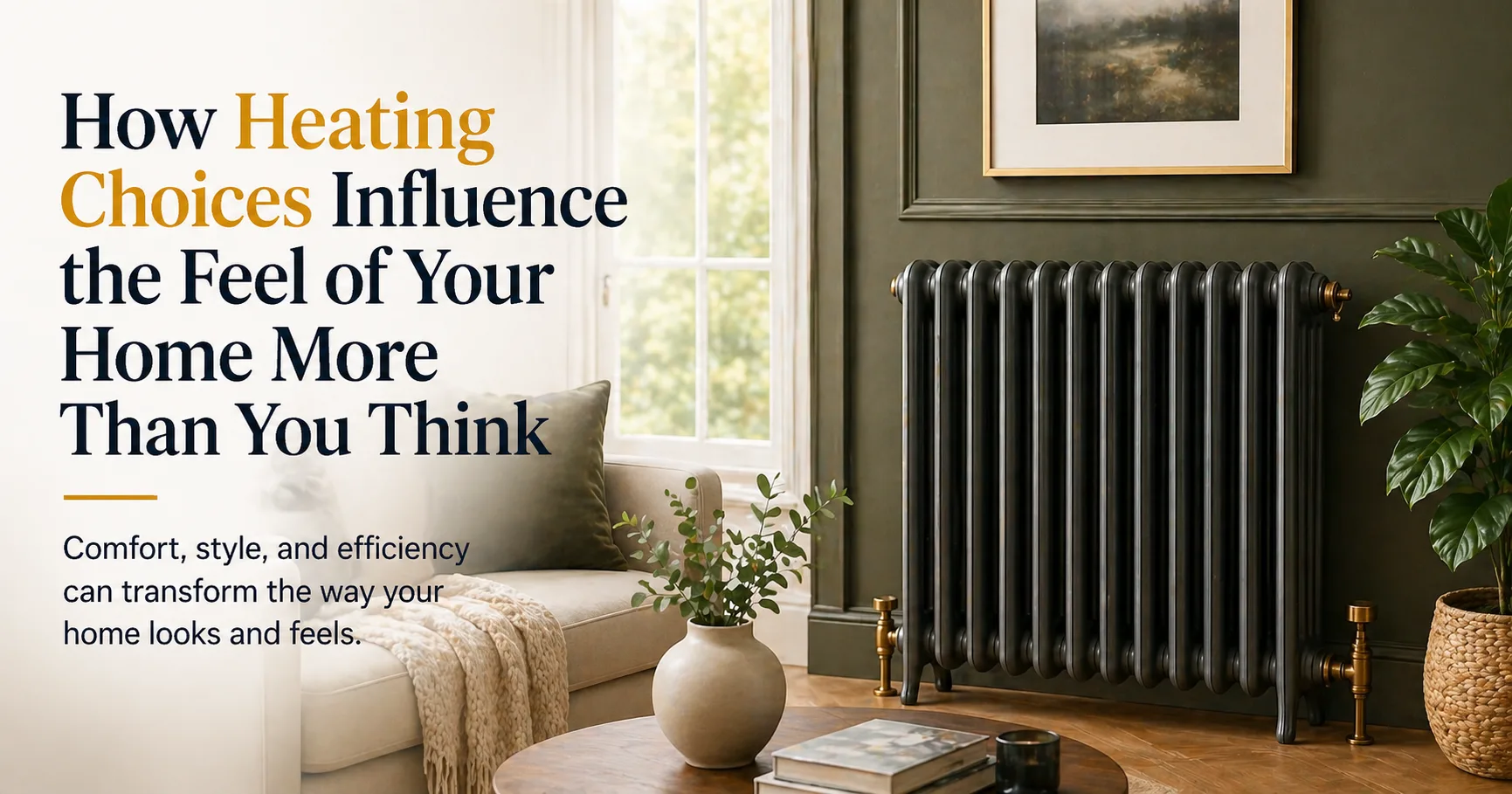
This is why many people are now exploring options like classic column radiators for timeless interiors. These designs are not just practical. They also add character to a space in a way that modern flat systems often do not.
At the same time, people are still mindful of cost. Many are also looking into cheap designer radiators that offer a balance between efficiency and style without making the decision feel like a compromise.
When Comfort Becomes More Than Just Temperature?
Comfort is often misunderstood.
It is easy to assume that a warm room equals a comfortable room. But that is not always true. A space can be warm and still feel uninviting.
True comfort comes from balance. It is a mix of temperature, layout, light, and design working together.
Heating plays a role in this balance. It affects how evenly warmth is distributed. It influences how furniture is arranged. It even changes how a room is used.
Once you start noticing it, you realise how much impact it has.
The Quiet Shift in Interior Preferences
There has been a noticeable shift in how people approach home design.
Minimalism once dominated interiors. Clean surfaces, hidden elements, and simple layouts were preferred. Radiators were often something people tried to hide.
Now, things are changing. Homes are becoming more personal. People want spaces that feel lived in, not just styled. They are bringing back textures, depth, and character.
Traditional radiator designs fit naturally into this change. They do not try to disappear. Instead, they become part of the room.
Why Classic Designs Still Work
There is a reason certain designs never go out of style.
Traditional radiators have a structure that feels familiar and balanced. They add detail without overwhelming the space.
They work well because they:
- Create a sense of depth
- Fit into both modern and classic interiors
- Offer a more noticeable presence without being distracting
This makes them a versatile choice for many homes.
Function Still Matters
While design is important, heating is still a functional feature at its core.
A good radiator needs to do its job properly. It should heat the space efficiently and maintain a consistent temperature.
Traditional designs often perform well in this area. Their structure allows heat to spread evenly, which helps create a more comfortable environment.
This combination of performance and appearance is what makes them appealing.
How Small Details Change the Whole Space
It is easy to overlook small details when designing a home. But these details often have the biggest impact.
Heating is one of those details. When it fits naturally into a space, everything feels more complete. When it does not, something feels slightly off, even if you cannot explain why.
This is why more people are paying attention to it now.
A More Thoughtful Way to Design
Modern homeowners are becoming more intentional with their choices.
They are not just asking what looks good. They are asking what feels right.
Heating is part of that conversation.
Choosing the right solution is not just about warmth. It is about creating a space that feels balanced and comfortable in everyday life.
Final Thoughts
The way we think about home design is changing. Comfort is no longer just about appearance or function. It is about how everything works together.
Heating plays a bigger role in this than most people expect.
When chosen carefully, it can enhance both the look and feel of a space in a way that is subtle but meaningful.