Imagine a restaurant with no tables, no waiters, and no customers walking in. Yet it sends out hundreds of food orders every single day. That is a ghost kitchen. It sounds simple, but it is one of the biggest shifts happening in the food world right now.
The problem is that most POS systems were never built for this. They were made for shops and sit-down restaurants, not for kitchens that only do delivery. Ghost kitchens need tools that work faster, smarter, and without any gaps.
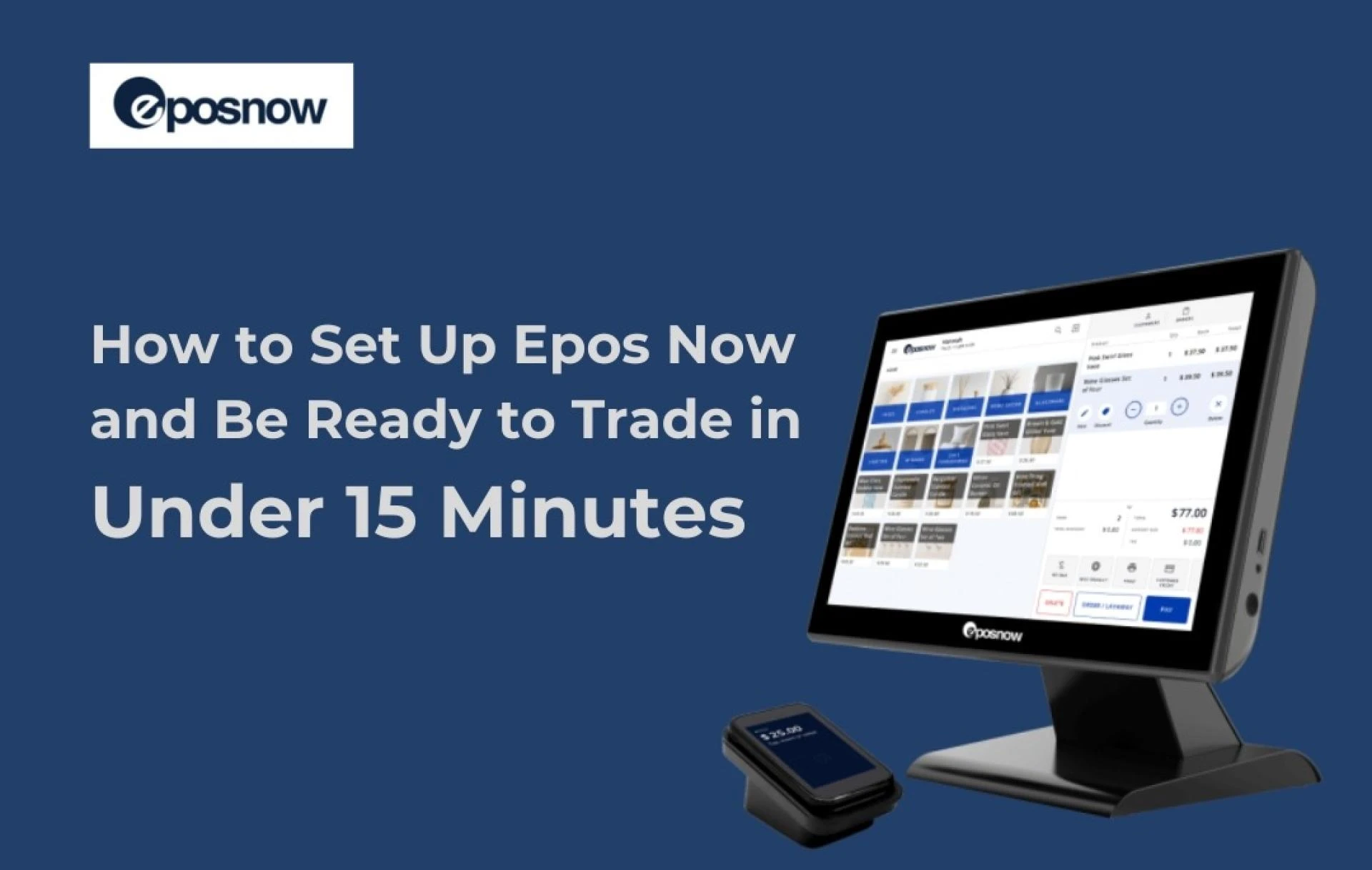
This is why food businesses are moving to modern systems like Epos Now that are built to handle what ghost kitchens demand every day.
Let us look at what ghost kitchens are, why old point of sale systems cannot keep up, and what good POS tools can do to fix that.
What Is a Ghost Kitchen?
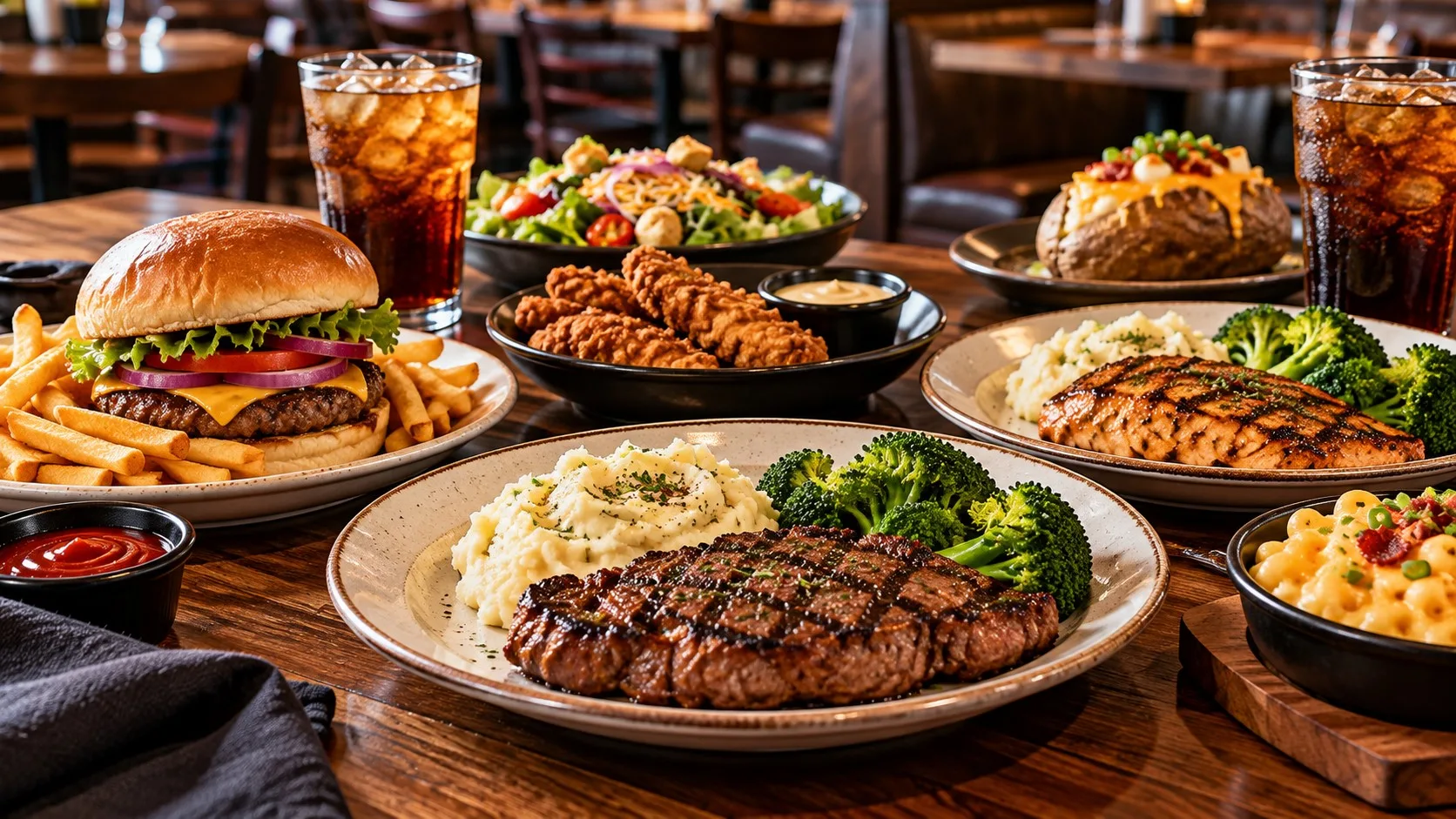
A ghost kitchen is one that prepares meals just for delivery. There are no tables. There are no chairs. There's no front counter. Nobody accepts your order face-to-face. People use applications such as Uber Eats and DoorDash to place food orders. The kitchen prepares the meal. A driver picks it up and brings it to the customer's house.
That is it. However, operating it effectively is not as simple as it seems. The ghost kitchen industry is now valued at about $97 billion. It is rapidly expanding since the expenses are cheap and more people prefer ordering meals from home. You don't need a large eating space. You simply need a kitchen and the appropriate equipment.
Why Old POS Systems Do Not Work
Old point of sale systems were made for a different type of restaurant. They helped waiters take orders, print bills, and close payments. That worked well for normal restaurants.
But ghost kitchens are very different. This is what they handle every day:
- Many orders at the same time: Orders come in from different delivery apps all at once.
- No one at a cash register: Every order is digital, and the system has to handle it on its own
- Rush hours hit hard: In busy periods, many orders land in just a few minutes
- Stock runs out quickly: If one ingredient is gone, many orders have to be cancelled
- Wrong orders cost money: One mistake means a bad review and a refund
A basic POS screen and printer just cannot handle all of this. The system has to do a lot more.
The POS Tools Ghost Kitchens Need
Because of ghost kitchens, POS firms have had to develop improved tools. These are the ones that make the most impact:
Kitchen Display System: This is a screen in the kitchen that shows every order as it comes in. No paper. No mess. Staff can see what needs to be made, tick it off when it is done, and move on to the next one. For a kitchen getting 80 or more orders a day, this is not extra. It is needed.
Delivery App Connection: A good POS links directly to delivery apps. This means orders go straight into the system without anyone typing them in. When staff type orders by hand, they make mistakes. Mistakes mean wrong food. Wrong food means refunds. A direct link stops all of that.
Cloud Back Office: Many ghost kitchen owners are not in the building all day. A cloud POS lets them see sales, stock, and reports from their phone or laptop from anywhere. They always know what is going on, even when they are not there.
Running More Than One Brand: Many ghost kitchens cook for two or three distinct brand names in the same kitchen. Same employees, same equipment, but different menus on various applications. A good POS keeps everything organized and avoids confusion.
How Ghost Kitchens Are Changing the Whole POS World
Ghost kitchens have shown every food business what a POS system really needs to do today.
Epos Now has built tools that are made for this exact kind of work. Delivery app links, kitchen display screens, and live cloud reports all come together in one place to help food businesses run without stress.
Other POS companies are now trying to catch up. Many are adding new tools like:
- Pulling in orders from delivery apps with no manual work at all
- Tracking how much of each ingredient is left so nothing runs out
- Dashboards to manage more than one kitchen at a time
- Payment tools that do not need a card machine at every spot
All food businesses can use these tools, not just ghost kitchens. This is now what a good POS system should do.
This Is Only the Beginning
Ghost kitchens started this change, but it is spreading. Cafes now offer delivery. Restaurants sell food under a second name online. Food trucks take pre-orders only. All of these businesses face the same problem. They need a POS that takes orders online, keeps track of stock, links to delivery apps, and gives owners clear reports to help them make fast, smart choices.
Businesses that get the right tools now will make fewer mistakes, waste less, and give better service. Those who stay with old systems will feel the pressure every time a busy night hits. Ghost kitchens changed how food is made and sent out. They also changed what every food business owner should want from their POS system.
Conclusion
Ghost kitchens made one thing very clear. Most POS systems were not ready for the speed of food delivery today. That push helped the industry build better tools. Faster orders. Smarter stock tracking. Easy links to delivery apps. And the ability to manage everything from anywhere.
If you run a food business and want a POS system that can keep up, Epos Now is worth a look:
Epos Now links to delivery apps, so every order lands in your kitchen with no manual typing. Its cloud-based back office lets you see live sales and stock from any phone, tablet, or computer.
Ghost kitchens are not going away. The only question is whether your POS system is ready for what comes next.