
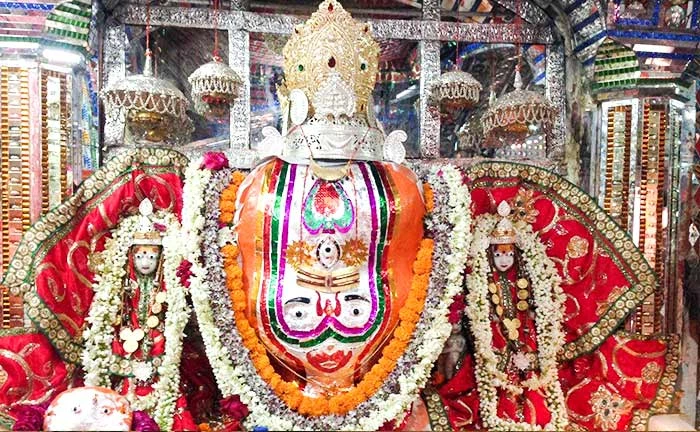
Located within the heart of Rajasthan’s Ranthambore National Park, the Trinetra Ganesh Temple Ranthambore is far more than just a tourist attraction—it is a spiritual destination steeped in centuries of belief, ritual, and local tradition. Among the dense forests, historic ruins, and roaming tigers, this sacred temple draws thousands of devotees each year. While most come to witness the magnificence of wildlife, a deep-rooted spiritual undercurrent flows through the park, anchored by the presence of this ancient temple. Whether you're exploring the best resort in Ranthambore or journeying through the rugged landscape, a visit to this temple becomes an essential spiritual experience.
A Temple with Historical Significance
The Trinetra Ganesh Temple is one of the oldest and most revered temples dedicated to Lord Ganesha in India. It is believed to have been constructed in the 13th century during the reign of King Hammirdev of the Chauhan dynasty. According to local lore, the king had a vision of Lord Ganesha before going into battle, and upon victory, he built the temple within the Ranthambore Fort. Today, this fort is a UNESCO World Heritage Site, but it is the temple within that continues to be the soul of the structure. Unlike most Ganesh temples that portray the deity with two eyes, the Trinetra Ganesh idol is unique in its three-eyed depiction, symbolizing spiritual vision and divine protection.
Spiritual Practices That Withstand Time
Every day, devotees and pilgrims send thousands of letters and wedding invitations to Lord Ganesha at this temple, trusting the divine presence as a family member. It is said that Lord Ganesha here receives mail in His name more than any other temple deity in the country. This long-standing practice reflects the deep faith people hold in this sacred space. The rituals and aartis are conducted multiple times a day and are known for their peaceful and uplifting ambiance. Visitors often report feeling an unexplainable sense of calm and connection after attending the prayers.
Pilgrimage Through the Wild
Part of what makes the Trinetra Ganesh Temple so uniquely devotional is its location. It is the only temple in India that exists inside a tiger reserve. Devotees must travel through forest paths, home to wild animals like leopards, deer, and tigers, to reach the temple. This journey through the wilderness enhances the sense of commitment and reverence, with the landscape itself forming a natural pilgrimage route. The combination of spirituality and raw nature makes the experience deeply transformative.
Cultural Significance for Locals and Tourists Alike
For the local communities of Sawai Madhopur and nearby regions, the temple is a central part of their cultural and spiritual lives. Many families make annual visits to seek blessings before important events, especially weddings. Additionally, tourists from across India and abroad incorporate the temple visit into their itinerary, not just for its religious relevance but also for its architectural charm and the panoramic views of the surrounding reserve. For those opting for a peaceful tent stay in Ranthambore, the proximity to the temple adds a culturally rich layer to their experience.
Eco-Spirituality in Action
Ranthambore is not just about wildlife conservation; it’s also about preserving cultural and spiritual heritage. The temple, surrounded by thick forests and situated within the protected reserve, embodies the harmony between human devotion and ecological preservation. Visitors are encouraged to travel responsibly and respect the environment as they make their way to the temple. This unique balance between nature and spirituality adds depth to the idea of eco-tourism, making Ranthambore a model for sacred environmental consciousness.
What Makes Devotees Keep Coming Back
One of the temple’s most significant characteristics is the powerful connection it fosters between the deity and devotees. Whether it’s farmers praying for rain, students asking for success, or couples seeking blessings for marital harmony, each prayer is personal and heartfelt. Many visitors return year after year, often narrating stories of fulfilled wishes and divine interventions. These experiences, passed on through generations, strengthen the emotional and spiritual ties people have with the temple.
Timeless Architecture with Devotional Design
The architecture of the Trinetra Ganesh Temple stands as a testament to ancient craftsmanship. Built in traditional Rajput style using stone, the temple has stood resilient through centuries of natural wear and historical change. The three-eyed idol, flanked by the deity’s entire family—Riddhi, Siddhi, Shubha, and Labha—makes it unique among Ganesha temples. This complete family presence signifies unity, success, and harmony, reinforcing the temple’s importance as a destination for holistic blessings.
The Temple Experience Beyond Religion
While devotion remains central, the overall experience of visiting the Trinetra Ganesh Temple appeals to more than just religious sentiments. Travelers often find it to be a place for reflection, inner peace, and mindfulness. The sounds of forest life, the chants echoing in stone halls, and the panoramic views from the fort create a spiritual sanctuary. This has led to a growing number of mindful travelers and cultural tourists visiting the temple, often pairing their experience with retreats and eco-lodging options nearby.
Conclusion: A Sacred Jewel Within the Wild
The Trinetra Ganesh Temple in Ranthambore is not merely a religious monument—it’s a living symbol of faith, tradition, and nature coexisting in harmony. From its unique three-eyed idol to its sacred rituals that have survived centuries, the temple stands as a profound reminder of India’s rich spiritual tapestry. Whether you're on a wildlife adventure or a cultural exploration, the temple adds a layer of depth that goes beyond sightseeing.
Its significance grows even more when experienced in person, walking the same paths taken by kings, saints, and seekers before you. Nestled amidst forests, echoing with prayers, and illuminated by the faith of millions, this temple is truly a gem of devotion in the wild heart of Rajasthan.