In today’s fast-paced world, emergencies can happen at any time — in the workplace, at home, on the road, or in public spaces. When accidents or medical crises occur, having someone nearby with life-saving skills can mean the difference between life and death. That’s why First Aid CPR courses are not just valuable; they’re essential for everyone.
What Are First Aid CPR Courses?
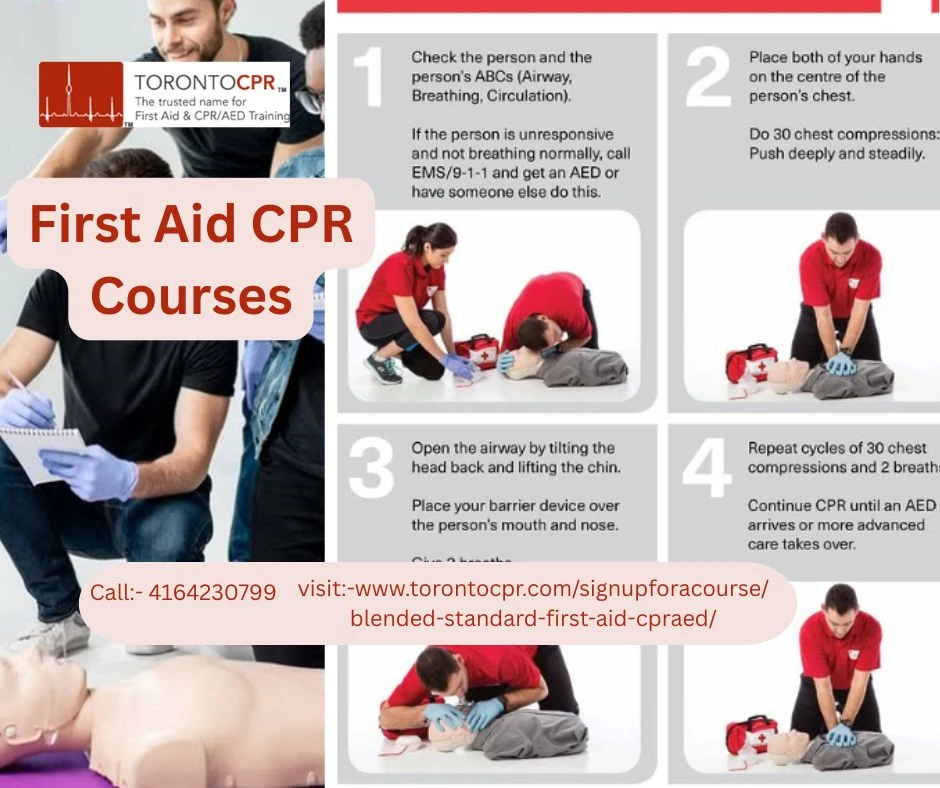
First Aid CPR courses are training programs designed to equip individuals with the knowledge and practical skills needed to respond to medical emergencies. These courses cover a broad range of situations, from treating minor wounds and burns to performing cardiopulmonary resuscitation (CPR) on someone who is unconscious and not breathing.
Most accredited courses combine hands-on training with theoretical knowledge. Participants learn how to:
- Perform CPR on adults, children, and infants
- Use an Automated External Defibrillator (AED)
- Control bleeding and treat shock
- Respond to choking incidents
- Manage fractures, sprains, and other injuries
- Recognize the signs of a heart attack or stroke
Why Take a First Aid CPR Course?
1. Save Lives
The most obvious reason to take a First Aid CPR course is the ability to save lives. Cardiac arrest can happen without warning, and the chances of survival drop by 7–10% with each minute that passes without CPR or defibrillation. Immediate intervention can double or triple survival rates.
2. Be Prepared in Any Situation
Emergencies rarely give warnings. Whether you’re a parent, teacher, employee, or simply someone who wants to help, having first aid and CPR training ensures you’re prepared to act confidently when needed.
3. Workplace Requirements
Many employers now require their staff to have first aid and CPR certification, especially in industries like construction, childcare, healthcare, and education. Completing a certified course can enhance your employability and make you a valuable asset in any professional setting.
4. Reduce Recovery Time
Quick and appropriate first aid can reduce a person’s recovery time and make the difference between temporary and long-term disability. Knowing how to act swiftly and efficiently minimizes complications and promotes faster healing.
5. Promote a Safer Environment
When more people are trained in first aid and CPR, communities become safer. It cultivates a sense of responsibility and boosts public confidence in handling medical emergencies.
What to Expect in a Course
A standard First Aid CPR course typically lasts from a few hours to a couple of days, depending on the level of certification. Most courses offer a mix of lectures, video demonstrations, practical simulations, and written exams. Participants often receive a certification card valid for one to three years, after which re-certification is required.
Courses can be taken in person or online through recognized providers such as the American Red Cross, American Heart Association, St. John Ambulance, or other accredited institutions. Many employers also offer on-site group training for teams.
Who Should Take a First Aid CPR Course?
The simple answer is: everyone. From parents and caregivers to teachers, office workers, coaches, and community volunteers — anyone can benefit from being trained in life-saving techniques. No prior medical experience is required, and courses are designed to be accessible to individuals of all ages and backgrounds.
Final Thoughts
Emergencies can happen anywhere, at any time. The best way to protect your loved ones, co-workers, and even strangers is by being prepared. Enrolling in a First Aid CPR course is a proactive step toward creating a safer world, one responder at a time. It’s not just a skill — it’s a responsibility.
Take the first step today. Find a certified First Aid CPR course near you and become the help until help arrives.