When you think of the USS Arizona, what comes to mind first? For many, it’s not just a battleship lost at Pearl Harbor — it’s a symbol of sacrifice, service, and the thousand lives forever changed on December 7, 1941. Today, decades after that tragic day, a new chapter in honoring those lost is unfolding through Operation 85, an initiative poised to bring closure to families who have carried unanswered questions for generations.
At the heart of this mission are family DNA donations — an unexpected but powerful key to completing the work started nearly a century ago. In this blog, we’ll explore why these DNA contributions matter so profoundly, how they tie into the legacy of the Arizona and its survivors, and how even small gestures — like owning an USS Arizona White Ceramic Mug — help support remembrance and legacy.
Carrying History Beneath the Waves
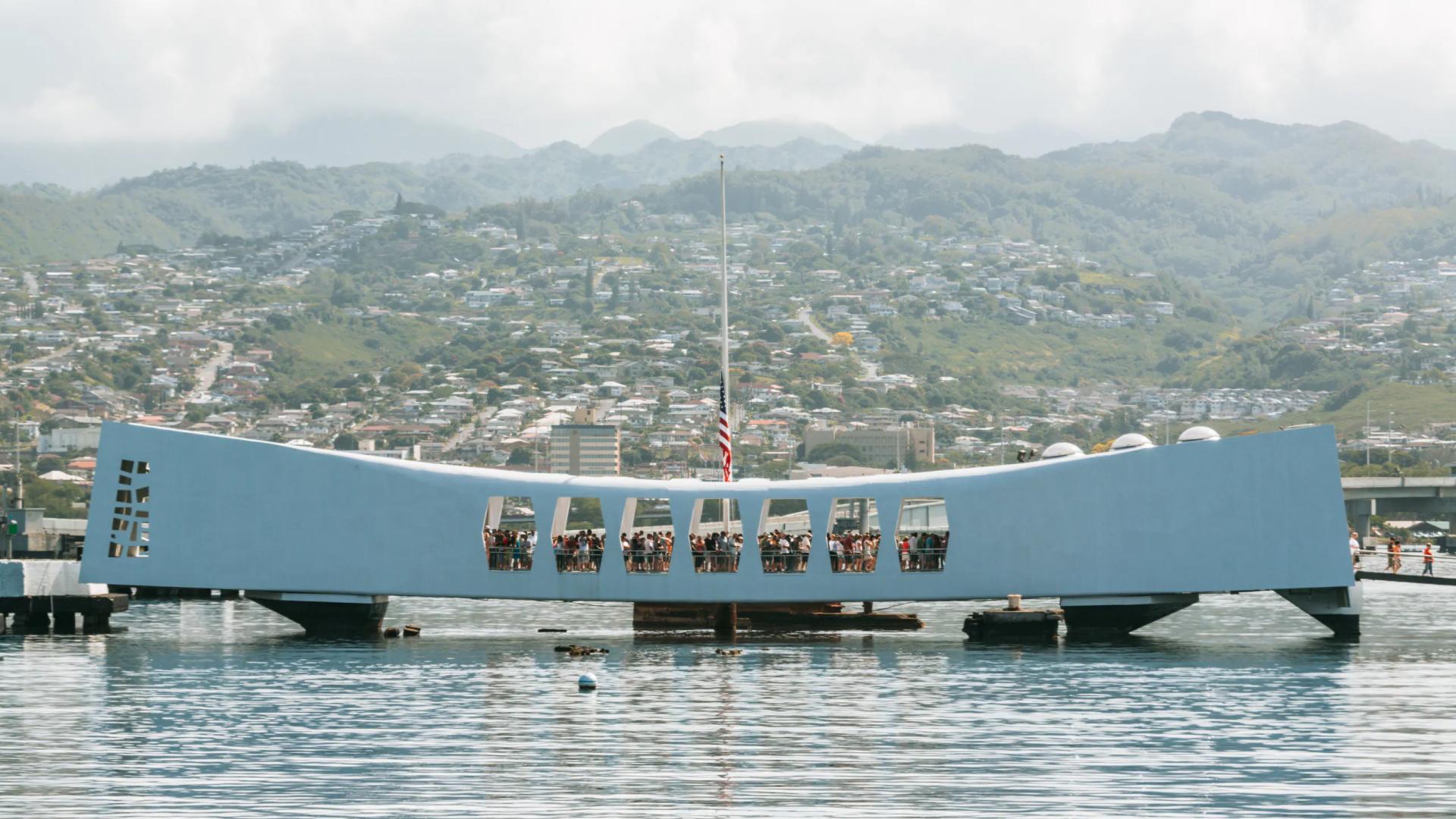
Before we dive into DNA and family science, it’s important to reflect on the physical and emotional weight of the vessel that Operation 85 centers around. The uss arizona depth isn’t just about how deep a ship rests under the Pacific; it’s about how deep its story runs in the hearts of Americans.
The Arizona was one of the most modern battleships of its time, a floating fortress of steel and pride. When it was attacked at Pearl Harbor, more than 1,100 sailors and Marines lost their lives in an instant. The wreck now lies beneath tens of feet of water, a mass grave and memorial where many families still hope for final answers about their loved ones.
The depth of the water mirrors the depth of emotion tied to the ship — forever resting, yet never forgotten.
What Is Operation 85?
Operation 85 is a collaborative effort between historians, archaeologists, scientists, and family members to identify remains and artifacts from the USS Arizona. For decades, the identity of many lost crew members has remained unknown. While historical records and artifacts provide clues, DNA technology has become the most promising tool to bring names back to the people they belong to.
This is where family DNA donations become crucial.
Why DNA Matters
Stories of war are written in documents, photos, and memories — but they’re also written in our very genes. When scientists recover remains from sites like the Arizona, they rely on comparisons to living relatives to make positive identifications.
DNA matching works best when there are close family members — children, grandchildren, siblings — who can provide reference samples. These samples help determine whether a set of remains belongs to a particular individual.
This isn’t abstract science. It’s personal. It’s real comfort for families who have spent years wondering, “Is this my grandfather?” or “Could this finally be my uncle?”
By contributing DNA, family members help fill in pieces of history that paper records alone can’t complete.
A Living Legacy: Sons and Daughters Carrying the Story
Throughout history, the descendants of WWII veterans have played a powerful role in preserving and honoring their ancestors’ sacrifices. The sons and daughters of pearl harbor survivors embody this commitment. Many have grown up with stories of bravery, loss, and resilience — stories passed down like heirlooms.
But stories, while valuable, can only go so far. DNA adds a layer of certainty and connection that historical narrative alone cannot achieve.
Imagine a grandson who has heard about his grandfather’s last day from family lore for fifty years. Now imagine that same grandson being able to confirm his grandfather’s identity scientifically through a DNA match. The emotional closure is profound. It’s a bridge between the past and present that brings peace in ways words cannot.
How Family DNA Donations Help Operation 85
- Matching Remains to Living Relatives
- When scientists recover biological material from the USS Arizona site, they compare it with DNA profiles submitted by relatives. A match can confirm identities that have been unknown for decades.
- Filling Historical Gaps
- Even when records are incomplete or ambiguous, DNA can provide the missing link. This helps historians paint a clearer, more accurate picture of what happened and who was there.
- Honoring the Fallen With Names, Not Numbers
- Too many service members have been remembered only as “unknown.” DNA identification restores names and identities, allowing for proper recognition on memorials and in family histories.
- Offering Closure to Loved Ones
- For relatives who have spent a lifetime wondering, obtaining confirmation through DNA can offer deep emotional closure that no certificate or commemorative plaque ever could.
It Takes a Village — And a Community
Operation 85 is not just a scientific endeavor. It’s a community effort rooted in collective memory and compassion. Families, historians, scientists, and advocates all play essential roles. Each DNA donation adds strength to the project, deepens its impact, and brings it closer to its ultimate goal: giving every crew member of the USS Arizona the dignity of identification.
Supporting this work doesn’t have to stop with DNA contributions. Community awareness, funding, and personal engagement all help ensure that the mission continues.
Little Things, Big Meaning
Supporting remembrance can be as simple and meaningful as owning commemorative items that honor history. That’s where items like the USS Arizona gift mug and the USS Arizona White Ceramic Mug come into play.
Owning a piece of memorabilia does more than give you something tangible. It keeps the conversation going. Every morning coffee in one of these mugs can be a quiet moment of reflection — a daily reminder of why these stories matter, and why projects like Operation 85 deserve attention and support.
Plus, proceeds from official merchandise often go toward preservation efforts, educational outreach, and continuing research — creating a direct link between personal remembrance and active contribution.
A Living Tribute
We often think of memorials as statues or plaques — silent structures that mark history. But living memorials are different. They breathe. They evolve. They connect the past with the present in ongoing, personal ways.
Family DNA donations for Operation 85 are part of this living legacy. They turn abstract memory into real names. They transform historical loss into individual stories of connection and resolution. They remind us that behind every ship, every battle, and every war, there are real lives with families who still seek answers.
Final Thoughts
Completing Operation 85 is about more than identifying remains. It’s about honoring memory, restoring identity, providing comfort, and preserving history in the most human way possible. DNA donations from family members are the key — literally and figuratively — to unlocking answers that generations have waited for.