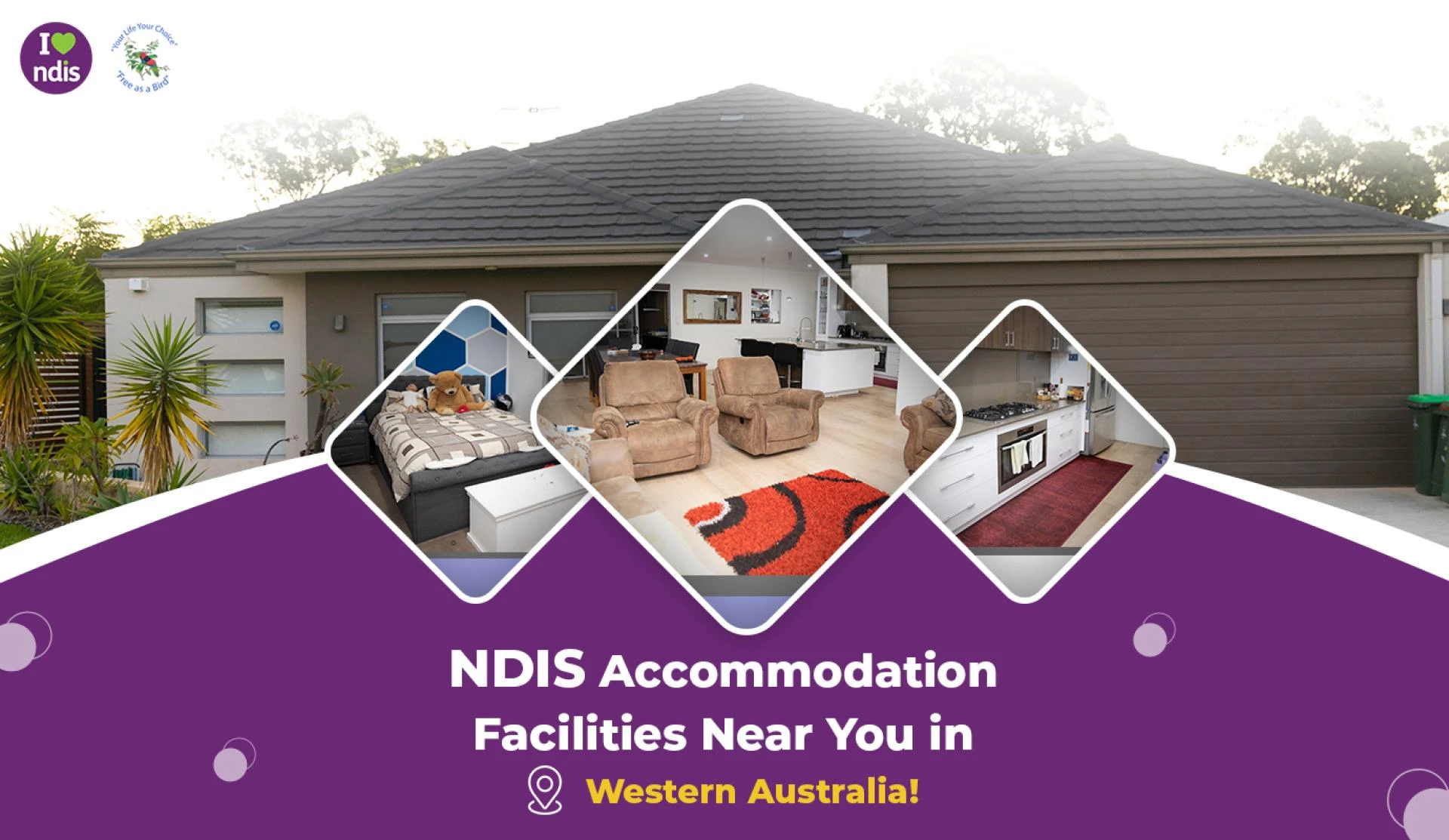
For many families supporting a loved one with disability, finding safe and reliable housing is a top priority. The right accommodation environment can significantly improve daily living, independence, and long-term wellbeing. Across Western Australia, many families choose NDIS Accommodation Facilities because they offer structured support, accessible living environments, and professional care that helps participants live with dignity and stability.
Families often look for housing solutions that provide both independence and safety. While some participants continue living at home with family members, others benefit from supported living arrangements where trained staff assist with daily routines. Well-designed accommodation ensures that individuals receive the right level of care without limiting their independence.
In cities like Perth and throughout regional Western Australia, disability housing services are expanding to meet growing demand. These housing environments are designed to support participants with different needs, including mobility assistance, personal care, and community participation.
For many families, choosing structured accommodation is not just about housing—it is about creating a safe, supportive, and empowering environment that promotes long-term quality of life.
Understanding NDIS Accommodation Facilities in Western Australia
Before exploring why families prefer these housing options, it is important to understand how disability accommodation works under the NDIS.
NDIS Accommodation Facilities are homes designed to support individuals with disability who require accessible living environments or assistance with daily activities. These homes may provide structural accessibility features, professional support staff, and safe environments tailored to the participant’s needs.
Across Western Australia, participants may live in shared supported homes, independent apartments, or specially designed accessible properties. The goal of these housing solutions is to help individuals maintain independence while ensuring they receive the care and assistance required for daily living.
Many families consider this accommodation because it provides a structured environment where participants can develop life skills while receiving appropriate support.
Purpose of NDIS Housing Support
Disability accommodation services are designed to help participants live safely and independently. These homes are structured to support daily routines while providing access to professional care when needed.
Participants may receive assistance with tasks such as personal care, cooking, cleaning, and medication management. This level of support ensures individuals maintain a stable and comfortable lifestyle.
How Families Benefit from Supported Housing
Families often experience peace of mind when their loved ones live in professionally managed housing environments. Knowing that trained staff and accessible facilities are available helps reduce concerns about safety and wellbeing.
Many families also appreciate that participants can develop greater independence while still having access to support services.
Key Reasons Families Prefer These Accommodation Options
Families across Western Australia often choose disability housing because it provides a balanced combination of independence, safety, and professional support.
Greater Independence for Participants
Living in structured accommodation allows individuals to build life skills and manage daily routines more independently. Accessible home designs and support services help participants perform everyday tasks such as cooking, cleaning, and personal care.
When participants gain independence, families often feel reassured that their loved ones can manage daily life with confidence.
Professional Support and Supervision
One of the main advantages of disability accommodation is access to trained support workers. These professionals provide assistance with daily activities while encouraging independence.
Support workers may assist with personal care, household tasks, and community participation, ensuring participants receive help when needed without restricting their autonomy.
Safe and Accessible Living Environments
Safety is one of the most important considerations for families when choosing housing. Accessible housing designs help reduce the risk of injury and ensure participants can move around their homes safely.
Accessibility Features in NDIS Accommodation Facilities
• Step-free entrances
• Wheelchair-accessible hallways
• Non-slip flooring
• Accessible bathrooms and safety rails
These features help participants maintain mobility while reducing potential safety risks.
Supported Living and Daily Assistance
Supported living arrangements are one of the most common forms of disability accommodation in Western Australia. These environments allow participants to live independently while receiving assistance from trained staff.
Role of a SIL Provider
Supported living services are coordinated by a SIL Provider, who manages the support workers and ensures participants receive appropriate assistance.
Support workers may help with:
• Personal care and hygiene
• Cooking and meal preparation
• Household chores
• Medication reminders
• Community participation activities
This support system allows participants to maintain independence while still receiving help when required.
Benefits for Families
Families often feel more confident when their loved ones live in supported environments. Knowing that experienced staff are available to assist with daily routines provides reassurance and stability.
Participants also benefit from social interaction when living in shared environments, which can improve emotional wellbeing and reduce isolation.
Specialist Housing for High Support Needs
Some individuals require housing specifically designed to support complex physical disabilities or high support needs.
Role of an SDA Provider
Specialist disability housing is typically developed and managed by an SDA Provider, who ensures that properties meet strict accessibility standards.
These homes are designed for participants who require specialized mobility support and advanced accessibility features.
Advanced Accessibility Design
Specialist housing often includes design features that support mobility equipment and assistive technology.
Common design elements may include wider doorways, automated doors, adjustable kitchen benches, and reinforced ceilings for lifting equipment.
These features help participants move safely throughout their homes and perform daily tasks more comfortably.
Temporary Housing During Transition Periods
Participants sometimes require temporary housing while permanent accommodation is being arranged.
Purpose of Medium-Term Accommodation
Medium-Term Accommodation provides transitional housing for participants whose long-term housing arrangements are not yet ready.
This may occur when:
• A new accessible home is being constructed
• Home modifications are in progress
• Participants are relocating to a new area
Temporary housing ensures participants continue receiving support during these transitional periods.
Stability During Housing Changes
Having access to transitional housing helps participants maintain stability while permanent housing solutions are being finalized. Families often appreciate this support because it prevents disruptions to care routines.
Accommodation Options Across Perth and Regional WA
Housing availability can vary depending on location, but disability accommodation options continue expanding across Western Australia.
Accommodation in Perth
Perth offers the largest range of disability housing developments. Many of these homes are purpose-built with modern accessibility features and nearby support services.
Regional Western Australia Housing
Regional communities are also increasing their focus on accessible housing. Expanding disability accommodation options allows participants to remain close to family members and local support networks.
Organisations such as Admire Care support participants across Western Australia by helping them explore accommodation options and understand available services.
Providers like Admire Care also assist families in navigating the process of selecting suitable housing and support arrangements.
Key Questions About NDIS Accommodation Facilities in WA
What are NDIS accommodation facilities in Western Australia?
They are housing options designed for people with disability who require accessible living environments or assistance with daily activities.
Why do families choose disability accommodation?
Families prefer these housing options because they provide structured support, accessible home design, and professional care that improves safety and independence.
Are these homes available across Western Australia?
Yes, disability housing options are available in Perth and increasingly across regional communities throughout Western Australia.
How does NDIS housing support independence?
NDIS housing combines accessible home design with professional support services that help participants manage daily routines and participate in community activities.
Frequently Asked Questions About NDIS Accommodation Facilities in WA
What are NDIS Accommodation Facilities in Western Australia?
They are specialized housing environments designed for NDIS participants who require support with daily living or mobility needs.
Who manages NDIS accommodation services?
Accommodation services are usually provided by registered disability support organisations that manage accessible housing and coordinate support staff.
What is the difference between supported living and specialist housing?
Supported living focuses on daily assistance from staff, while specialist housing focuses on structural accessibility features for participants with higher support needs.
Can families visit participants living in disability accommodation?
Yes, families are usually encouraged to stay involved and maintain regular contact with participants living in supported housing environments.
Is temporary housing available for participants?
Yes, temporary housing options may be available when participants require accommodation while waiting for permanent housing or home modifications.
What types of disability housing are available in Western Australia?
Participants can access shared supported homes, specialist accessible housing, and transitional accommodation depending on their needs and NDIS plan.