
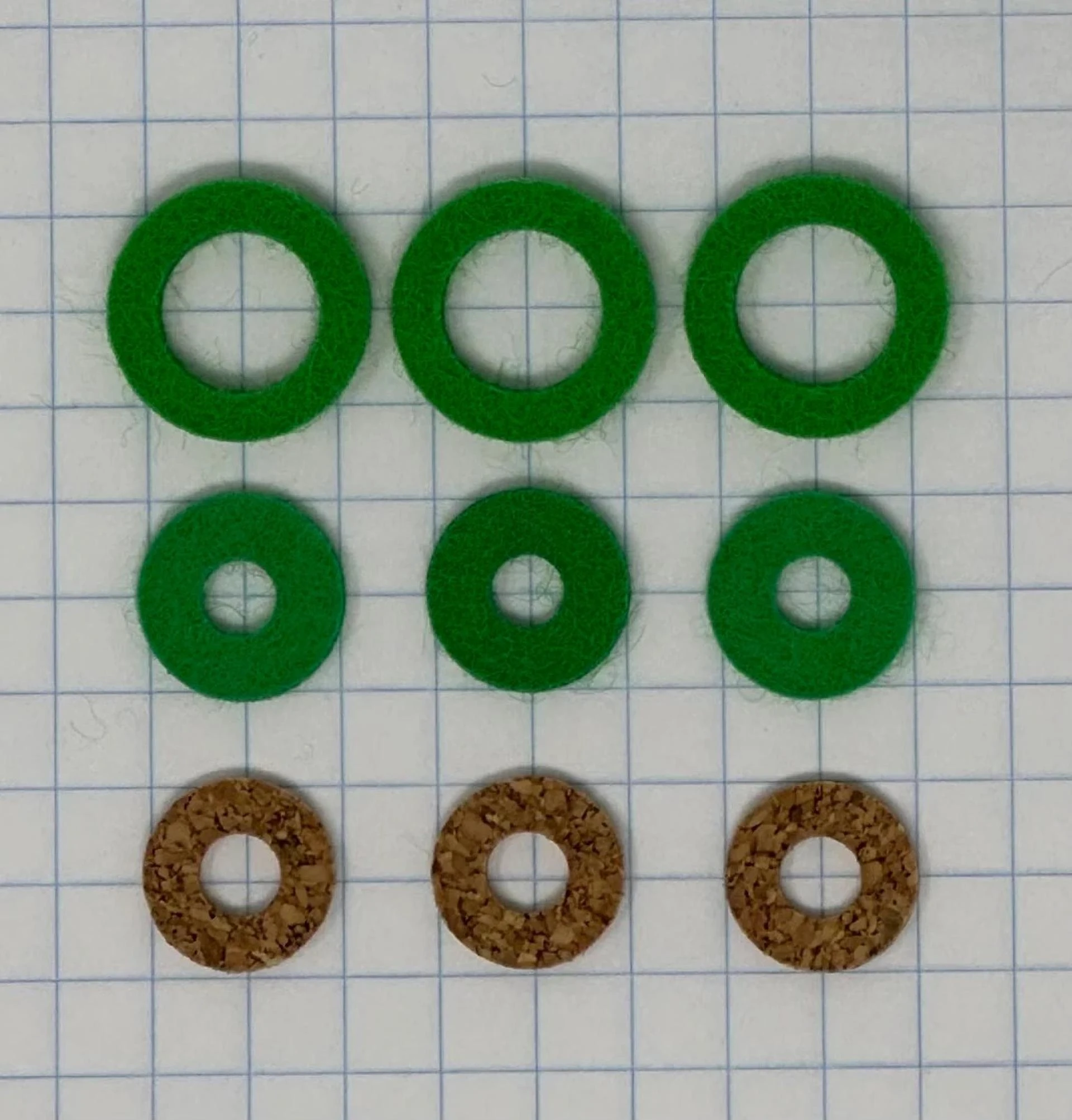
It happens to almost every brass player at some point in their musical journey. You are practicing daily, your breathing technique is solid, and your embouchure is strong, yet your horn suddenly feels sluggish. The tone might lack its usual resonance, or the upper register feels unnecessarily difficult to hit. Before you start blaming your own skills or assume it is time to spend thousands of dollars on a brand-new instrument, it is crucial to look at the condition of your brass instrument parts. The reality is that the secret to a professional, effortless sound often lies in regularly updating your setup with high-quality brass replacement parts.
The Hidden Mechanics of Your Horn
Brass instruments are mechanical marvels, operating on incredibly tight tolerances. Every time you press a valve or adjust a tuning slide, metal rubs against metal. Over time, daily wear and tear naturally breaks down the microscopic precision of these mechanisms. Saliva and moisture also take their toll, slowly degrading the internal integrity of the horn.
When these minor degradations occur, the airtight seal within the instrument is severely compromised. Even a tiny air leak caused by a worn-out water key cork or a degraded valve guide can drastically alter the backpressure of the horn. This makes it physically exhausting to play and completely ruins your intonation. Understanding how these internal brass instrument parts function together is the first step toward reclaiming your original, pristine sound.
3 Reasons Why Upgrading is Better Than Replacing
Experienced professionals and repair technicians prioritize sourcing high-quality hardware rather than constantly buying new horns. They understand that an instrument is only as good as its weakest component. Here is why upgrading is the smarter choice:
- Restores Factory-Fresh Action: Swapping out elements like valve springs, felts, and guides completely restores the mechanical action. Your valves will bounce back with lightning speed, and your slides will move with glassy smoothness.
- Saves Thousands of Dollars: A minor investment in fresh springs or precisely machined valve stems can literally make a twenty-year-old student trumpet feel like a custom-built professional model, saving you from a massive purchase.
- Prevents Mid-Performance Disasters: Waiting until a part completely fails during a gig is a risk no serious musician takes. Proactive maintenance ensures absolute reliability when you are on stage.
Customizing Your Sound with Precision Hardware
Beyond basic repairs, upgrading components is also the ultimate way to customize your sound. Advanced players rarely stick with the standard stock setup that came out of the box. By experimenting with heavier bottom valve caps or precision-machined tuning slides, you can actually manipulate the acoustic properties of the horn.
Premium brass replacement parts can help darken your overall tone, provide a much more solid core to your sound, and improve slotting on difficult, high-register notes. It is a highly effective way to tailor the instrument to your specific playing style. Whether you need a bright, piercing lead sound for a jazz ensemble or a dark, warm tone for a symphony orchestra, swapping out standard parts gives you total control over your acoustic footprint.
Conclusion
Ultimately, proactive maintenance and strategic upgrades are what separate amateur players from seasoned professionals. By keeping a close eye on the condition of your gear and investing in precision-engineered components, you extend the life of your instrument by decades.
For those ready to elevate their playing experience and restore their instrument's true potential, building a relationship with a reliable supplier is absolutely essential. Sourcing from dedicated catalogs like Tope Band Supply offers the exact professional-grade hardware required to keep your horn performing flawlessly. You can explore their comprehensive collection of brass replacement parts to find the exact upgrades you need, ensuring your sound never has to suffer due to outdated or failing mechanics.