
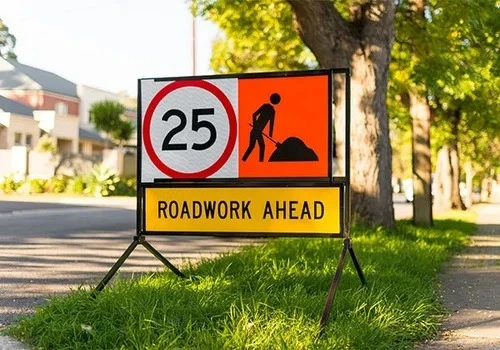
Construction and infrastructure projects are essential for growth and development, but they often disrupt normal traffic flow. Without proper planning, these disruptions can lead to congestion, safety hazards, and regulatory penalties. That’s why implementing a professionally prepared traffic strategy is critical before any work begins.
A well-designed TMP Traffic Management Plan ensures the safety of workers, pedestrians, and motorists while keeping projects compliant with local regulations. It also helps maintain smooth traffic movement, minimizing delays and frustration for the public.
What Is a Traffic Management Plan?
A traffic management plan outlines how vehicle and pedestrian movement will be safely controlled during construction or maintenance activities. It includes signage placement, lane closures, detours, speed reductions, and safety buffer zones.
Professional providers like OnPoint TGS Plans develop detailed documentation that aligns with council guidelines and state requirements. These plans are tailored to each project’s scope, location, and duration to ensure both safety and efficiency.
A comprehensive TMP typically covers:
- Risk assessments
- Traffic control device placement
- Work zone layouts
- Emergency access planning
- Pedestrian safety considerations
By addressing these elements, project managers can prevent accidents and costly delays.
The Role of Traffic Guidance Schemes
A key component of any traffic plan is the traffic guidance scheme (TGS). This visual layout shows how traffic will be directed around or through a worksite. It ensures clarity for drivers and pedestrians while keeping workers protected.
Specialized services such as TGS Melbourne focus on creating compliant, easy-to-follow traffic guidance diagrams that meet regional standards. These schemes detail lane diversions, signage positioning, and traffic controller placements.
Properly designed traffic guidance schemes:
- Improve worksite safety
- Reduce confusion for motorists
- Maintain consistent traffic flow
- Help secure faster project approvals
Without a clear TGS, even small roadworks can cause significant disruption.
Understanding Traffic Control Plan Costs
Budget planning is a critical part of any construction project. Many project managers ask about the Traffic Control Plan Cost and what factors influence pricing.
The cost of a traffic control plan can vary depending on:
- Project size and duration
- Road classification and traffic volume
- Number of lane closures or detours required
- Level of risk assessment involved
- Complexity of council approval processes
Detailed information about Traffic Control Plan Cost helps businesses understand what to expect and plan accordingly. While professional traffic planning involves an upfront investment, it significantly reduces the risk of fines, delays, and safety incidents—making it a cost-effective decision in the long run.
The Importance of Swept Path Analysis
Large construction vehicles, delivery trucks, and heavy machinery require sufficient turning space to operate safely. Without proper analysis, vehicles may encroach on opposing lanes, curbs, or pedestrian areas.
Services like swept path analysis australia evaluate vehicle turning movements using advanced modeling tools. This analysis ensures that site access points and temporary road layouts can safely accommodate the largest vehicles expected on-site.
Swept path analysis is particularly important for:
- Urban construction sites
- Commercial developments
- Road upgrades and intersections
- Industrial facility access planning
By identifying potential access issues early, project teams can adjust layouts before construction begins.
Compliance and Safety Standards
In Australia, traffic management is governed by strict safety regulations and local council guidelines. Failing to meet these requirements can result in project shutdowns, penalties, or liability issues.
A professionally prepared TMP ensures compliance with:
- State road authority standards
- Workplace health and safety regulations
- Local council traffic management policies
- Environmental and community impact considerations
Having an expert team manage documentation and approvals reduces administrative burden and helps projects proceed smoothly.
Minimizing Public Disruption
Construction projects often occur in high-traffic areas where businesses, residents, and commuters rely on consistent road access. Poorly planned traffic control can damage public perception and inconvenience local communities.
An effective traffic management strategy aims to:
- Maintain clear detour signage
- Provide safe pedestrian pathways
- Minimize peak-hour disruptions
- Communicate clearly with affected stakeholders
By prioritizing public convenience and safety, project managers can build trust and reduce complaints.
Choosing the Right Traffic Management Partner
Traffic planning requires technical expertise, regulatory knowledge, and practical experience. Partnering with a reliable provider ensures that every aspect of your project’s traffic requirements is professionally handled.
Whether you need a detailed TMP, traffic guidance scheme, cost assessment, or swept path analysis, working with experienced professionals ensures accuracy and compliance from start to finish.
Final Thoughts
Traffic management is not just a regulatory requirement—it’s a fundamental component of project success. A well-prepared plan protects workers, drivers, and pedestrians while ensuring projects remain on schedule and within budget.
From detailed traffic guidance schemes to comprehensive swept path analysis, investing in professional planning reduces risk and enhances operational efficiency. When safety, compliance, and efficiency matter, a properly designed traffic management strategy makes all the difference.