
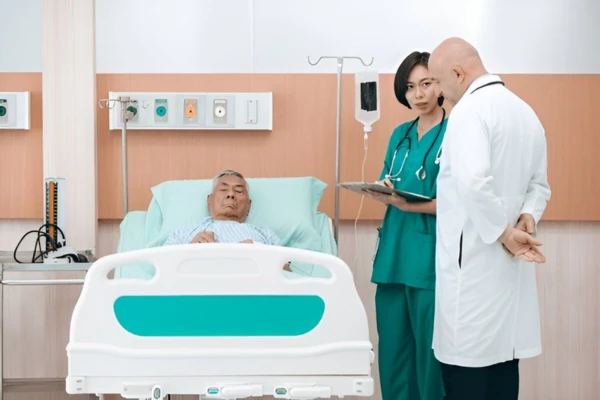
Emergency departments (EDs) are among the busiest and most high-pressure environments in healthcare. Physicians and nurses face constant demands, from critical interventions to managing patient flow, all while ensuring accurate documentation. In such a setting, every second counts. This is where a dedicated emergency department scribe becomes invaluable. By supporting physicians with real-time documentation, scribes streamline workflow, reduce errors, and enhance patient care. This blog explores why every busy emergency department should consider investing in a dedicated scribe.
The Challenge of Emergency Department Documentation
Emergency departments are fast-paced, unpredictable, and high-stakes. Physicians must juggle multiple tasks simultaneously:
- Diagnosing and treating patients quickly
- Responding to life-threatening emergencies
- Communicating with patients, families, and other healthcare providers
- Documenting each patient encounter accurately
While Electronic Health Records (EHRs) have streamlined some documentation processes, many physicians still spend a significant portion of their shift typing notes instead of focusing on patient care. Delayed or incomplete documentation can lead to:
- Medical errors or omissions
- Increased physician stress and burnout
- Delays in patient care
- Billing and compliance issues
This is where a dedicated scribe proves to be a game-changer.
How a Dedicated Scribe Supports the Emergency Department
A dedicated scribe works alongside physicians, recording patient encounters in real-time. Their role goes beyond typing notes—they act as an extension of the physician, allowing healthcare providers to focus on patients. Key benefits include:
1. Improved Efficiency and Patient Flow
By documenting encounters as they happen, scribes free physicians from the administrative burden of charting. This allows doctors to:
- See more patients in less time
- Respond faster to critical emergencies
- Maintain a smooth patient flow in a crowded ED
An efficient workflow not only improves patient satisfaction but also helps the department operate at maximum capacity.
2. Enhanced Accuracy of Medical Records
Real-time documentation ensures that every detail is captured accurately, from patient history and vital signs to orders and test results. Accurate medical records are essential for:
- Clinical decision-making
- Legal protection
- Regulatory compliance
- Correct billing and coding
A dedicated scribe reduces the risk of errors that can occur when physicians try to document after a busy shift.
3. Reducing Physician Burnout
Physician burnout is a major concern in emergency medicine. Long hours and administrative tasks contribute significantly to stress. By handling documentation, scribes help physicians:
- Focus on patient care
- Reduce clerical workload
- Improve work-life balance
Studies show that physicians working with scribes report higher job satisfaction and lower stress levels, which translates into better care for patients.
4. Supporting HIPAA Compliance
Emergency departments handle sensitive patient information that must be protected under HIPAA regulations. Dedicated scribes are trained to:
- Handle patient data securely
- Maintain confidentiality during documentation
- Ensure proper storage and transmission of records
This reduces the risk of accidental data breaches and strengthens the hospital’s compliance posture.
5. Facilitating Teaching and Collaboration
In academic hospitals, scribes play an additional role by supporting physicians in training. They allow attending physicians to focus on mentoring residents and medical students while ensuring that patient documentation remains complete and accurate. Scribes also facilitate collaboration among the healthcare team by keeping records updated in real-time.
Real-Life Impact of ER Scribes
Consider a busy urban emergency department that sees hundreds of patients daily. Before hiring scribes, physicians struggled to complete charts at the end of their shifts, leading to incomplete documentation and delays in billing. After integrating dedicated scribes into the workflow:
- Patient throughput increased significantly
- Charting errors decreased
- Physician satisfaction improved
- The department experienced smoother operations even during peak hours
These results demonstrate the tangible benefits of investing in a dedicated scribe in a high-volume hospital.
The Future of Dedicated ER Scribes
With technological advancements in digital charting and AI-assisted documentation, scribes are evolving beyond traditional note-taking. Modern ER scribes:
- Work seamlessly with EHRs and digital tools
- Assist in coding and compliance checks
- Use predictive documentation tools to improve accuracy
This combination of human expertise and technology ensures that scribes remain indispensable to busy emergency departments.
Conclusion
Every busy emergency department can benefit from a dedicated scribe. By improving efficiency, enhancing accuracy, reducing physician burnout, and supporting compliance, scribes allow physicians to focus on what they do best: providing life-saving patient care.
Investing in a dedicated scribe is not just an administrative decision—it is a strategic move that strengthens the entire emergency department, improves patient outcomes, and ensures that healthcare providers can operate at their highest potential. In the high-stakes environment of an ED, a dedicated scribe is not a luxury; it is a necessity.