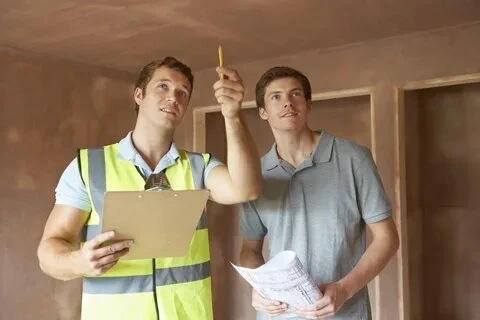
Purchasing a brand-new home is an exciting milestone. The walls are freshly painted, the flooring gleams, the appliances are unused, and there’s no sign of wear or previous ownership. Everything looks perfect—so why would you need an inspection?
The answer is simple: even newly constructed homes can have flaws. And not just minor ones—serious issues like faulty wiring, improper drainage, plumbing leaks, or roofing mistakes are more common in new builds than many homebuyers realize. That’s why hiring a third-party inspector is just as important for a new home as it is for an older one.
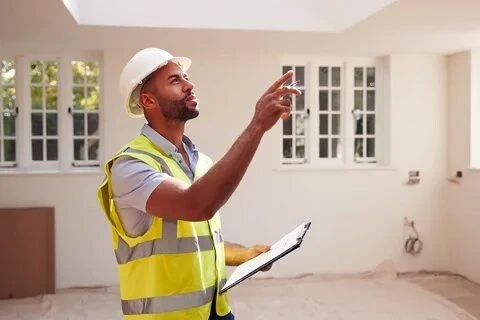
The Myth of Perfection in New Construction
Many first-time buyers assume that because a home is brand new, it must be defect-free. After all, it was just built by professionals, right?
But here’s the reality: home construction involves multiple subcontractors, tight deadlines, and, in some cases, rushed work due to high demand in the housing market. Electricians, plumbers, HVAC installers, framers, and roofers may not always coordinate perfectly. Sometimes corners are cut. Sometimes communication breaks down. And sometimes quality control is simply overlooked.
Builders typically perform their own final walkthroughs and municipal inspections are required—but these are often limited in scope and rushed due to volume. A third-party inspection brings an extra layer of protection.
What a Third-Party Inspection Includes
A third-party inspector conducts a comprehensive evaluation of the entire home, from the foundation to the roof. These inspections typically include:
- Structural integrity (framing, foundation, flooring)
- Plumbing systems and connections
- Electrical panel, outlets, and wiring
- HVAC system and ductwork
- Windows, doors, and seals
- Appliances and fixtures
- Drainage and grading
- Roofing and attic ventilation
Many inspectors also provide thermal imaging to detect hidden leaks, insulation gaps, or electrical hot spots.
Hiring a reputable inspector gives you a detailed, unbiased report that you can use to request repairs from the builder—before your warranty expires or problems get worse.
Finding Trusted Experts for New Home Evaluations
When you’re searching for someone to conduct a proper evaluation, generic searches may yield dozens of results. It’s important to find a specialist who understands the unique needs of new construction inspections.
That’s where searches like “new build inspection services near me” become extremely valuable. These professionals focus specifically on newly built homes and are trained to identify common issues that arise during construction.
Unlike general home inspectors who focus on aging systems or wear and tear, new build inspectors look for installation errors, code violations, and craftsmanship shortcuts that might go unnoticed until they cause damage. Many also offer phased inspections—checking the home at different stages during construction, such as:
- Pre-pour (foundation)
- Pre-drywall (framing, plumbing, and electrical)
- Final walk-through (before closing)
Hiring one early in the process can help catch and correct issues before they’re covered up by drywall or paint.
Don’t Forget the Roof: It’s New, But Is It Right?
The roof is one of the most critical components of any home—and one of the most common areas for mistakes in new construction. Misaligned shingles, improper flashing, poorly sealed vents, or incomplete underlayment can all lead to leaks, mold, and premature failure.
While most home inspectors do check the roof from the ground or with a drone, it’s often worth hiring a roof inspector in my area who specializes in roofing systems. A roofing professional can access hard-to-see areas, identify flashing or sealing issues, and ensure proper drainage from gutters and downspouts.
If your roof has problems, you’ll want to know before your builder’s warranty expires—and definitely before the first heavy rain or snowstorm.
How Builders Typically Handle Repairs
One of the advantages of discovering issues before move-in is that most builders offer a warranty (often 1 year) to cover workmanship defects. If your inspection uncovers problems, you can typically request that the builder address them at no additional cost.
Without that inspection, however, problems may remain hidden until it’s too late. Repairs after warranty expiration are your responsibility—and can be costly. An $800 inspection now could save you thousands in repairs for roofing, plumbing, or structural issues down the line.
What If the Home Passes the Inspection?
If your third-party inspection reveals little to no issues, that's great! You’ve just bought peace of mind—and documented proof that your builder did the job right. This report can also be helpful when it’s time to sell, showing future buyers that your home was inspected from day one.
But more often than not, even new homes reveal a list of items that need to be corrected: poorly installed outlets, misaligned doors, leaking pipes, or HVAC systems not calibrated correctly. Fixing these before move-in is far easier than once you're settled.
When to Schedule Your New Build Inspection
The best time to schedule your inspection is before your final walk-through with the builder—usually about a week before closing. That gives you time to review the inspection report, submit a list of items that need fixing, and have them addressed before you move in.
You can also schedule a follow-up inspection at the 10- or 11-month mark, just before your warranty ends, to catch any issues that developed during the first year of occupancy.
Final Thoughts
Just because a home is new doesn’t mean it’s flawless. In fact, some of the most expensive repair issues stem from small, unnoticed mistakes made during construction. A third-party inspection is your opportunity to catch problems early, ensure your builder honors their commitments, and start your life in your new home with complete confidence.
Whether you're building from scratch or buying a spec home, don’t skip this step. You’re not just checking boxes—you’re protecting your investment for years to come.