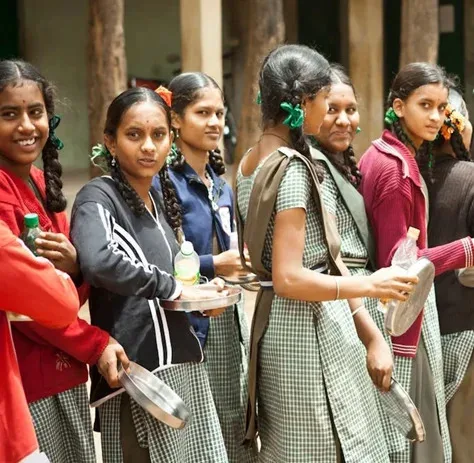
Enrolling a child in school does not guarantee that the child will learn, stay enrolled or feel supported. Many families across India still struggle with costs, distance and a lack of guidance. This is where an Education NGO India steps in, working alongside schools and communities through child education and support programs that help children learn and thrive.
The Gap Between Access and Quality
The Right to Education Act, 2009 guarantees free and compulsory education for children aged 6 to 14, and policies such as NEP 2020 and Samagra Shiksha aim to improve schooling nationwide. Even so, children from low-income and rural families often face obstacles that policy alone cannot remove.
Common barriers include:
- Financial strain that pushes children toward work
- Limited learning support at home, especially for first-generation learners
- Gender bias that affects girls' continued schooling
- Weak infrastructure and fewer resources in remote areas
Why Education NGOs Matter
They Reach Children Others Miss
NGOs work at the grassroots level and build trust with families who may be hesitant about formal schooling. Local presence helps them identify out-of-school children and address the specific reason each one has stopped attending.
They Support Learning, Not Just Attendance
Quality education means a child can read, understand and apply what they learn. Education NGOs often provide:
- Remedial and bridge classes for children who have fallen behind
- Foundational literacy and numeracy support
- Mentoring and safe study spaces
They Reduce the Cost Burden
Scholarships, books, uniforms and stationery ease the financial pressure on families. This makes it easier for a child to continue studying instead of dropping out.
Beyond the Classroom: Child Support Programs
A child who is hungry, unwell or stressed cannot learn well. Strong child education and support programs therefore look at the whole child:
- Awareness on health, hygiene and nutrition
- Life skills such as communication and confidence
- Basic digital literacy for a changing world
- Counselling and guidance for students and parents
What Makes a Program Effective
If you plan to support or partner with an organisation, look for these signs:
- Community involvement: Parents, teachers and local leaders take part.
- Long-term tracking: Children are followed over the years, not just at enrollment.
- Transparency: Clear reporting on programs and the use of funds.
- Collaboration: Work that complements government schemes rather than duplicating them.
Challenges and Practical Solutions
NGOs also face hurdles, including limited funding, reaching remote areas and changing family attitudes. These are addressed through steady community engagement, local volunteers, partnerships with schools and consistent follow-up with families.
Frequently Asked Questions
1. What does an education NGO do?
It helps children access schooling and learning support, and offers scholarships and guidance.
2. How are NGOs different from government schools?
NGOs complement the system by offering extra support, such as remedial classes and material assistance.
3. Who can benefit from child education and support programs?
Mainly children from low-income, rural or marginalised families.
4. Do these programs help girls specifically?
Many do, through awareness work and support that encourages girls to continue their education.
5. How can I choose a trustworthy education NGO?
Check its registration, annual reports, program details and how openly it shares its work.
6. Can individuals contribute without donating money?
Yes. Volunteering time for tutoring, mentoring or awareness activities is often welcome.
Conclusion
Education NGOs help turn the promise of schooling into real learning and security for children. By combining academic help, material support and community trust, they make it possible for children to stay in school and plan for the future.
Ready to help? Connect with Sashaktikaran to learn about our child education and support programs, volunteer, or support a child's learning journey.