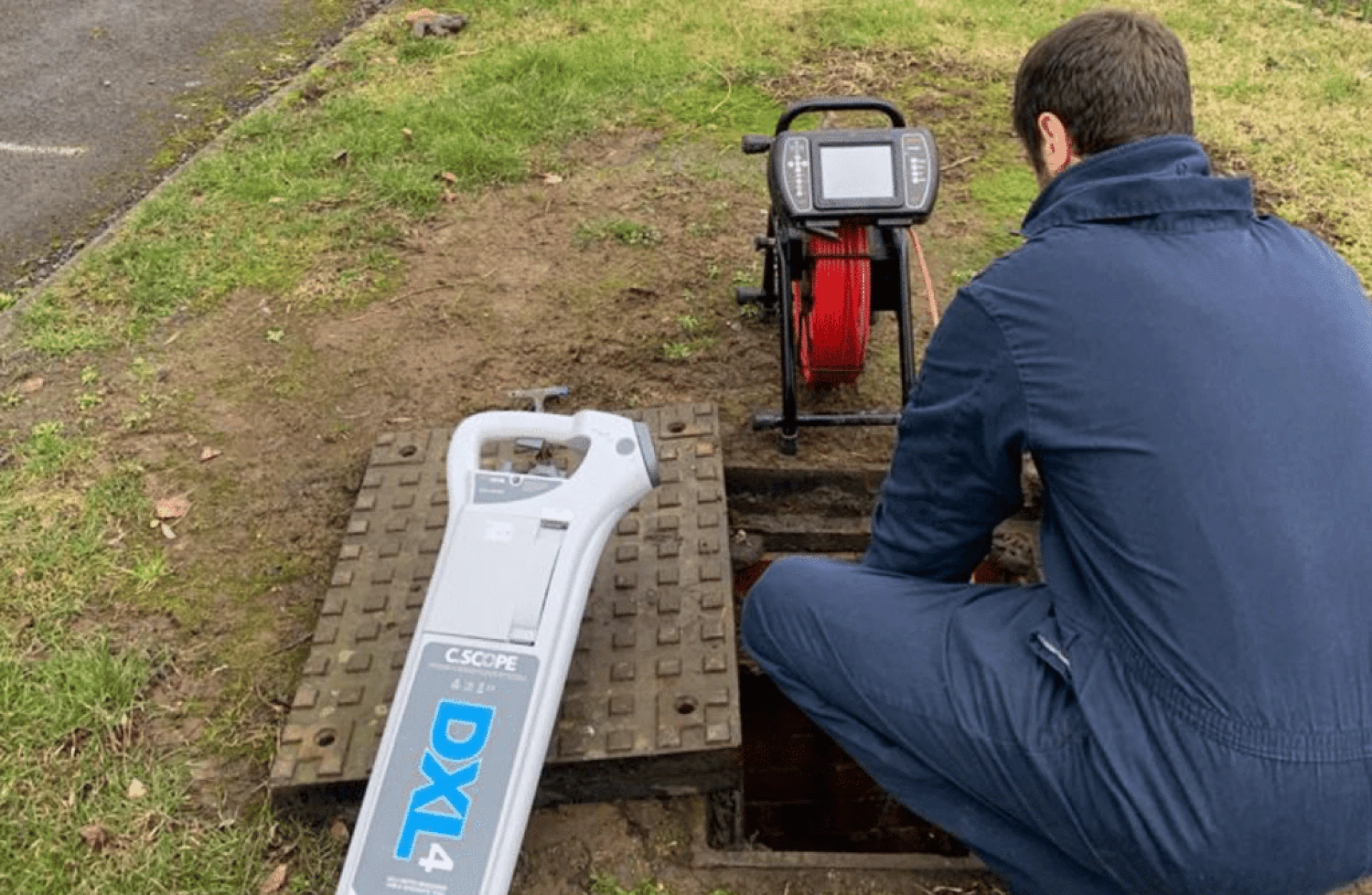
Drainage infrastructure plays a decisive role in maintaining structural stability, operational efficiency, and regulatory compliance within modern commercial facilities. Yet, many organizations overlook underground systems because problems remain invisible until failures occur. Blockages, pipe deterioration, and hidden structural weaknesses can quietly disrupt operations, damage property, and increase maintenance costs. This is why commercial drainage survey has become a critical component of long-term facility management. These assessments provide accurate insights into pipe condition, flow performance, and potential risks before they escalate.
Understanding the strategic importance of drainage evaluation allows businesses to protect infrastructure performance while strengthening reliability, safety, and long-term operational continuity for future growth.
Strengthening Structural Integrity Through Preventive Insight
Proactive inspection strengthens resilience, ensuring infrastructure performs reliably under long-term operational and environmental pressures across diverse facility environments.
- Early defect identification: Minor fractures, corrosion, and joint displacement often develop silently inside pipelines. Identifying these weaknesses early prevents water infiltration into the surrounding soil and foundations. Timely detection protects structural components from erosion, preserves building stability, and ensures that hidden deterioration does not compromise long-term facility safety and integrity.
- Prevention of foundation stress: Undetected drainage failures can saturate soil, causing shifting, settlement, or uneven load distribution. Continuous exposure to excess moisture weakens structural support zones. Preventive assessment allows corrective action before these conditions threaten structural integrity, helping facilities avoid major reconstruction expenses and operational risk over extended periods.
- Protection of surface infrastructure: Drainage weaknesses beneath floors, parking areas, or access roads can lead to surface cracks and costly restoration. Early evaluation highlights vulnerable zones and enables reinforcement planning. This ensures that visible infrastructure remains safe, functional, and capable of supporting ongoing operational demands without structural compromise risks.
Enabling Predictable Maintenance and Budget Control
Strategic maintenance planning enhances cost visibility, strengthens asset management discipline, and supports sustainable long-term operational financial performance outcomes across facilities.
- Accurate maintenance forecasting: Detailed condition analysis allows facility managers to anticipate repair needs based on actual system performance rather than assumptions. Predictive planning reduces reactive spending, improves maintenance scheduling, and ensures financial resources are allocated efficiently to prevent sudden operational disruptions and maintain long-term budget stability and control.
- Reduced emergency expenditure: Unexpected drainage failures often require urgent intervention, specialized equipment, and operational shutdowns. Preventive assessment minimizes the likelihood of sudden breakdowns. This proactive approach protects financial planning, reduces emergency service costs, and ensures continuity without unplanned financial strain or disruptive maintenance resource allocation challenges later on.
- Extended infrastructure lifespan: Consistent monitoring prevents minor issues from accelerating material deterioration. Timely intervention preserves pipe integrity and ensures systems operate within optimal performance limits. Extending infrastructure lifespan reduces replacement frequency, allowing organizations to maximize return on infrastructure investment while maintaining service reliability across operational environments and cycles.
Supporting Regulatory Compliance and Risk Mitigation
Effective inspection strengthens compliance confidence and ensures infrastructure aligns with evolving regulatory and environmental operational expectations across industries.
- Compliance verification assurance: Drainage systems must meet established engineering and environmental standards to avoid regulatory violations. Professional inspection provides documented evidence of system condition, supporting compliance verification and demonstrating responsible facility management practices during audits or regulatory reviews, and ensures alignment with applicable infrastructure safety requirements and policies.
- Prevention of environmental hazards: Leaks or blockages can release contaminants into the surrounding soil or water systems. Early identification prevents environmental damage and protects public health. Preventive assessment ensures drainage infrastructure operates responsibly, reducing environmental risk exposure and supporting sustainable operational standards, and maintaining compliance with environmental protection regulations globally.
- Reduction of liability exposure: Infrastructure failures can lead to property damage, safety hazards, and legal consequences. Proactive evaluation demonstrates responsible asset management and due diligence. This reduces liability exposure and protects organizations from financial and reputational harm associated with preventable drainage failures and strengthens operational risk governance frameworks overall.
Enhancing Operational Reliability and Business Continuity
Commercial drainage survey ensures facilities operate smoothly, protecting performance stability and uninterrupted service delivery expectations everywhere reliably.
- Prevention of operational disruptions: Blocked or damaged drains can interrupt essential facility functions, affecting productivity and service delivery. Early inspection ensures drainage systems remain functional and dependable. Preventive action protects operational continuity, allowing businesses to maintain consistent performance without unexpected interruptions or costly downtime events affecting operational commitments significantly.
- Protection of internal environments: Drainage failures can introduce odors, moisture, and contamination into workspaces. These conditions affect employee comfort and operational efficiency. Early detection preserves healthy indoor environments and ensures facilities remain safe, functional, and supportive of productive activities without discomfort or operational performance disruptions affecting workforce productivity levels.
- Assurance of service reliability: Reliable drainage infrastructure supports uninterrupted operations across all facility functions. Consistent inspection identifies weaknesses before they affect performance. This ensures that systems continue functioning efficiently, protecting productivity, safety, and overall business reliability without service interruptions or unexpected performance degradation affecting critical processes and daily operations continuity.
Delivering Data-Driven Decision Support for Facility Leadership
Data transparency strengthens leadership control, enabling proactive infrastructure management and confident long-term facility performance planning outcomes across organizations.
- Evidence-based infrastructure planning: Inspection findings provide accurate data on system condition, enabling informed infrastructure planning. Facility leaders can prioritize upgrades, allocate resources strategically, and implement improvements aligned with operational goals and long-term performance requirements, ensuring efficient infrastructure investment planning and sustained operational value across facility environments globally today.
- Strategic resource allocation: Accurate infrastructure insights allow decision makers to focus resources where they deliver maximum impact. Targeted investments improve performance, reduce inefficiencies, and strengthen long-term infrastructure reliability while supporting business growth objectives through informed maintenance prioritization and operational planning decisions that enhance facility performance sustainability continuously overall.
- Improved executive decision confidence: Reliable inspection data reduces uncertainty and strengthens leadership confidence when planning infrastructure strategies. Clear visibility into system performance allows leaders to make decisions that improve efficiency, protect assets, and ensure sustainable facility performance through accurate risk identification and proactive infrastructure management planning decisions today globally.
Conclusion
Long-term facility performance depends on proactive infrastructure evaluation, accurate diagnostics, and informed maintenance planning. Commercial CCTV drain surveys in Dubai provide the clarity required to prevent structural risks, reduce operational disruptions, and strengthen financial control.
By investing in preventive inspection from JB ALLO Sewage, organizations protect infrastructure reliability, improve compliance readiness, and ensure sustainable operational performance. This strategic approach allows facilities to operate confidently, knowing their drainage infrastructure supports consistent performance, safety, and business continuity globally.