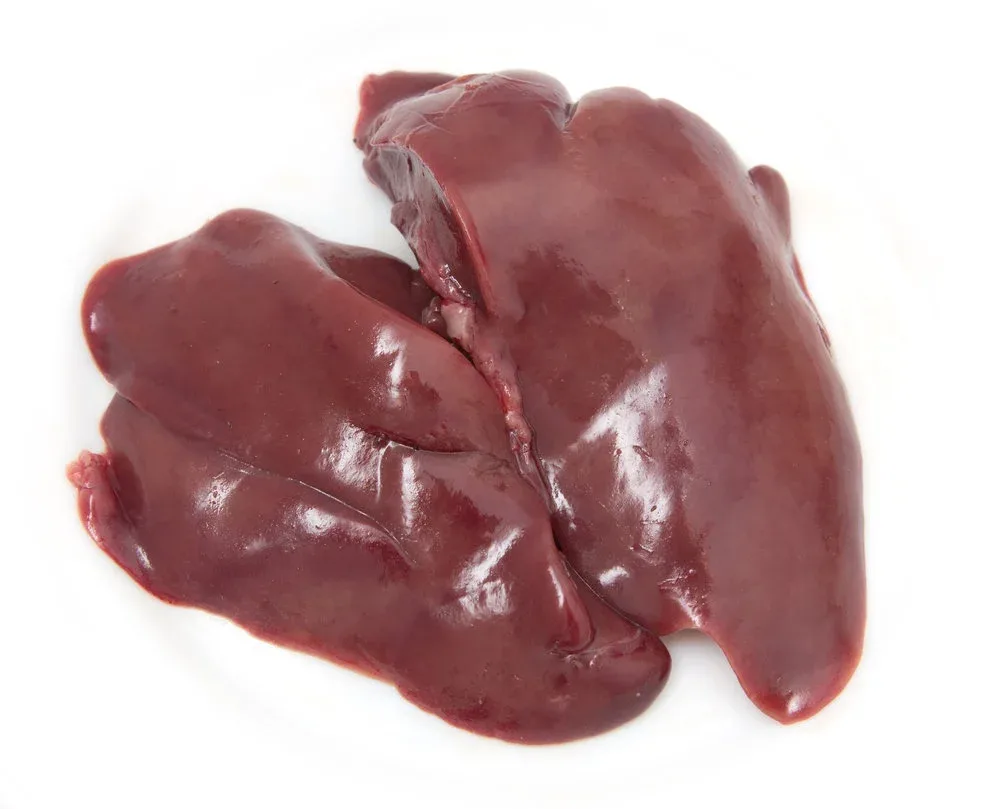
I have been around raw feeding long enough to know that most dog owners get one thing backwards straight away. They think meat is meat. Toss some chicken breast in a bowl, call it a day, done. Except it isn't that simple, and honestly, it's one of the reasons so many raw diets end up unbalanced without the owner ever knowing why their dog's coat looks dull or their stool is a mess. So let's actually talk about muscle meat for dogs, what it does, why raw chicken necks for puppies keep coming up in every serious feeding guide, and how you put it all together without overthinking it into the ground.
What Exactly Counts As Muscle Meat For Dogs?
Muscle meat is, well, the meat. The stuff you and I would eat off a chicken thigh or a beef roast. Not organs, not bone, not fat trimmings — the actual muscle tissue. Think chicken breast, beef chuck, turkey thigh, lamb shoulder, that kind of thing. It's the backbone of any raw or fresh feeding plan, and it should make up the biggest chunk of what's in your dog's bowl most days. Dogs evolved eating prey animals whole, and muscle made up a huge portion of that prey. So when we say muscle meat for dogs is essential, we're not being trendy about it, we're just pointing back at biology that's been true for thousands of years.
Why Protein From Muscle Meat Matters So Much
Here's the thing people skip past. Muscle meat isn't just protein, it's a specific kind of protein packed with amino acids dogs can't make on their own. Taurine, for one — dogs need it for heart function, and some breeds are more prone to deficiency than others. Muscle tissue also carries B vitamins, iron in a form the body actually absorbs well, and a decent dose of zinc. A kibble bag might list "34% protein" on the front, but processed protein isn't the same as fresh muscle tissue that hasn't been cooked at high heat three separate times. I'm not saying kibble is evil, I'm saying there's a real nutritional gap, and raw or fresh muscle meat closes it.
Raw Chicken Necks For Puppies — Where They Fit In
Now here's where a lot of new raw feeders get nervous. Chicken necks. Bones. For a puppy. Sounds risky if you've never done it before, I get that. But raw chicken necks for puppies are actually one of the safest and most useful things you can add to a growing dog's diet, and there's a good reason breeders and raw feeding vets recommend them so often. Raw bone, unlike cooked bone, is soft and pliable. It doesn't splinter the way a cooked chicken bone does. Puppies chewing on raw necks get calcium, phosphorus, and a workout for their jaw muscles, plus it helps keep teeth clean without you doing a thing.
The Calcium-Phosphorus Balance Nobody Talks About Enough
This part is honestly where most homemade diets go sideways. Muscle meat is high in phosphorus but low in calcium, and if a dog — especially a growing puppy — eats muscle meat without bone, the calcium-to-phosphorus ratio gets thrown way off. That imbalance over months can mess with bone development, and in puppies that's a bigger deal than in adult dogs because their skeletons are still forming fast. Raw chicken necks for puppies solve this problem almost by accident. They bring the calcium that balances out all that muscle meat protein, and they do it in a form that's easy to digest, unlike a calcium powder dumped on top of food which honestly dogs don't absorb the same way.
How Much Muscle Meat Should Be In The Bowl?
Rough rule most raw feeders use, and I say rough because every dog is different: about 70 to 80 percent of the raw diet should be muscle meat, with the rest split between bone, organ meat, and a small amount of extras like veggies or fish oil. It's not an exact science and your dog's weight, activity level, and age all shift those numbers around. A working dog burning calories all day needs more than a couch potato senior dog. Puppies need enough but not so much that they're getting more protein than their kidneys can comfortably process while still growing. Point is, muscle meat should dominate the bowl, but it shouldn't be the entire bowl.
Common Mistakes People Make Feeding Muscle Meat
I see this constantly. Owners feed nothing but chicken breast because it's cheap and easy to find, and their dog ends up on a diet that's basically all protein, almost no fat, and zero variety in nutrients. Muscle meat needs variety — beef, lamb, turkey, fish, whatever you can rotate in — because different meats bring different fatty acid profiles and micronutrients. Another mistake, feeding lean muscle meat only and skipping fattier cuts entirely, which can actually leave a dog undernourished on calories even while looking "healthy" on paper. And with puppies specifically, some owners skip raw chicken necks for puppies altogether out of fear, then wonder why their calcium balance is off at the vet checkup six months later.
Is Raw Muscle Meat Safe? Handling It The Right Way
Safety comes up a lot, and it should. Raw meat can carry bacteria, same as it can for us. The difference is a dog's digestive tract is shorter and more acidic, built to handle raw protein better than ours. Still, you want to source from a reputable supplier, keep meat frozen until use, thaw it properly in the fridge not on the counter, and wash your hands and surfaces like you would prepping any raw meat for a family dinner. For raw chicken necks for puppies specifically, always supervise the first few times a puppy chews one, just to see how they handle it and make sure they're chewing, not trying to swallow it whole.
Commercial Options If You Don't Want To DIY Everything
Not everyone has time to source, portion, and balance a raw diet from scratch every single week, and that's fine, honestly, most people don't. There are commercial raw and fresh food brands now doing the balancing work for you, with muscle meat, ground bone, and organ already portioned correctly. Some even sell raw chicken necks for puppies separately as a recreational chew or add-in, which is a solid middle ground if you're feeding kibble as a base but want to add real nutritional benefit on the side. Just read labels carefully — "meat meal" and "muscle meat" are not the same thing, and a lot of commercial food blurs that line more than it should.
Signs Your Dog Is Getting Enough Muscle Meat
You'll usually see it before you read it in any blood test. Coat gets shinier, less shedding in some dogs, muscle tone improves especially in dogs that were previously on a carb-heavy diet. Energy tends to stabilize too, less of that sugar-crash type behavior you sometimes see after a kibble meal. Stool quality is actually one of the best indicators — firmer, smaller, less smelly stool usually means the protein source is being digested well rather than passed through partially broken down. If you're not seeing any of that after a few weeks of adding more muscle meat, it might be worth checking the ratio or talking to your vet about what else could be going on.
Bringing It All Together For A Healthier Dog
At the end of the day, muscle meat for dogs isn't some fad, it's the foundation piece that most balanced canine diets are built around, raw or otherwise. Pair it with the right amount of bone — and yes, raw chicken necks for puppies really are one of the best ways to do that for a growing dog — plus some organ meat and a bit of variety, and you've got a diet that actually mirrors what a dog's body is built to run on. It doesn't need to be perfect on day one. Start slow, watch how your dog responds, adjust as you go. That's really all raw feeding is, paying attention and adjusting, not chasing some perfect formula off a chart.
Frequently Asked Questions
Is muscle meat enough on its own for a dog's diet?
No, not really. Muscle meat should be the biggest part of the diet, but dogs also need bone for calcium, organ meat for vitamins, and some fat and variety mixed in to stay properly balanced long term.
At what age can puppies start eating raw chicken necks?
Most raw feeders introduce raw chicken necks for puppies around eight to twelve weeks, once they've got teeth coming in and can chew properly, always supervised the first several times.
Can raw chicken bones splinter and hurt my dog?
Raw bones are much softer than cooked ones and generally don't splinter the same way. Cooked bones are the real danger. Raw, appropriately sized necks are considered safe when given under supervision.
How much muscle meat should I feed my dog daily?
A common guideline is roughly 2 to 3 percent of the dog's body weight per day in total food, with muscle meat making up around 70 to 80 percent of that.
Do raw chicken necks help with a puppy's teeth?
Yes, the chewing action helps scrape plaque off teeth naturally and gives puppies an outlet for teething discomfort, which is a nice side benefit on top of the nutritional value.