Cancer is one of the most discussed health conditions worldwide. With increasing awareness, people are now looking for answers to important questions like why cancer happens, what factors increase its risk, how it can be detected early, and what steps can support overall health during the cancer journey.
Cancer does not develop because of a single reason. It usually occurs due to a combination of genetic changes, lifestyle factors, environmental exposure, age-related changes, and other biological factors. Understanding these causes can help people make informed decisions about prevention, early detection, and supportive care.
What Is Cancer and How Does It Start?
The human body is made up of trillions of cells that continuously grow, divide, and replace old or damaged cells. Normally, this process is carefully controlled. However, when certain changes occur in the DNA of cells, some cells may start growing abnormally or fail to stop dividing when they should.
This uncontrolled growth of abnormal cells can lead to cancer. According to the National Cancer Institute, cancer develops when abnormal cells grow uncontrollably and may invade nearby tissues or spread to other parts of the body.
The question “cancer kaise hota hai?” does not have one simple answer. Different types of cancer may develop due to different risk factors, including inherited genetic changes, tobacco use, alcohol consumption, radiation exposure, infections, unhealthy lifestyle habits, and environmental factors.
Major Causes and Risk Factors of Cancer
1. Genetic Changes
Genes play an important role in controlling cell growth and division. Some genetic changes may be inherited from parents, while others can develop during a person’s lifetime due to aging or environmental influences.
Having a genetic change does not always mean a person will definitely develop cancer. It may only increase the risk depending on several other factors.
2. Lifestyle-Related Factors
Certain lifestyle habits are associated with a higher risk of developing some cancers. These include:
- Tobacco and smoking
- Excessive alcohol consumption
- Poor dietary habits
- Lack of physical activity
- Long-term unhealthy body weight
Maintaining a balanced lifestyle, staying physically active, and avoiding harmful habits may help reduce certain cancer risks.
3. Environmental Factors
Exposure to certain harmful substances, chemicals, pollution, and radiation may affect cells and increase cancer risk in some situations.
For example, tobacco smoke contains chemicals that can damage DNA, while ultraviolet radiation from the sun is linked with certain skin cancers.
However, exposure to a risk factor does not always mean cancer will develop. The duration of exposure, genetics, overall health, and other individual factors also play an important role.
Recognizing Early Warning Signs
Cancer symptoms can vary depending on the type and location of cancer. Some warning signs that should not be ignored include:
- Unexplained weight loss
- Persistent fatigue
- A new or unusual lump
- Changes in bowel or bladder habits
- Unusual bleeding
- Persistent cough or voice changes
- Changes in skin appearance
These symptoms do not always mean cancer, but persistent changes should be evaluated by a healthcare professional for proper guidance.
Understanding Integrated Cancer Care
Modern cancer care includes treatments such as surgery, chemotherapy, radiation therapy, targeted therapy, and immunotherapy depending on the cancer type and stage.
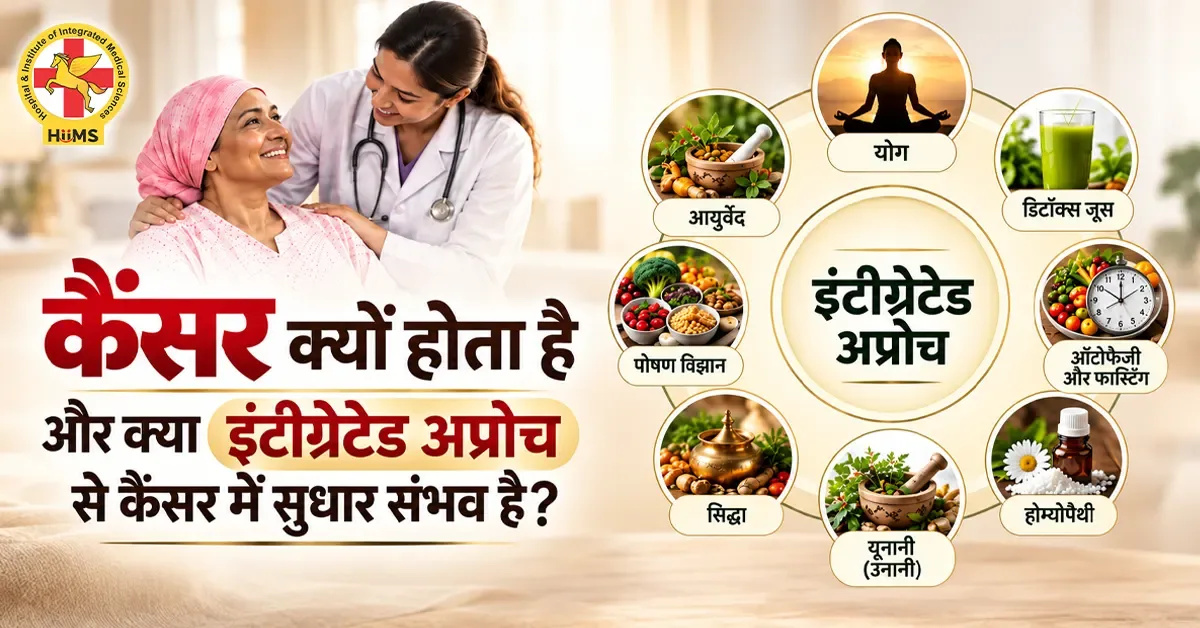
Along with medical treatment, an integrated approach focuses on supporting the overall well-being of the patient. It may include nutrition guidance, lifestyle management, yoga, meditation, stress management, and other supportive care methods according to individual needs.
Integrated cancer care does not mean replacing standard medical treatment. Instead, it aims to address different aspects of health, including physical strength, emotional well-being, nutrition, and quality of life during the treatment journey.
Role of Nutrition and Lifestyle Support
Cancer treatment can affect appetite, energy levels, and daily routine. Maintaining proper nutrition, hydration, sleep, and physical activity can play an important role in supporting overall health.
Some supportive practices that may be considered include:
- Personalized nutrition planning
- Stress management techniques
- Yoga and meditation
- Physical rehabilitation
- Lifestyle modifications
These approaches should always be planned according to the patient’s condition and under professional guidance.
Can Cancer Recovery Improve with an Integrated Approach?
Cancer outcomes depend on several factors, including cancer type, stage, location, overall health, and response to treatment. Some cancers can be successfully managed, especially when detected early, while advanced cancers may require long-term care focused on controlling disease and improving quality of life.
Research in integrative oncology has explored how nutrition, mind-body practices, lifestyle changes, and supportive therapies may complement conventional cancer care.
Every patient’s journey is different. Therefore, decisions regarding cancer treatment and supportive care should be made after discussing options with qualified healthcare professionals.
Final Thoughts
Understanding why cancer happens and recognizing risk factors can help people take proactive steps toward better health. Early evaluation of unusual symptoms, healthy lifestyle choices, and timely medical guidance are important parts of cancer care.
An integrated approach focuses on treating the patient as a whole by combining appropriate medical care with supportive strategies that may help improve overall well-being throughout the cancer journey.