
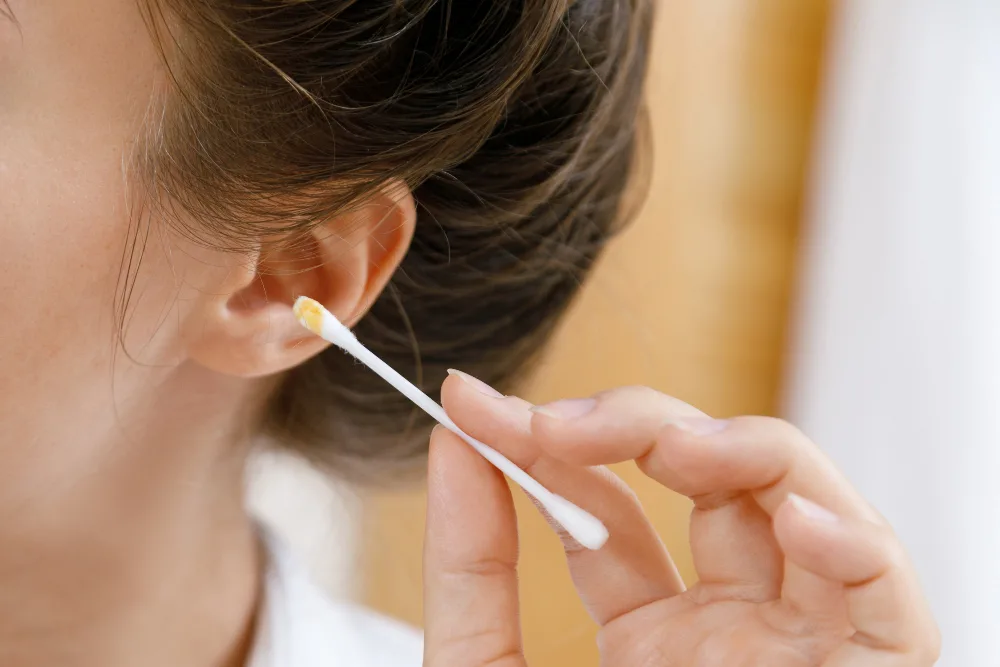
Earwax is often misunderstood. Many people assume it is simply a sign of poor hygiene, but in reality, it plays an essential role in protecting the ears. Interestingly, some individuals produce far more earwax than others. This difference is completely normal and is influenced by several factors, including genetics, lifestyle, and environment.
At Audiology Planet, patients often ask why their ears seem to produce more wax than others. Understanding the reasons behind this can help you manage your ear health more effectively.
What Is Earwax and Why Is It Important?
Earwax, also known as cerumen, is a natural substance produced by glands in the ear canal. It acts as a protective barrier by:
- Trapping dust, dirt, and small particles
- Preventing bacteria from entering the ear
- Keeping the ear canal moisturised
- Protecting the eardrum from damage
In most cases, earwax naturally moves out of the ear through jaw movements such as talking and chewing. This self-cleaning process means that the ears usually do not require manual cleaning.
Genetics: The Main Factor
One of the biggest reasons some people produce more earwax than others is genetics. The type and amount of earwax you produce are largely inherited.
There are generally two types of earwax:
- Wet earwax – sticky and yellow or brown in colour
- Dry earwax – flaky and lighter in colour
People with wet earwax often produce it in larger amounts. If your family members tend to have more earwax, it is likely that you will too. This is completely normal and not a cause for concern.
Overactive Glands in the Ear Canal
Some individuals have more active cerumen glands. These glands produce earwax at a faster rate, leading to quicker build-up.
This can result in symptoms such as:
- A blocked feeling in the ear
- Reduced or muffled hearing
- Occasional discomfort
If wax accumulates faster than the ear can naturally remove it, professional care may be needed. Clinics like Audiology Planet offer safe solutions to manage this effectively.
Lifestyle and Environmental Factors
Your daily environment can also affect how much earwax your body produces. People exposed to dusty, polluted, or dry conditions may experience increased wax production as the ear tries to protect itself.
Similarly, frequent use of earphones or hearing aids can stimulate the glands and slow down the natural cleaning process. This can lead to build-up over time.
For individuals using devices like hearing aids tunbridge wells, regular ear checks are especially important to maintain both ear health and device performance.
Age and Earwax Production
Age can influence earwax as well. As people grow older, earwax may become drier and harder, making it more likely to build up inside the ear canal.
Older adults are more likely to experience blockage, which can affect hearing clarity. Regular check-ups with the best audiologist Sevenoaks can help detect and manage these changes early.
The Impact of Cleaning Habits
Ironically, the way you clean your ears can actually increase earwax problems. Using cotton buds or inserting objects into the ear often pushes wax deeper, causing compaction.
This not only leads to more noticeable build-up but can also irritate the ear canal, prompting it to produce even more wax.
Seeking advice from the best audiologist Central London ensures that your ears are cleaned safely without causing further issues.
When Should You Be Concerned?
Producing more earwax is not usually a problem unless it causes symptoms. You should consider professional evaluation if you experience:
- Persistent blocked ears
- Hearing difficulty
- Ringing in the ears
- Ear discomfort or pressure
A proper assessment can determine whether the issue is due to wax or another underlying condition.
Managing Excess Earwax Safely
If you naturally produce more earwax, regular monitoring is key. Avoid home remedies that involve inserting objects into the ear. Instead, rely on professional care when needed.
At Audiology Planet, trained specialists provide safe and effective ear care tailored to your needs. Whether you require routine checks or expert advice, professional guidance ensures your ears remain healthy.
Final Thoughts
Earwax production varies from person to person, and producing more of it is often completely normal. Factors such as genetics, environment, age, and habits all play a role in how much wax your body creates.
Rather than trying to remove it yourself, focus on safe management and regular check-ups. With support from the best audiologist Sevenoaks and trusted experts at Audiology Planet, you can maintain clear hearing and healthy ears without unnecessary risk.
Understanding your ear health is the first step toward better hearing and long-term comfort.