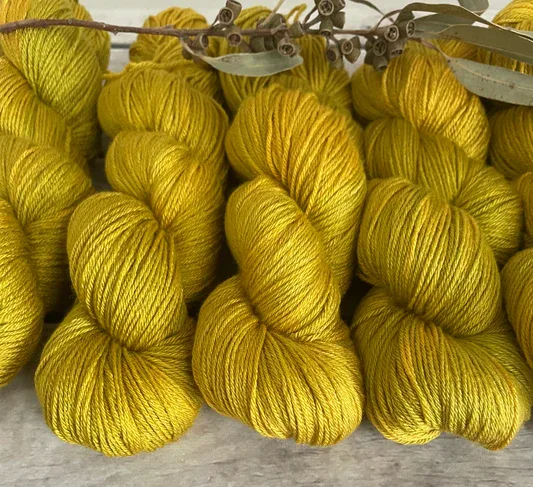
I'll be honest, my first run-in with silk yarn was a disaster. Cheap stuff, bought online from a seller I'd never heard of, and it split every time I tried to knit socks with it. That's what got me down the rabbit hole of figuring out what actually separates good silk from the junk flooding the market. Turns out, if you're after mullberry silk yarn Australia knitters swear by, there's a reason for the hype and it's not marketing fluff. Mulberry silk comes from silkworms fed exclusively on mulberry leaves, which sounds like a small detail but it changes everything about the fibre. The strands are longer, more uniform, and the sheen is something you notice the second you pick up a skein. Cheaper silk blends, by comparison, feel rough and dull under your fingers. You don't need to be an expert to feel the difference, honestly. Just touch both side by side and you'll know within seconds which one costs more for a reason.
What Makes Mulberry Silk Different From Other Silk Yarns
Not all silk is created equal, and that's something a lot of buyers don't realise until they've already wasted money. Wild silk, sometimes called tussah silk, comes from moths that eat a range of leaves, not just mulberry ones. The result is a coarser, more textured yarn with an uneven colour, which some people actually prefer for certain projects. But if you want that smooth, almost liquid drape, mulberry is the one you want. It's stronger too, gram for gram it outperforms a lot of natural fibres, which matters more than people think when you're working on something that gets worn and washed repeatedly, like socks or scarves. Australian suppliers sourcing genuine mulberry silk yarn tend to blend it with wool for exactly this reason, strength plus softness equals a yarn that survives real use instead of falling apart after three wears. I've knitted with both and the difference in how the finished piece holds up is night and day, no exaggeration.
Why Australians Are Turning To Local Silk Yarn Sellers
There's been a shift, and I think it's partly because people got sick of ordering from overseas and waiting six weeks for a parcel that might turn up damaged or, worse, not silk at all. Buying mulberry silk yarn Australia based means you're not gambling on customs delays or dodgy labelling laws that don't apply here. You can actually contact the seller, ask questions, maybe even visit a market stall if you're lucky enough to live near one. There's also a sustainability angle that a lot of local dyers lean into, smaller batch runs, less shipping emissions, and often more transparency about how the fibre was sourced. I'm not going to pretend every Aussie seller is perfect, some charge a premium just because they can, but the good ones justify it. You're paying for quality control and for someone who actually knows their fibre, not just reselling bulk stock they bought sight unseen from a wholesaler.

Hand Dyed Sock Yarn Deserves Its Own Conversation
Now here's where things get interesting, because silk on its own isn't always practical for socks. Pure silk is slippery, and honestly it doesn't have the elasticity you need for something that has to stretch around a heel all day. That's where hand dyed sock yarn comes in, usually a blend, often silk and superwash wool or nylon for durability. The hand dyeing part isn't just about looking pretty, though it definitely does that. Small batch dyers control the depth of colour and the way it pools or stripes when you knit it up, something mass production just can't replicate. I've got a pair of socks sitting in my drawer right now dyed in this deep plum colour that shifts almost purple in certain light, and no two skeins from that dyer are ever exactly the same. That's the appeal really, you're not buying something off a factory line, you're buying a small piece of someone's actual craft.
How To Tell Real Mulberry Silk From A Cheap Imitation
This is where a lot of buyers get burned, and I include myself in that group from years back. Real mulberry silk has a specific slippery, cool feel when you run it between your fingers, almost like it's alive in your hand, which sounds dramatic but it's the best way I can describe it. Fake or heavily blended silk feels flat, sometimes even slightly plasticky if there's synthetic fibre mixed in without disclosure. Burn testing is the old school method, real silk curls and smells like burnt hair, synthetic fibres melt and smell like plastic, but obviously don't go setting fire to yarn you haven't paid for yet. Ask the seller directly what percentage silk content is in the skein, reputable ones list this clearly, dodgy ones get vague or change the subject. If a mulberry silk yarn is priced suspiciously low compared to everything else on the market, that's usually your answer right there, nobody's selling premium fibre at bargain bin prices out of the goodness of their heart.
The Price Question Nobody Wants To Talk About Honestly
Silk isn't cheap, and I think sellers sometimes dance around this because they're worried about scaring customers off. But let's just say it plainly, mulberry silk yarn Australia wide typically costs more than standard wool or acrylic, sometimes double or triple depending on the blend and who's dyeing it. That's because the process of harvesting silk is labour intensive, there's no shortcut around that. What you're really paying for is durability and finish though, a well made silk blend sock yarn outlasts cheaper alternatives by years if you look after it properly. I used to balk at spending forty or fifty dollars on a single skein until I did the maths on how many pairs of cheap acrylic socks I'd worn through and tossed out. It evens out over time, maybe not immediately, but your wallet and the landfill both thank you eventually.
Caring For Silk Blend Yarn So It Actually Lasts
Nobody tells you this part until after you've already ruined something, so let's fix that now. Silk hates hot water, full stop, always wash cool or lukewarm, and skip the wringing, just press the water out gently between a towel. Sunlight will fade the colour on hand dyed sock yarn faster than you'd expect, so drying flat in shade is the way to go, not pegged out on the line in full sun like your bath towels. Moths love silk too, unfortunately, so store finished pieces somewhere sealed if you're not wearing them regularly, cedar blocks help but aren't foolproof. I learned the hard way that a cheap plastic tub with a loose lid is basically an open invitation for moths to have a feast. Treat it a bit like you'd treat a good wool jumper, gentle detergent, no fabric softener, and patience, because rushing the drying process with heat is how you end up with a shrunk, felted mess.
Choosing The Right Blend For Your Next Project
Not every project needs pure silk, and honestly for socks specifically, a blend almost always outperforms the pure stuff. Look for something around 20 to 30 percent mulberry silk mixed with wool or nylon, that ratio tends to give you the sheen and softness without sacrificing the stretch you need for a sock to actually fit. For shawls or scarves, you can push the silk content higher since there's less structural demand on the fabric. Hand dyed sock yarn in these blends also takes dye beautifully, silk has this way of catching light that makes colours look richer than they would on plain wool alone. If you're new to working with it, maybe don't start with a complicated colourwork project, silk can be slippery on the needles until you get used to the drape and tension. Start simple, get a feel for how it behaves, then work your way up to the fancy stuff once your hands know what they're doing.

Supporting Small Batch Dyers And Why It Matters
There's something worth saying here that goes beyond just the yarn itself. When you buy from small Australian dyers working with mulberry silk yarn, you're supporting an actual person, often working out of a home studio, not a corporation with a marketing budget. These are the people experimenting with plant based dyes, testing new colourways, sometimes ruining a whole batch because a dye lot didn't take evenly, and eating that cost themselves. It's a different relationship than buying off a big retailer, you can message them, ask about their process, sometimes even request a custom colour if you're planning something specific. I've had conversations with dyers about why a particular blue faded differently on silk than on wool, and got a genuinely thoughtful answer, not a copy paste customer service line. That kind of connection to your craft materials adds something intangible to the finished project, even if it's hard to put into words exactly why it matters.
Final Thoughts On Building A Silk Yarn Stash
If you're thinking about diving into mulberry silk yarn Australia sellers offer, my honest advice is start small and buy from someone who can actually answer your questions about fibre content and dye process. Don't get seduced purely by colour, check the blend, check the feel, and don't be afraid to pay a bit more for something that'll actually hold up over years of wear rather than one soft, splitty season. Hand dyed sock yarn especially is worth the investment if you wear handmade socks regularly, because the difference in comfort against a mass produced pair is honestly kind of shocking the first time you notice it. I still remember pulling on that first proper silk blend sock and thinking, why did nobody tell me sooner. Take your time, ask around in local knitting groups, and build your stash slowly with pieces that mean something rather than just filling a basket because something was on sale.
Conclusion
At the end of the day, mulberry silk yarn isn't just a trend, it's a genuine upgrade for anyone serious about their knitting, and Australian sellers have really stepped up in offering quality options without the wait or the guesswork of overseas orders. Pair that with the growing world of hand dyed sock yarn, and you've got everything you need to build a stash that actually reflects good craftsmanship rather than mass production. It costs more upfront, sure, nobody's pretending otherwise, but the payoff in comfort, durability, and honestly just the joy of working with a beautiful fibre makes it worth every dollar. Go touch some skeins in person if you can, ask the dyer questions, and don't rush the decision. Good yarn, like most good things, rewards a bit of patience.
Frequently Asked Questions
Is mulberry silk yarn good for making socks?
On its own, not really, it's too slippery and lacks stretch. Blended with wool or nylon though, mulberry silk makes an excellent sock yarn, adding softness and sheen while the other fibres provide durability and elasticity.
What's the difference between mulberry silk and regular silk yarn?
Mulberry silk comes specifically from silkworms fed only mulberry leaves, producing longer, smoother, more uniform fibres. Regular or wild silk, like tussah, comes from moths eating varied leaves and results in a coarser, less lustrous yarn.
Why is hand dyed sock yarn more expensive than machine dyed?
Hand dyeing is done in small batches, often one skein at a time, which takes more labour and skill. You're also paying for unique colourways that won't be perfectly replicated skein to skein.
Can I machine wash mulberry silk blend yarn?
It's best avoided. Hot water and agitation damage silk fibres over time. Hand washing in cool water and laying flat to dry keeps the yarn looking good for years longer.
Where can I buy genuine mulberry silk yarn in Australia?
Look for small batch Australian dyers and fibre sellers who list exact fibre content and are transparent about sourcing. Craft markets, wool festivals, and independent online stores are usually more reliable than large unnamed marketplace sellers.