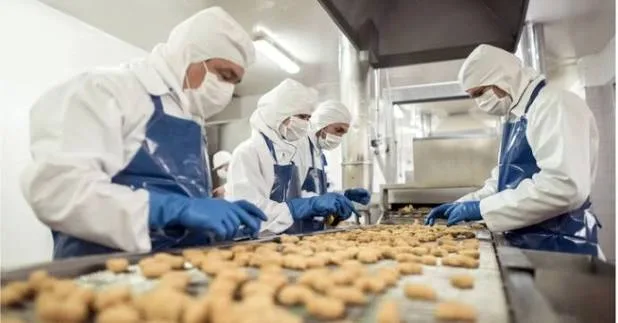
Food preparation involves more than choosing fresh ingredients and following recipes. Maintaining a clean, controlled working environment is equally important, especially in commercial kitchens, catering operations, bakeries, cafés, and food processing areas. Disposable aprons provide a simple layer of protection between clothing and food-related spills, splashes, grease, and other contaminants. They can also make cleaning routines more efficient by reducing the amount of residue transferred onto uniforms and clothing. For businesses focused on hygiene and practical workflow management, disposable aprons are a convenient addition to everyday protective equipment. This guide explains their key benefits and how to choose the right option for different food preparation environments.
1. Disposable Aprons Help Support Food Preparation Hygiene
During food preparation, workers may come into contact with sauces, oils, raw ingredients, liquids, and cleaning products. Without suitable protective clothing, these substances can easily reach uniforms or personal clothing.
A disposable apron creates a practical barrier, helping keep clothing cleaner throughout a shift. This is particularly useful in busy environments where employees move between different preparation tasks.
Disposable aprons can also support consistent hygiene procedures. Instead of repeatedly washing heavily soiled reusable aprons, businesses can use a fresh apron when required and dispose of it according to their workplace waste procedures.
For example, a catering team preparing different dishes throughout the day can use disposable aprons to help maintain a cleaner working routine between food preparation tasks.
2. They Offer Practical Protection Against Spills and Mess
Food preparation can be messy, even when employees follow good hygiene practices. Ingredients can splash while mixing, sauces can spill, and liquids can be transferred onto clothing during cleaning or preparation.
Disposable aprons are useful because they provide an additional protective layer without adding significant complexity to a worker's uniform. Many lightweight apron designs are easy to put on, remove, and replace when necessary.
They can be particularly helpful for businesses such as restaurants, cafés, bakeries, butcher shops, catering companies, and food manufacturing facilities.
When selecting disposable aprons, businesses should consider the tasks involved. A lightweight apron may be suitable for general food preparation, while a more durable or liquid-resistant option may be preferable where workers regularly handle wet ingredients or experience frequent splashes.
The right choice should balance protection, comfort, fit, and the requirements of the workplace.
3. Choosing Disposable Aprons for Different Food Businesses
Not every food preparation environment has the same requirements. Before purchasing protective aprons, businesses should consider how the product will actually be used.
Key factors include material, thickness, size, coverage, durability, and resistance to liquids. Employees also need enough freedom of movement to work comfortably during long shifts.
For high-volume kitchens, convenience is another important consideration. Aprons that are easy to distribute and replace can help simplify daily operations. Businesses should also establish clear procedures for when aprons need to be changed and how used protective items should be discarded.
Where sustainability is an important consideration, businesses can also explore packaging and protective-product options that better align with their waste-management objectives.
For food businesses looking for practical food preparation supplies, choosing protective equipment based on actual working conditions can help avoid unnecessary costs while supporting consistent workplace hygiene.
Conclusion
Disposable aprons are a practical solution for food businesses that need convenient protection during everyday preparation tasks. They can help keep clothing cleaner, reduce exposure to spills, and support consistent hygiene routines across different food environments. However, businesses should choose aprons according to their specific tasks rather than simply selecting the cheapest option.
Actionable takeaways:
- Choose apron materials based on the type of food preparation involved.
- Consider liquid resistance when handling wet ingredients or frequent spills.
- Select comfortable sizes that allow employees to move freely.
- Establish clear procedures for replacing and disposing of used aprons.
- Source protective supplies from a reliable packaging supplier that understands business requirements.
At Eco Packaging Experts, businesses can explore practical packaging and workplace supply solutions designed for everyday commercial needs. As food preparation continues to place greater emphasis on hygiene and efficiency, selecting the right protective supplies can remain a simple but valuable part of a well-managed operation.