
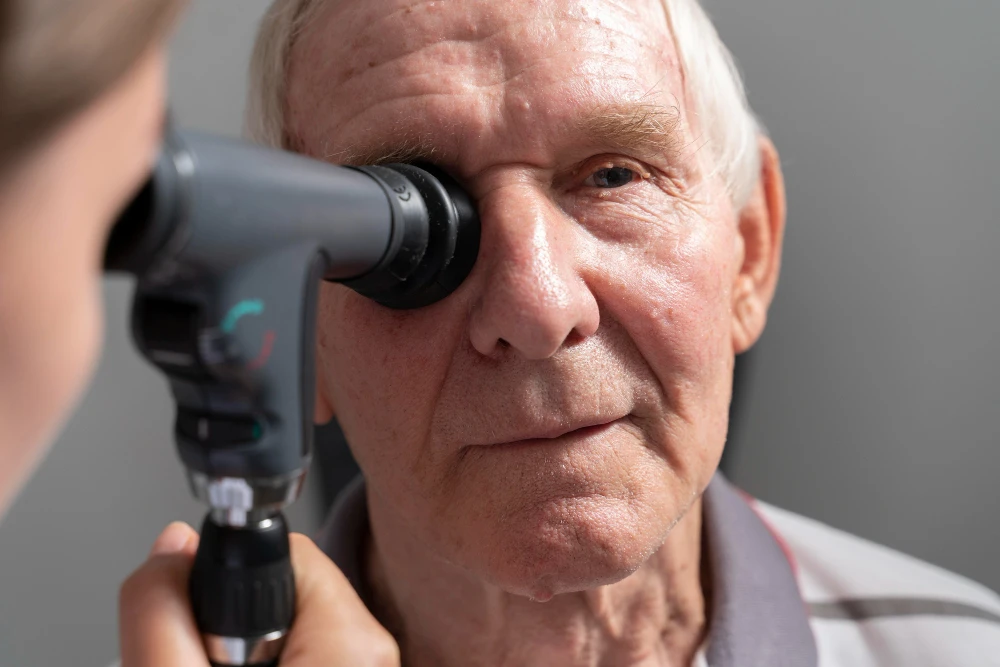
Diabetes affects millions of people worldwide and can lead to several serious health complications if not managed properly. One of the most concerning complications is diabetic eye disease, which can silently damage vision over time. Many patients are unaware that diabetes can affect the delicate blood vessels in the retina until noticeable vision problems occur.
For this reason, visiting a diabetic retinopathy specialist in Palm Harbor is an essential step for protecting long-term eye health. Specialists are trained to detect early retinal changes caused by diabetes and can provide targeted treatment before vision loss becomes permanent.
Regular eye care from a qualified retinal expert can significantly reduce the risk of blindness and help diabetic patients maintain clear, healthy vision for years.
Understanding Diabetic Retinopathy
Diabetic retinopathy is a diabetes-related eye condition that damages the tiny blood vessels in the retina, the light-sensitive tissue at the back of the eye. When blood sugar levels remain high for extended periods, these vessels may leak, swell, or close off completely.
Over time, abnormal new blood vessels may grow in the retina, which can lead to severe vision complications.
Common symptoms include:
- Blurred or fluctuating vision
- Dark spots or floaters
- Difficulty seeing at night
- Colors appearing faded or washed out
- Sudden vision loss in advanced cases
In many patients, early stages have no noticeable symptoms, which is why routine examinations by a retinal specialist are critical.
Why Regular Visits to a Retinopathy Specialist Matter?
Seeing a retinal specialist regularly is one of the most effective ways to prevent diabetes-related vision loss. These specialists have advanced training in diagnosing and treating complex retinal diseases.
Key benefits of regular specialist visits include:
- Early detection of retinal damage before symptoms appear
- Accurate monitoring of disease progression
- Personalized treatment plans based on the patient’s condition
- Access to advanced imaging and diagnostic technology
- Preventive care that reduces the risk of severe vision loss
Early diagnosis allows doctors to intervene before the condition progresses to more dangerous stages such as proliferative diabetic retinopathy or diabetic macular edema.
Advanced Treatments Offered by Retinal Specialists
Modern retinal care has significantly improved outcomes for diabetic patients. A specialist can recommend several treatment options depending on the severity of the condition.
Some common treatments include:
- Anti-VEGF injections to reduce abnormal blood vessel growth
- Laser therapy to seal leaking blood vessels
- Vitrectomy surgery for advanced retinal damage
- Ongoing retinal monitoring using optical imaging technology
These treatments can slow disease progression and often preserve vision when detected early.
Risk Factors That Increase the Need for Regular Eye Exams
Some diabetic patients face a higher risk of developing retinal complications. Understanding these risk factors can help individuals prioritize routine specialist care.
High-risk factors include:
- Long-term diabetes (10+ years)
- Poor blood sugar control
- High blood pressure
- High cholesterol levels
- Pregnancy in diabetic patients
- Smoking
Patients with these risk factors should schedule more frequent eye examinations to prevent complications.
How Often Should Diabetic Patients See an Eye Specialist?
Healthcare experts generally recommend that people with diabetes receive a comprehensive dilated eye exam at least once a year. However, patients with existing retinal damage may need more frequent visits.
A retinal specialist may recommend checkups every:
- 6 months for moderate diabetic retinopathy
- 3–4 months for advanced stages
- Immediately if sudden vision changes occur
Regular monitoring allows doctors to detect even subtle retinal changes and adjust treatment quickly.
Tips to Protect Your Vision if You Have Diabetes
While specialist care is essential, lifestyle habits also play a major role in eye health.
Helpful prevention strategies include:
- Maintain healthy blood sugar levels
- Monitor blood pressure regularly
- Follow a diabetes-friendly diet
- Exercise consistently
- Take medications as prescribed
- Schedule routine eye exams
Combining proper diabetes management with expert retinal care significantly reduces the risk of vision complications.
Wrapping Up
Vision loss from diabetes is often preventable with early detection and proper treatment. Because diabetic retinopathy can progress silently, routine eye examinations are crucial for protecting long-term vision.
Consulting a qualified diabetic retinopathy specialist ensures that any retinal changes are identified and treated before permanent damage occurs. Regular visits, combined with good diabetes management, give patients the best chance of maintaining healthy eyesight.
If you live with diabetes, prioritizing regular eye checkups with a retinal specialist could make the difference between lifelong vision and preventable vision loss.