
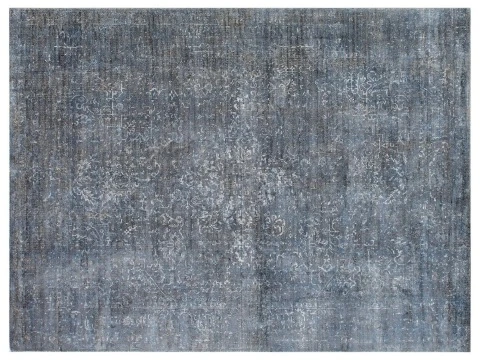
When interior designers need to create spaces that stand out, they reach for handmade carpets. These pieces offer something machine-made alternatives simply can't match—authenticity, character, and uncompromising quality.
The growing demand for unique interiors has pushed designers to seek materials that tell a story. Handmade carpets, particularly Indian carpets with their rich heritage and skilled craftsmanship, have become the go-to choice for projects where ordinary won't suffice.
What makes these carpets so appealing to design professionals? The answer lies in their superior construction, unlimited customization options, and the unmistakable human touch that machines cannot replicate.
Superior Quality and Craftsmanship
Handmade carpets deliver quality that machine production cannot achieve. Each knot gets tied by hand, creating a density and precision that automated looms struggle to match. This meticulous process results in carpets that feel substantial underfoot and maintain their appearance for decades.
The materials used in handmade production set these pieces apart. Artisans select premium wool, silk, and natural fibers that respond beautifully to dyes and maintain their color intensity over time. Machine-made carpets often use synthetic materials that fade quickly and lack the natural luster that designers seek.
Indian carpet makers bring centuries of knowledge to their craft. They understand how different fibers behave, which dye combinations create lasting colors, and how varying knot densities affect both appearance and durability. This expertise shows in every finished piece.
Quality control in handmade production happens continuously. Artisans inspect their work as they create it, catching and correcting imperfections immediately. This ongoing attention to detail ensures that each carpet meets the high standards designers expect from their materials.
Customization and Design Flexibility
Designers love handmade carpets because they can create exactly what their vision requires. Custom sizes, colors, and patterns become reality when working with skilled artisans. This flexibility proves invaluable when standard sizes won't work or when a specific color palette is essential to the overall design concept.
Pattern modification happens easily with handmade production. Designers can adjust motifs, change color combinations, or even create entirely new designs based on their client's preferences. This level of customization transforms a simple floor covering into a central design element that ties the entire space together.
Color matching presents no challenge for experienced carpet makers. They can dye fibers to match paint samples, fabric swatches, or existing furnishings with remarkable accuracy. This precision ensures that the handmade carpet integrates seamlessly into the overall color scheme.
Size flexibility removes the constraints that off-the-shelf carpets impose. Whether a space requires an unusually long runner, a perfectly square area rug, or an irregular shape to fit around architectural features, handmade production adapts to meet these needs.
Indian carpet artisans excel at working with designers throughout the creative process. They understand design language, can interpret sketches and mood boards, and offer suggestions based on their technical expertise. This collaboration often leads to results that exceed the original vision.
The Human Touch and Artistry
Each handmade carpet carries the personality of its maker. Small variations in tension, subtle color shifts, and the natural rhythm of hand-knotting create character that machines cannot produce. These imperfections, far from being flaws, give each piece its unique identity.
The artistic heritage embedded in handmade carpets adds depth to any interior. Indian carpet traditions span generations, with techniques and patterns passed down through families. This cultural richness brings authenticity to spaces that clients and their guests can sense and appreciate.
Artisans invest emotional energy in their work. They take pride in their craft and strive to create pieces that will be treasured for years. This personal investment shows in the finished product through attention to detail and quality that purely commercial production lacks.
The time required to create a handmade carpet—often several months for complex pieces—allows for careful consideration of every element. Artisans can adjust their approach as the work progresses, refining details and ensuring the final result meets their exacting standards.
Surface texture in handmade carpets offers tactile richness that appeals to multiple senses. The slight irregularities created by hand-knotting produce a surface that catches light differently across its expanse, creating visual interest that flat, machine-made surfaces cannot provide.
Durability and Longevity
Handmade carpets represent a long-term investment that machine-made alternatives cannot match. The superior materials and construction methods result in pieces that actually improve with age, developing a patina and character that adds to their appeal.
The knot density achieved in quality handmade carpets creates a foundation that withstands heavy foot traffic without showing wear. Each individual knot acts as a tiny anchor, distributing weight and stress across the entire surface. This construction method explains why many handmade carpets remain beautiful and functional for decades.
Natural fibers used in handmade production age gracefully. Wool develops a subtle sheen with use, silk maintains its luster, and natural dyes often become richer over time. These materials respond positively to proper care, unlike synthetic alternatives that tend to look worn and dingy as they age.
The repair possibilities with handmade carpets extend their useful life significantly. Skilled artisans can restore damaged areas by re-knotting individual sections, matching colors precisely, and blending repairs seamlessly into the existing pattern. Machine-made carpets typically require complete replacement when significantly damaged.
Investment value adds another dimension to the durability equation. Quality handmade carpets often appreciate in value, particularly pieces from renowned weaving regions. Designers can confidently specify these carpets knowing they represent sound financial decisions for their clients.
Making the Smart Choice for Your Next Project
Designers choose handmade carpets because they understand the difference between merely covering a floor and creating a foundation for exceptional design. These pieces offer quality, customization, and character that machine production cannot replicate.
The partnership between designer and artisan creates possibilities that extend far beyond selecting from existing inventory. Custom handmade carpets become integral parts of the design concept, supporting and enhancing the overall vision.
For your next project requiring a carpet that performs as beautifully as it looks, consider the advantages that only handmade production can provide. The investment in quality, customization, and craftsmanship will reward both you and your clients for years to come.