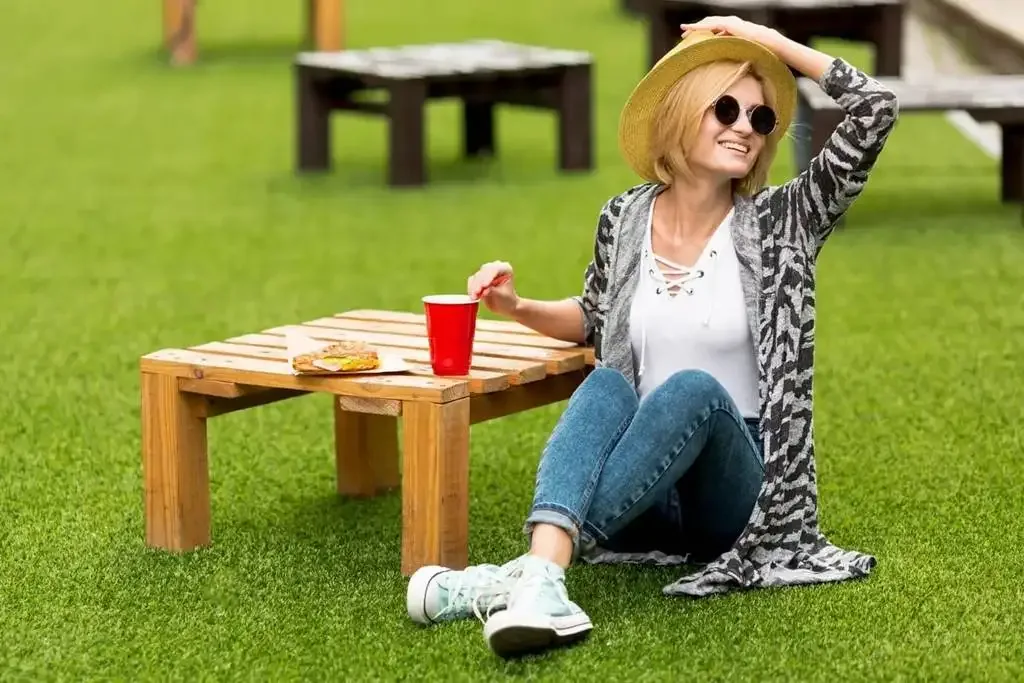
If you have ever stood in your backyard on a sweltering July afternoon in Dallas, staring at a patchy, yellowing lawn that refuses to cooperate no matter how much water or fertilizer you throw at it, you already understand the frustration. Natural grass and the Texas climate have a complicated relationship, and honestly, the grass usually loses.
That is exactly why so many homeowners across Dallas, Frisco, Plano, McKinney, and the rest of the DFW metroplex are making a permanent change. Artificial turf installation in Dallas has exploded in popularity over the past several years, and it is not hard to understand why once you start looking at the numbers, the lifestyle benefits, and the long-term value.
This is not about settling for something fake. It is about making a smarter decision for your home, your family, your wallet, and honestly, your sanity.
The Texas Lawn Struggle Is Real
Let us be honest about what maintaining a natural lawn in North Texas actually requires. You are fighting soil that fluctuates between clay-heavy and rock-hard depending on the season. You are battling scorching summer temperatures that regularly exceed 100 degrees. You are dealing with drought restrictions that limit how often you can water, followed by heavy spring rains that create drainage nightmares. And through all of it, you are spending every weekend mowing, edging, fertilizing, aerating, and overseeding just to keep things looking halfway decent.
According to the Environmental Protection Agency, the average American household uses about 30 percent of its water for outdoor irrigation, and in hotter, drier climates like Texas, that number climbs significantly higher. That is a lot of water, a lot of money, and a lot of effort for a lawn that still turns brown every August.
Artificial turf eliminates all of that. No watering. No mowing. No fertilizing. No re-seeding after a dry spell. Just a consistently green, lush-looking yard that handles the Texas sun without complaint.
What Modern Artificial Grass Actually Looks Like
One of the biggest misconceptions people have about synthetic turf is that it looks fake or feels like a carpet. That might have been true fifteen or twenty years ago, but today's artificial grass products are genuinely impressive. The best products on the market use multi-color blade designs, natural-looking thatch layers, and varying pile heights to replicate the look and texture of real grass so closely that visitors often cannot tell the difference.
Texas Tuff's Rio Grande Deluxe, for example, uses three different blade colors and a unique S-pattern design that creates depth and dimension in a way that looks completely natural. The Palo Duro Deluxe features a 3-dimensional blade that actually deflects sunlight, meaning it does not get as hot underfoot as older synthetic products. These are not your grandfather's artificial turf options.
If you want to explore the full range of products available, Texas Tuff's product lineup covers everything from affordable high-traffic options to ultra-premium residential selections.
The Financial Case for Making the Switch
People often hesitate when they see the upfront cost of artificial turf installation. It is a real investment, no question. But when you start adding up what you currently spend on your lawn every year, the math shifts quickly.
Consider the annual cost of water bills, lawn care services or equipment, fertilizer, weed killer, pest control, irrigation repairs, and your own time. For most DFW homeowners, that adds up to several thousand dollars every year. Artificial turf, backed by a 15-year product warranty like the one Texas Tuff provides, means you are spreading that installation cost over a decade and a half of zero lawn maintenance expenses. Most homeowners see a full return on their investment within five to seven years, and then continue saving for years beyond that.
The water savings alone are substantial. Eliminating lawn irrigation in a Texas climate can reduce your monthly water bill noticeably, and those savings compound over time.
Installation: What the Process Actually Looks Like
A lot of homeowners worry that installation is going to be a major disruption. In reality, a professional artificial turf installation from a company with real experience is a clean, efficient, and relatively quick process.
The Texas Tuff team, which carries 50 years of combined installation experience across the company, starts by removing the existing grass and preparing the base properly. Proper base preparation is actually one of the most critical steps in ensuring your turf drains correctly, stays level, and looks flawless for years. This is where cutting corners leads to problems, and it is exactly why choosing an experienced installer matters so much.
After the base is compacted and graded, the turf is laid precisely, seams are carefully positioned to be invisible, and infill is applied to give the blades the right upright position and weight. The result is a surface that looks professionally finished because it is.
You can learn more about the full installation process on Texas Tuff's installation page to get a clear picture of what to expect from start to finish.
Safety for Kids and Pets
For families with young children or pets, safety is always the first question. Modern artificial turf products from reputable manufacturers are non-toxic, free from harmful chemicals, and designed specifically with families in mind. Texas Tuff uses turf that is safe for children and animals, with antimicrobial options available for households where hygiene is a particular concern.
The surface is also much more forgiving than bare dirt or concrete when kids take a tumble, especially with playground-grade options that include shock-absorbing padding underneath. No mud being tracked into the house after rain. No ticks or fleas hiding in the grass. No pesticides or herbicides applied to a surface where your kids and dogs are rolling around.
Year-Round Curb Appeal Without the Effort
There is something genuinely satisfying about having the nicest lawn on the street without doing anything to maintain it. Artificial turf stays green through summer heat waves, through winter freezes, through drought and downpour alike. It does not go dormant. It does not develop bare patches. It does not turn yellow when the sprinkler system has an issue.
For homeowners who take pride in their property's appearance, that consistency is worth a great deal. For those who are just exhausted by the constant upkeep demands of a natural lawn, it is a genuine quality-of-life improvement.
Is Artificial Turf Right for Your Property?
Artificial turf works beautifully in most residential applications, from front lawns and backyards to side yards, rooftop decks, and pool surrounds. It is particularly well-suited to properties with poor soil drainage, heavy shade where grass refuses to grow, or high foot traffic areas that tend to develop worn patches.
The best way to know for sure is to get a professional assessment of your specific yard. Texas Tuff offers free estimates for homeowners across the entire DFW area, including Dallas, Frisco, Allen, Garland, Irving, Lewisville, Mansfield, Southlake, and dozens of other communities throughout the metroplex.
The Bottom Line
Switching to artificial turf is not about giving up on your lawn. It is about making a smarter choice for the climate you actually live in, the budget you actually have, and the lifestyle you actually want. Dallas homeowners who make the switch consistently report that they wish they had done it sooner.
If you are ready to stop fighting your lawn and start enjoying your outdoor space, reach out to the team at Texas Tuff today. With over 500 successful installations, a 5.0 client rating, and a 15-year warranty backing every project, Texas Tuff is the DFW artificial turf company that consistently delivers.
Call (214) 945-9388 or visit texas-tuff.com to schedule your free consultation and estimate. Your lawn — and your weekends — will thank you.
Google Map:
https://maps.app.goo.gl/GnQuQrBVeVGoaJnH9