
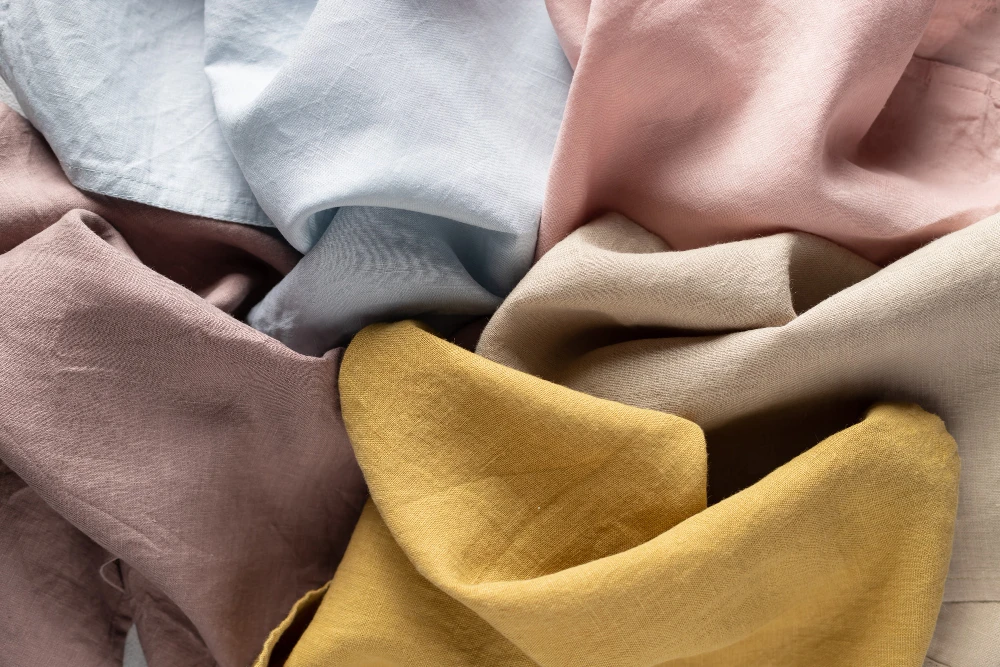
Cotton threads weave through Chicago's fashion identity like the Chicago River winds through the city. From the bustling garment districts to independent design studios, cotton fabric remains the backbone of the Windy City's style landscape. This versatile material has shaped local fashion for decades, offering both established brands and emerging designers a reliable foundation for their creative visions.
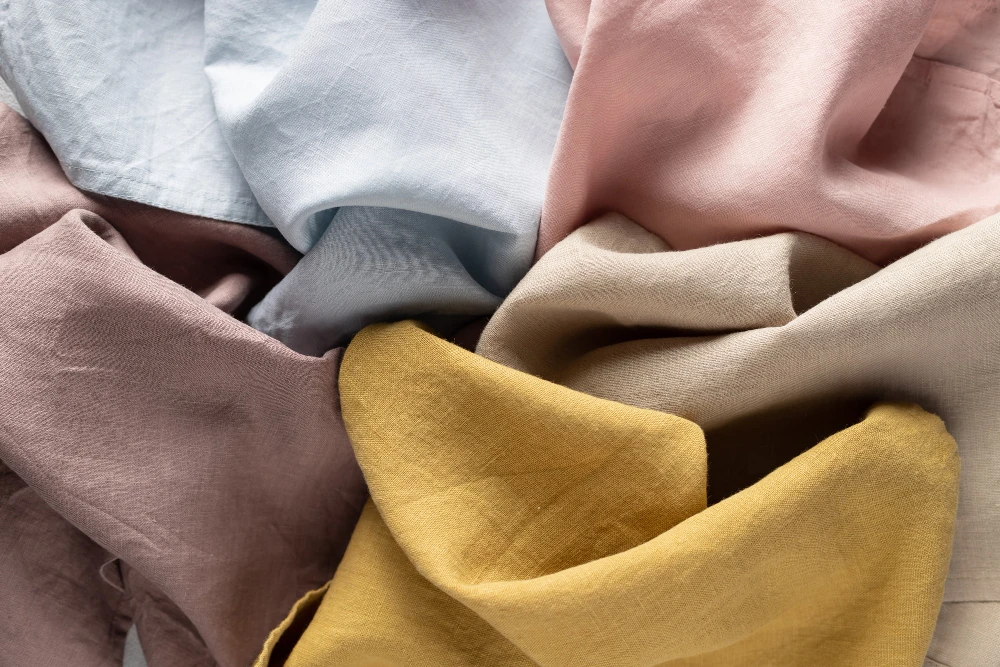
Chicago's fashion industry thrives on cotton's unique ability to adapt to the city's demanding climate and diverse style preferences. Whether you're sourcing cotton fabric by the yard for a custom project or looking to buy fabric online for your next collection, understanding cotton's role in Chicago fashion provides valuable insight into this thriving creative community.
The city's designers consistently choose cotton for its practicality and endless possibilities. From streetwear brands in Wicker Park to high-end boutiques on the Magnificent Mile, cotton serves as the common thread that connects Chicago's varied fashion expressions.
Cotton's Deep Roots in Chicago Fashion History
Chicago's relationship with cotton stretches back to the late 1800s when the city became a major textile hub. The Great Chicago Fire of 1871, while devastating, created opportunities for textile merchants and garment manufacturers to rebuild with cotton as their primary material.
The city's location made it a natural distribution center for cotton goods moving between the South and northern markets. This positioning allowed Chicago fashion houses to access high-quality cotton supplies consistently, establishing patterns that continue today.
Local tailors and dressmakers built their reputations on cotton garments that could withstand Chicago's harsh winters and humid summers. The material's breathability helped residents stay comfortable during sweltering July days, while its layering capabilities provided warmth during brutal February winds.
By the mid-20th century, Chicago had developed a distinct cotton-centric fashion identity. Local manufacturers specialized in cotton workwear, casual clothing, and dress shirts that reflected the city's practical yet stylish approach to fashion.
Cotton's Versatility Matches Chicago's Style Diversity
Chicago fashion embraces variety, and cotton delivers the flexibility needed to serve different neighborhoods and occasions. The material works equally well for Lincoln Park professionals heading to the Loop and artists creating statement pieces in Pilsen.
Cotton adapts to seasonal demands better than most fabrics. Spring brings lightweight cotton blouses and dresses perfect for Michigan Avenue strolls. Summer calls for breathable cotton tees and shorts that handle the lakefront humidity. Fall welcomes heavier cotton sweaters and jackets, while winter sees cotton layered beneath wool coats and scarves.
The fabric's ability to take dye well allows Chicago designers to create pieces that reflect the city's architectural colors—from deep blues mimicking Lake Michigan to warm grays matching the skyline. Local brands often choose cotton when they need reliable color retention for their signature pieces.
Cotton also bridges the gap between casual and formal wear in Chicago's fashion scene. A well-cut cotton dress works for brunch in River North and evening events in the Theater District. Cotton blazers transition seamlessly from day meetings to night outings in Wicker Park.
Comfort and Sustainability Drive Cotton Choices
Chicago's fashion-conscious consumers increasingly prioritize comfort and environmental responsibility in their clothing choices. Cotton meets both criteria effectively, making it a smart choice for designers targeting today's mindful shoppers.
The material's natural breathability keeps wearers comfortable during Chicago's temperature swings. Unlike synthetic alternatives, cotton allows air circulation, reducing the discomfort that comes with rapid weather changes common to the region.
Cotton's biodegradable nature appeals to environmentally conscious Chicago residents. Local designers often highlight cotton's sustainability when marketing to customers who care about their environmental impact. Organic cotton options provide even stronger eco-credentials for brands building green reputations.
The durability of quality cotton also supports sustainable fashion practices. Well-made cotton garments last for years with proper care, reducing the need for frequent replacements. This longevity aligns with Chicago's practical approach to fashion investments.
Cotton's easy care requirements make it practical for busy Chicago lifestyles. Most cotton items can handle machine washing and drying, saving time and money on dry cleaning bills.
Chicago Designers Champion Cotton Creativity
Local designers consistently showcase cotton's potential in their collections. Many Chicago fashion houses built their reputations on innovative cotton applications that challenge assumptions about the material's limitations.
Streetwear brands in neighborhoods like Logan Square use cotton canvas and denim to create durable pieces that reflect urban aesthetics. These designers often source cotton fabric by the yard to maintain control over quality and color consistency in their limited-run collections.
Independent designers operating from studios in Bucktown and Wicker Park frequently buy fabric online to access specialized cotton varieties not available locally. This approach allows them to experiment with unique textures and weaves that set their pieces apart from mass-produced alternatives.
Established Chicago fashion houses continue using cotton for their core collections while exploring new cotton blends and treatments. These brands understand that cotton provides a reliable base for innovation without sacrificing wearability or customer satisfaction.
Many local designers appreciate cotton's forgiving nature during the design and construction process. The material handles alterations well, making it ideal for custom work and made-to-measure services popular in Chicago's fashion market.
Maintaining Cotton Garments in Chicago's Climate
Chicago's weather extremes require specific care strategies for cotton clothing. Proper maintenance ensures cotton pieces remain attractive and durable despite the city's challenging environmental conditions.
Winter heating systems can dry out cotton fibers, making garments prone to static and shrinkage. Using humidifiers helps maintain cotton's natural moisture content during cold months. Storing cotton pieces with cedar blocks protects against moth damage while maintaining proper humidity levels.
Summer humidity presents different challenges for cotton care. Quick laundering after wear prevents moisture from setting into fibers and causing odors. Air drying when possible helps maintain cotton's shape and prevents heat damage from dryers.
Spring and fall temperature fluctuations require flexible storage solutions. Cotton pieces should be stored clean and completely dry to prevent mildew during humid periods. Breathable garment bags protect against dust while allowing air circulation.
Professional cleaning works well for structured cotton pieces like blazers and dresses that need to maintain their shape. However, most cotton items benefit from gentle home care that preserves their natural properties.
Cotton's Future in Chicago Fashion
Chicago's fashion scene continues evolving, and cotton remains central to new developments. Local designers experiment with cotton blends that enhance performance while maintaining the material's natural benefits.
Technology improvements in cotton processing create new possibilities for Chicago fashion brands. Enhanced cotton fabrics offer improved wrinkle resistance, moisture-wicking properties, and color retention that appeal to modern consumers.
Sustainable cotton farming practices align with Chicago's growing focus on environmental responsibility. Local designers increasingly seek suppliers who use organic growing methods and fair trade practices, creating market demand for ethically produced cotton fabric by the yard.
Online shopping growth makes it easier for Chicago designers to buy fabric online from specialty suppliers worldwide. This access expands creative possibilities while maintaining the cost advantages that help local brands compete with larger manufacturers.
The rise of direct-to-consumer fashion brands in Chicago creates new opportunities for cotton-focused collections. These companies can highlight cotton's benefits directly to customers without competing for shelf space in traditional retail environments.
Cotton Continues Weaving Chicago's Fashion Future
Cotton's position in Chicago fashion reflects the city's practical yet creative approach to style. The material's versatility, comfort, and sustainability make it a natural choice for designers serving diverse customer needs in a challenging climate.
Local fashion brands benefit from cotton's proven track record and ongoing innovations. Whether sourcing materials locally or choosing to buy fabric online, Chicago designers can rely on cotton to deliver the performance and aesthetics their customers expect.
The future looks bright for cotton in Chicago fashion. As consumers become more conscious about sustainability and comfort, cotton's natural advantages become even more valuable. Chicago's fashion community is well-positioned to lead in creating cotton-based designs that meet tomorrow's needs while honoring the material's rich history in the city.