
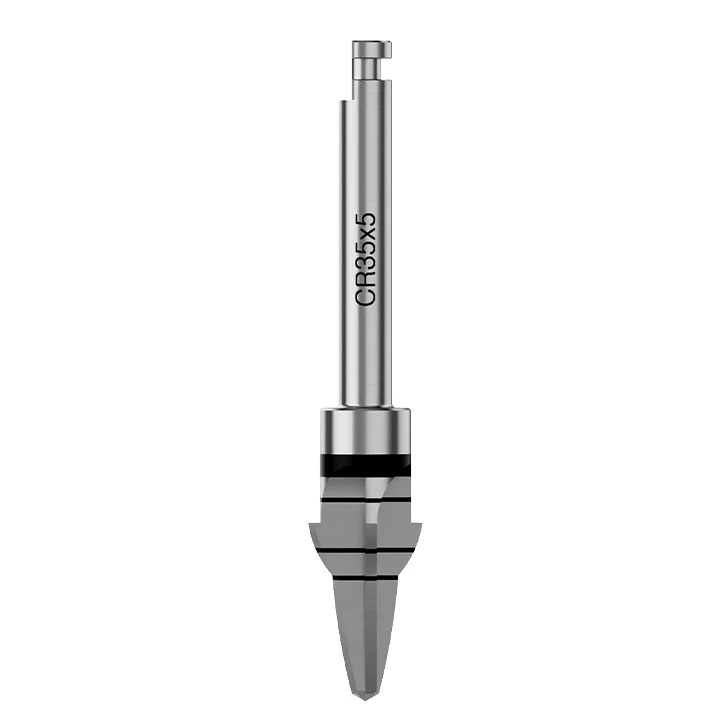
Dental implant success depends on many factors, including proper planning, bone quality, and the tools used during surgery. One important but often overlooked tool is the cortical release drill. These drills play a vital role in reducing bone stress and improving implant stability, especially in dense cortical bone. Understanding why cortical release drills are essential can help dentists achieve safer procedures and better long-term implant outcomes.
What Are Cortical Release Drills?
Cortical release drills are specially designed dental implant drills used to relieve pressure in the dense outer layer of bone, known as cortical bone. This bone layer is strong but less flexible, which can create resistance during implant placement. Cortical release drills gently create micro-relief in the cortical bone, allowing the implant to be placed more smoothly.
Unlike standard drills that focus mainly on shaping the implant site, cortical release drills are used to reduce compression and stress around the implant.
Importance of Cortical Bone Management
Cortical bone provides strength and initial implant stability, but excessive compression can be harmful. Too much pressure during implant insertion may lead to bone necrosis, micro-fractures, or poor healing. Managing cortical bone properly is crucial for successful osseointegration.
Cortical release drills help balance strength and flexibility by allowing the bone to adapt to the implant without excessive force.
How Cortical Release Drills Reduce Bone Stress
One of the main advantages of cortical release drills is their ability to reduce stress during implant placement. By slightly releasing the cortical bone, these drills lower insertion torque and prevent over-compression.
Reduced stress helps maintain healthy blood flow in the bone, which is essential for healing and bone regeneration. This creates a more favorable environment for the implant to integrate successfully.
Improved Implant Stability and Placement
Proper use of cortical release drills supports better implant placement by allowing the implant to seat fully and correctly. When bone resistance is controlled, the implant can be positioned at the planned depth and angle.
This improved accuracy helps prevent issues such as implant tilt, incomplete seating, or excessive force during insertion, all of which can affect long-term success.
Lower Risk of Implant Failure
High insertion torque and bone stress are known risk factors for early implant failure. Cortical release drills help lower these risks by creating controlled relief in dense bone areas.
By minimizing trauma to the bone, these drills reduce the chances of inflammation, bone loss, or delayed healing, leading to a higher success rate for dental implants.
Ideal for Dense and Hard Bone Types
Cortical release drills are especially useful in patients with dense bone, such as those in the posterior mandible. In such cases, standard drilling alone may not be sufficient to manage bone resistance.
Using cortical release drills allows dentists to adapt their technique based on bone density, making the procedure safer and more predictable across different clinical situations.
Enhanced Patient Comfort and Healing
Reducing bone trauma directly benefits patients. Less stress on the bone means reduced post-operative pain, swelling, and discomfort. Patients often experience faster healing and fewer complications when cortical release drills are used correctly.
This leads to a better overall treatment experience and increased patient satisfaction.
Support for Long-Term Implant Success
Successful dental implants depend on strong and healthy bone integration over time. Cortical release drills help create optimal conditions for osseointegration by preserving bone vitality and reducing damage during surgery.
A well-integrated implant is more stable, durable, and capable of supporting normal chewing forces for many years.
Suitable for Different Implant Systems
Cortical release drills are compatible with various implant systems and surgical protocols. Dentists can incorporate them into their existing workflows without major changes.
Their versatility makes them a valuable addition to modern implant dentistry, especially in challenging cases.
Conclusion
Cortical release drills are essential tools for achieving successful dental implants, particularly in dense cortical bone. By reducing bone stress, improving implant placement, and supporting healthy healing, these drills play a key role in improving surgical outcomes.
Their ability to lower risks, enhance stability, and increase patient comfort makes cortical release drills an important part of modern dental implant procedures. When used correctly, they help ensure predictable, long-lasting, and successful implant results.