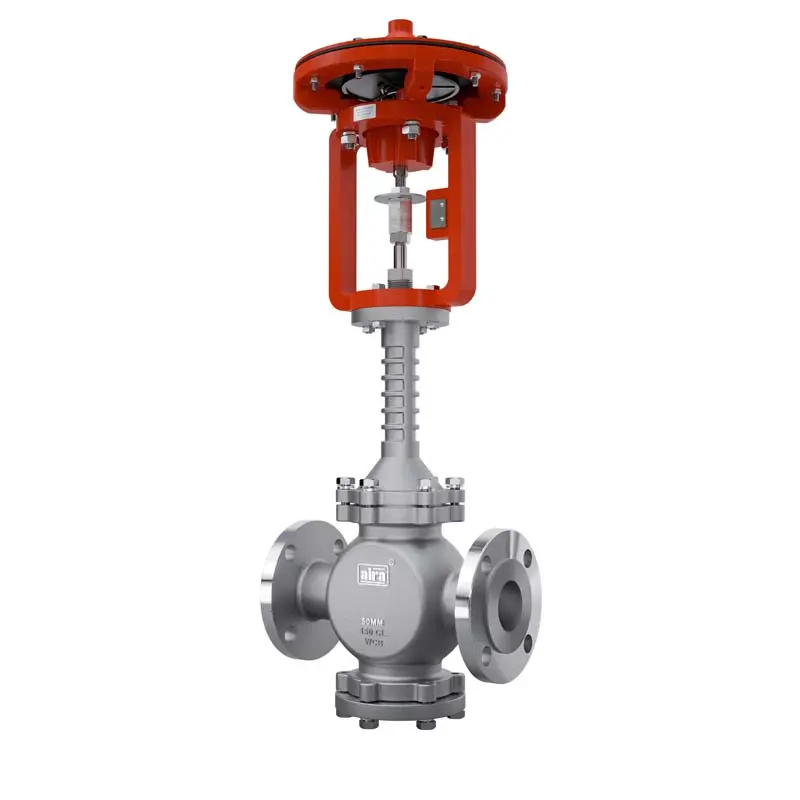
Automation has become the backbone of modern industrial operations. From chemical plants and refineries to power stations and water treatment facilities, automated process control systems ensure consistency, safety, and efficiency. At the center of these systems lies a crucial component—the control valve. Without precise flow regulation, even the most advanced automation systems cannot perform effectively.
This is why industries increasingly rely on experienced control valve manufacturers in India to deliver reliable, high-performance solutions that meet complex automation demands.
Understanding the Role of Control Valves in Automation
A control valve is a mechanical device that regulates the flow of fluids—liquids, gases, or steam—by adjusting the size of the flow passage in response to control signals. These signals usually come from automated controllers that monitor variables such as pressure, temperature, flow rate, and liquid level.
In an automated process, control valves act as the final control element. They translate digital or pneumatic signals into precise physical movement, allowing the system to maintain stable operating conditions.
Why Control Valves Are Essential for Automated Systems
Precise Process Regulation
Automation demands accuracy. Control valves ensure exact regulation of:
- flow rate
- pressure levels
- temperature control
- fluid direction
Without precise valve positioning, process variables would fluctuate, leading to product inconsistency, equipment stress, and safety risks. High-quality valves supplied by trusted control valve manufacturers in India offer consistent and repeatable performance.
Improved Process Safety
Industrial processes often handle hazardous fluids, high pressure, and extreme temperatures. Control valves help maintain safe operating limits by responding instantly to changes in system conditions.
If pressure rises beyond safe levels, control valves adjust flow automatically to prevent accidents. This rapid response capability significantly reduces the risk of system failure, leaks, and operational hazards.
Enhanced Operational Efficiency
Efficient control of flow directly impacts energy consumption and system performance. Control valves optimize the use of:
- pumps
- compressors
- heat exchangers
- boilers
By maintaining stable conditions, automated systems operate closer to their optimal efficiency point. This reduces energy waste, lowers operating costs, and improves overall productivity.
Integration with Modern Automation Technologies
Compatibility with Control Systems
Modern control valves integrate seamlessly with:
- PLC systems
- DCS platforms
- SCADA systems
They accept electronic, pneumatic, or digital signals, making them suitable for advanced industrial automation setups.
Support for Smart Automation
Advanced control valves now include positioners, sensors, and diagnostic tools. These features provide:
- real-time feedback
- predictive maintenance data
- early fault detection
Such capabilities help industries prevent unexpected downtime and improve maintenance planning.
Reliability and Long-Term Performance
Continuous Operation in Demanding Conditions
Automated processes often run 24/7. Control valves must perform reliably under constant operation. Valves designed and manufactured by experienced control valve manufacturers in India are built to withstand:
- continuous cycling
- corrosive environments
- high temperatures
- pressure variations
This ensures long service life with minimal performance degradation.
Reduced Maintenance and Downtime
High-quality control valves experience less wear and tear. With proper material selection and precision engineering, maintenance intervals increase, leading to:
- fewer shutdowns
- lower maintenance costs
- improved plant availability
Wide Range of Industrial Applications
Control valves are critical across multiple industries, including:
- oil and gas
- chemical processing
- pharmaceuticals
- power generation
- food and beverage
- water and wastewater treatment
Each industry requires specific valve designs, materials, and control characteristics. This is why selecting reliable control valve manufacturers in India is essential for tailored automation solutions.
Why Indian Manufacturers Play a Key Role
India has become a global hub for industrial valve manufacturing due to:
- strong engineering expertise
- cost-effective production
- compliance with international standards
- ability to offer customized solutions
Many industries worldwide depend on control valve manufacturers in India for high-quality valves that support automated process control reliably.
Conclusion
Control valves are the backbone of automated process control systems. They ensure precise regulation, improve safety, enhance efficiency, and support modern automation technologies. Without reliable control valves, automation systems cannot deliver consistent or safe performance.
By sourcing valves from experienced control valve manufacturers in India, industries gain access to robust, precision-engineered solutions that meet demanding operational requirements. Investing in the right control valve technology is essential for achieving reliable automation and long-term industrial success.