
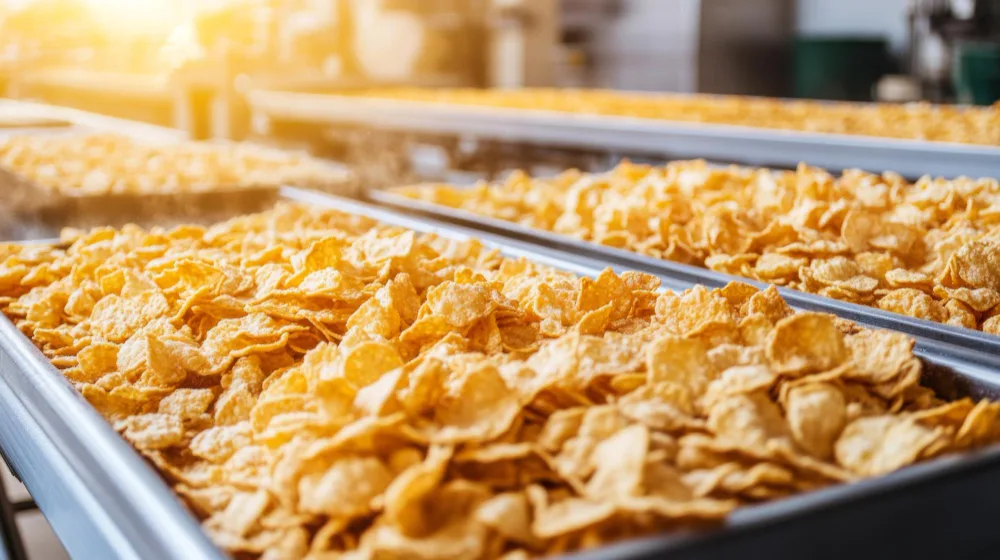
India’s snack industry is evolving rapidly as consumers demand more variety, convenience, and exciting flavors. From potato chips and namkeen to extruded snacks and regional specialties, brands are constantly introducing products to capture consumer attention. However, building and operating a dedicated manufacturing facility requires significant investment, skilled manpower, machinery, and operational expertise. This is one reason snack contract manufacturing in India is becoming an increasingly attractive business model.
Through contract manufacturing, snack brands can partner with experienced producers to manufacture products according to agreed specifications. This approach allows businesses to focus on branding, marketing, distribution, and customer acquisition while production is handled by specialists.
Lower Investment Makes Market Entry Easier
Setting up a snack manufacturing facility can involve considerable capital expenditure. Businesses may need processing equipment, frying systems, seasoning machines, packaging lines, storage facilities, utilities, and trained employees.
Contract manufacturing reduces the need to build this infrastructure from scratch. As a result, startups and growing brands can enter the market with a more asset-light approach and allocate resources toward areas such as product development, packaging, promotion, and distribution.
Faster Product Launches
Speed matters in the competitive FMCG sector. Consumer preferences can change quickly, making it important for brands to respond with new products and flavors.
Established manufacturers already have production infrastructure and experienced teams. Partnering with them can reduce the time required to move from product concept to commercial production.
For emerging businesses, snack contract manufacturing in India can therefore provide a practical way to test opportunities and bring products to market efficiently.
Access to Specialized Manufacturing Expertise
Commercial snack production requires knowledge of ingredients, processing temperatures, frying methods, seasoning application, moisture control, and packaging.
Experienced manufacturers understand these processes and can use standardized systems to maintain product specifications. Brands can benefit from this expertise without having to develop every technical capability internally.
This can be particularly useful for entrepreneurs entering the packaged-food industry for the first time.
Consistency Across Production Batches
A successful snack brand needs to provide a dependable consumer experience. Customers expect the same crunch, flavor, appearance, and freshness whenever they purchase a product.
Contract manufacturers can use controlled production processes and quality checks to maintain consistency across different batches. Standardized recipes and manufacturing parameters also make it easier to increase production while preserving the intended product characteristics.
More Opportunities for Product Innovation
India has highly diverse food preferences, creating enormous potential for innovative snack products. A flavor that performs well in one region may be different from what consumers prefer elsewhere.
Manufacturing partnerships can allow brands to explore different seasonings, shapes, textures, and product formats. Businesses can develop traditional flavors alongside contemporary or region-inspired options to create a more diverse portfolio.
Innovation also helps brands differentiate themselves in crowded retail categories.
Flexible Production and Scalability
Demand rarely remains constant. A new brand might initially require limited quantities but need much larger production volumes after expanding its distribution network.
Snack contract manufacturing in India gives businesses the opportunity to scale production according to demand without continuously investing in additional machinery or manufacturing space.
This flexibility can support expansion into supermarkets, local retail networks, e-commerce platforms, and new geographic markets.
Greater Focus on Brand Growth
Manufacturing involves several daily responsibilities, including procurement, workforce management, machinery maintenance, production planning, and inventory coordination.
Outsourcing production allows brand owners to concentrate more heavily on activities that directly influence market growth. These include building brand identity, creating marketing campaigns, developing retailer relationships, strengthening distribution, and understanding customer preferences.
Better Cost and Resource Management
Contract manufacturing can also help businesses manage resources more strategically. Instead of maintaining expensive manufacturing infrastructure regardless of production volume, brands can work with established production partners according to their requirements.
This can create greater operational flexibility while allowing businesses to direct capital toward expansion and market development.
Conclusion
The growth of snack contract manufacturing in India reflects the changing needs of modern food businesses. Lower infrastructure requirements, faster product launches, manufacturing expertise, scalability, and opportunities for innovation make the model attractive to both emerging and established brands.
At Anant Jeet, we understand that successful snack production requires the right combination of quality, consistency, efficiency, and market awareness. With a dependable contract manufacturing partnership, businesses can concentrate on building strong brands while efficiently responding to India’s growing appetite for diverse and convenient snack products.