There is a paradigm shift in how aviation experts view the passenger experience. In the future, instead of designing cabins purely to optimize for speed, the environment will prioritize the passenger’s state of health. No longer will there be "static" chairs; instead, we will see airplane interior seats that are active and ergonomically designed to measure and adapt to the traveler’s body tension, redistributing pressure to counter the physical toll of long-haul air travel. This shift will elevate flight to a level of luxury that allows the modern traveler to arrive at their destination ready to perform, both mentally and physically.
The Sensory Foundation of the Cabin
While seating offers the main interface for the body, the rest of the cabin impacts the passenger’s psychological well-being the most. The materials used in the construction of the cabin can significantly enhance or detract from the "acoustic and tactile" experience of the flight.
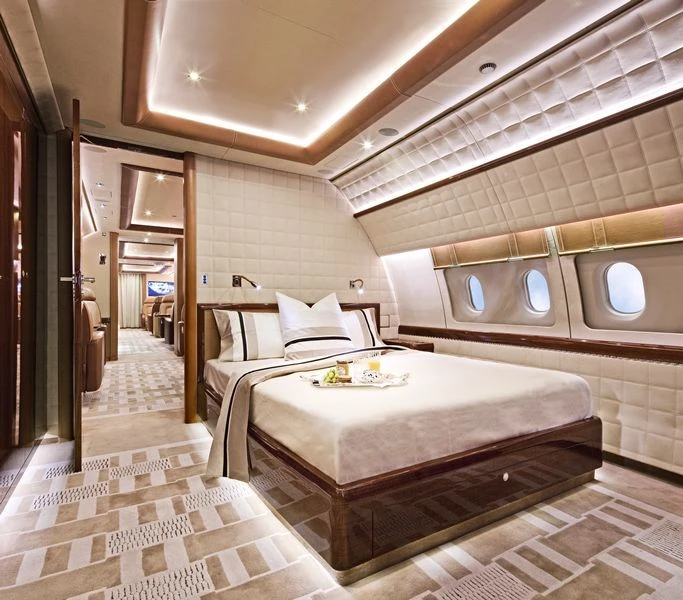
- Advanced Aviation Carpets: Modern flooring is about more than simple aesthetics. High-performance aviation carpets now incorporate multi-layer acoustic backing with high-twist wool fibers that act as large "sound sponges." These innovative materials capture high-frequency engine noise while providing a "residential" softness that encourages passengers to move about the cabin shoeless, further lessening the stress response of the body.
- Biophilic Design Elements: There is an increasing use of open-pore wood veneers and woven silk bulkheads. These natural, less metallic materials are meant to create a grounded feeling which is in contrast to a stark, industrial atmosphere of traditional modern aviation.
The Science of Restoration
The next era of flying is defined by "Restorative Travel." This means the cabin environment is no longer a passive container but an active wellness tool that works to counteract stress.
Humidity and Air Quality: Future systems are designed to maintain humidity levels at 20–25%, which is nearly double that of traditional aircraft. Combined with adjustable air vents and medical-grade HEPA filters, this ensures the respiratory system is properly hydrated and the "traveler’s cough" or fatigue is eliminated.
Circadian Lighting: Changes in lighting adjust to the flight destination, using a blue-to-amber spectrum shift to help control melatonin production mid-flight. This process is essential for assisting in the mitigation of jet lag before the aircraft even lands.
The Personal Sanctuary
Achieving a private plane interior that feels completely "un-plane-like" is a balancing act that requires the removal of visual and auditory clutter. The technology serves the customer’s comfort while demanding no attention; features like "invisible" headliner speakers and hidden wireless charging pods allow the cabin to remain a clean, serene sanctuary.
In this future of flying, comfort will be the paramount functional design. To a passenger, a cabin interior built with clean air, quiet floors, and smart seats will be a completely transformative element, enhancing its purpose beyond mere transportation. The idea is to create a high-performance environment that protects and revitalizes the passengers.