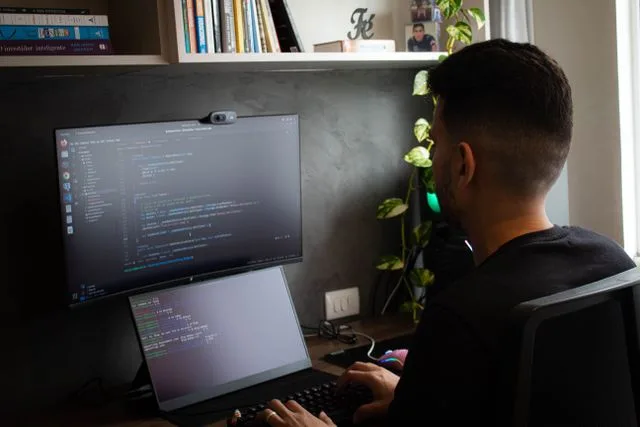
Not long ago, learning to code was often viewed as a highly specialized skill reserved for computer scientists, software engineers, and technology professionals. Educational resources were more limited, programming environments could be complex to set up, and many aspiring learners faced significant barriers before writing their first line of code. Today, the situation is remarkably different. Coding has become more accessible, approachable, and flexible than ever before.
People from a wide range of backgrounds are now discovering programming as a valuable skill for personal growth, career development, problem-solving, and digital literacy. Students, business professionals, entrepreneurs, and hobbyists can all find opportunities to learn coding through methods that fit their schedules and learning preferences. Advances in educational technology, online learning, simplified programming languages, and collaborative communities have helped transform coding from a niche discipline into a skill that is available to virtually anyone with an interest in learning.
Learning Resources Are Available Everywhere
One of the biggest reasons coding is easier to learn today is the abundance of educational resources available online. In previous decades, learning often required enrolling in formal classes, purchasing expensive textbooks, or gaining access to specialized institutions. Modern learners can choose from thousands of tutorials, video courses, interactive lessons, articles, and practice exercises.
This variety allows people to learn in a way that suits their individual needs. Some individuals absorb information best through reading, while others prefer visual demonstrations or hands-on practice. Because resources exist in multiple formats, learners can select materials that align with their preferred learning style.
Another advantage is the ability to learn at a self-directed pace. Beginners can spend additional time reviewing challenging concepts without feeling pressured to keep up with a classroom schedule. At the same time, motivated learners can move quickly through familiar topics and focus on advanced areas that match their interests.
The availability of free and affordable learning materials has significantly lowered the barriers to entry. Individuals no longer need substantial financial investments to explore programming and determine whether it is a skill they would like to pursue further.
Modern Programming Languages Are More Beginner-Friendly
Programming languages have also evolved in ways that make learning easier for newcomers. While earlier programming environments sometimes required extensive technical knowledge, many modern languages emphasize readability and simplicity.
Languages such as Python are frequently recommended for beginners because their syntax is relatively straightforward and easy to understand. New learners can focus on developing problem-solving skills and understanding programming concepts rather than struggling with overly complicated rules and structures.
These beginner-friendly languages allow students to see meaningful results quickly. Simple projects such as calculators, data organizers, basic games, and automation scripts can often be created after learning only a few core concepts. This early sense of accomplishment helps maintain motivation and encourages continued learning.
Modern development tools also provide helpful feedback that can guide users when mistakes occur. Error messages, code suggestions, and debugging features simplify the learning process and reduce frustration. As a result, beginners can spend more time understanding concepts and less time trying to decipher obscure technical issues.
The combination of accessible languages and supportive tools has made programming far less intimidating than it once was.
Technology Has Simplified the Learning Process
Another major factor contributing to coding accessibility is the improvement of development environments and learning platforms. In the past, setting up a programming workspace could involve installing multiple software packages, configuring settings, and troubleshooting compatibility issues.
Today, many learners begin practicing in a helpful online IDE, which allows them to write, run, and test code directly from a web browser. This approach eliminates many of the technical obstacles that previously discouraged beginners. Instead of focusing on installation challenges, learners can start exploring programming concepts almost immediately.
Interactive coding platforms further simplify the experience by providing guided exercises, instant feedback, and structured learning paths. These systems often break complex subjects into smaller, manageable lessons that allow beginners to build confidence gradually.
Cloud-based tools have also enhanced accessibility. Learners can switch between devices, continue lessons from different locations, and collaborate with others without needing advanced technical setups. This flexibility makes coding education more convenient than ever before.
As technology continues to improve, the gap between curiosity and participation continues to shrink, making it easier for newcomers to take their first steps into programming.
Online Communities Provide Support and Collaboration
Learning a new skill can be challenging, but modern coding communities help reduce feelings of isolation. In the past, aspiring programmers often had to rely on local resources or personal contacts for guidance. Today, online forums, discussion groups, coding communities, and social learning platforms provide opportunities for collaboration and support.
These communities allow learners to ask questions, share projects, and receive constructive feedback from people with varying levels of experience. Beginners can often find answers to common challenges within minutes, helping them overcome obstacles that might otherwise slow their progress.
Collaboration also exposes learners to different approaches for solving problems. Seeing how others organize code, troubleshoot issues, and develop projects can deepen understanding and expand technical knowledge.
Community participation often encourages accountability and motivation as well. Joining study groups, coding challenges, or collaborative projects can help learners remain engaged and committed to their goals.
The availability of supportive communities means that programming education is no longer a solitary activity. Learners can benefit from a global network of individuals who share similar interests and experiences.
Coding Skills Connect Directly to Everyday Applications
A final reason coding is easier to learn today is that learners can quickly see how programming applies to real-world situations. Modern educational resources frequently emphasize practical applications rather than abstract theory alone.
Beginner programmers can create projects that align with their personal or professional interests. Some may automate repetitive office tasks, while others build simple websites, analyze data, organize personal finances, or develop small mobile applications. These tangible outcomes provide immediate value and reinforce learning.
Because technology is integrated into so many aspects of modern life, opportunities to apply coding skills are easier to identify. Even individuals who do not plan to become software developers can benefit from understanding how code works and how it can improve productivity.
This connection between learning and practical results helps maintain enthusiasm throughout the educational process. When learners see direct benefits from their efforts, they are often more motivated to continue expanding their skills.
The ability to apply knowledge immediately makes programming more engaging, relevant, and accessible to a wide audience.
Conclusion
Coding has become significantly easier to learn thanks to widespread educational resources, beginner-friendly programming languages, improved development tools, supportive online communities, and stronger connections to practical applications. These advancements have transformed programming from a specialized discipline into a skill that people from many different backgrounds can successfully explore.
While learning to code still requires patience, practice, and persistence, the resources available today make the journey far more approachable than in previous generations. For anyone interested in developing technical skills, improving digital literacy, or expanding problem-solving abilities, there has never been a more accessible time to begin learning how to code.