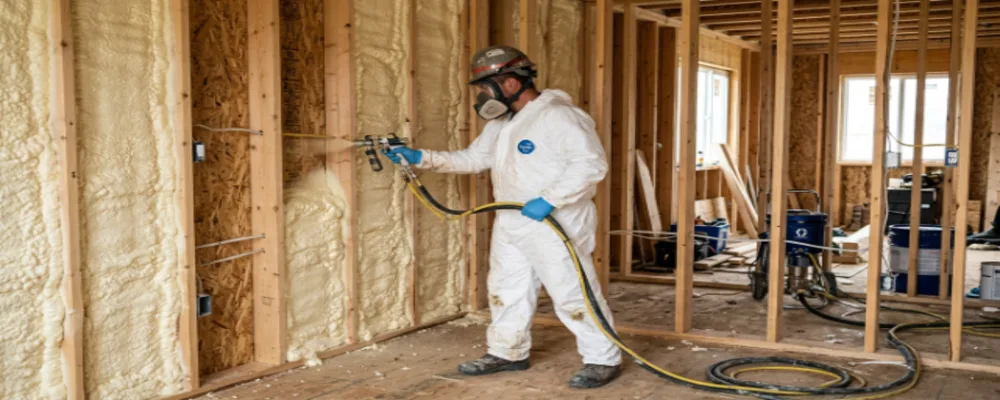
Closed-cell foam serves as a powerful barrier against water and air infiltration in environments prone to dampness. In regions like Kalispell, builders use it because it does not absorb water and retains its shape even in high humidity. This material provides an airtight seal that prevents vapor from moving through walls, which is essential for protecting a building's structural integrity.
This guide explains the technical reasons why Closed-cell spary foam insulation is the standard for wet environments. It covers the performance characteristics, regional challenges, and long-term benefits you should expect. Industry professionals rely on these facts to ensure buildings stay dry and energy-efficient throughout the changing seasons. Closed-cell foam's moisture resistance is the primary reason this technology is preferred for local foundations and crawl spaces.

Understanding the Power of Closed-Cell Foam Moisture Resistance
When you deal with high-moisture zones, the primary goal is to keep water from soaking into your insulation. Traditional materials often act like sponges, trapping dampness and leading to structural issues. Closed-cell foam's moisture resistance works differently because the individual cells are packed tightly and filled with gas, making them nearly impermeable.
In Northwest Montana, the weather swings from heavy snow to humid spring rains. This insulation choice ensures that even if a leak occurs or humidity spikes, the material stays effective. It effectively blocks liquid water while also serving as a Class II vapor retarder, preventing internal condensation in your walls.
1. Preventing Mold Growth in Damp Areas
Moisture is the primary ingredient for mold and mildew. By using a high-density spray foam barrier, you eliminate the air pockets where spores often settle. Because the foam expands to fill every crack, there is no space for humid air to linger against cold surfaces.
- It creates a surface that does not support fungal growth.
- The material seals gaps around pipes and wires where moisture often enters.
- It keeps the interior wall temperature more consistent, reducing the dew point.
Bonus Tip: If you are insulating a basement or crawl space, ensure the surface is clean and dry before applying the foam to maximize the bond strength of the foam.
2. Strengthening the Building Structure
Closed-cell foam is incredibly dense and rigid once it cures. In high-moisture areas, wood can sometimes soften or shift over time. This foam adds significant racking strength to the walls, helping the entire structure resist wind loads and snow weight.

3. Managing the Kalispell Climate
The local climate in Kalispell requires insulation that handles vapor drive. This happens when warm, moist air tries to move toward cooler, drier areas. A water-resistant insulation solution in Kalispell, MT is necessary to prevent this movement, especially in winter, when indoor heat pushes against the cold exterior.
- Winter temperatures often drop well below freezing, increasing the risk of interior condensation.
- Spring runoff increases ground moisture, which can affect foundations.
- Summer humidity can penetrate poorly sealed crawl spaces.
Bonus Tip: Always check local building codes in Flathead County, as they may have specific requirements for vapor barriers based on the thickness of the applied foam.

How Does Closed Cell Foam Compare to Other Materials?
You might wonder if cheaper options can do the same job. While fiberglass or cellulose is fine for dry attics, they fail in wet zones. If fiberglass gets wet, it loses its R-value and sags, leaving large gaps. Closed-cell foam maintains its R-value even when submerged in water during a flood or heavy leak.
Using a durable foam sealant also saves money on utility bills. Since it acts as an air barrier, your HVAC system does not have to work as hard to fight the drafts that often accompany high-moisture environments. This leads to a more comfortable indoor environment year-round.
4. Protecting Crawl Spaces and Basements
Crawl spaces are notorious for being the dampest part of a home. In Kalispell, many older homes struggle with musty odors rising through the floors. Applying this foam to the rim joists and foundation walls stops the stack effect, which pulls cold, damp air from the ground up into your living space.
- It prevents wood rot in the floor joists.
- The foam provides a seamless layer that bugs and rodents find difficult to penetrate.
- It works perfectly in tandem with crawl space encapsulation systems.
Things to Evaluate Before Choosing Your Insulation
Before you commit to an insulation project, you need to look at several factors beyond just the price. High-moisture zones require a specific approach to ensure the product lasts for the life of the building.
- Substrate Condition: Ensure the wood or concrete is structurally sound and free of existing rot.
- Ventilation Needs: Once you seal a building with foam, you may need to adjust your mechanical ventilation to maintain air quality.
- Access Areas: Determine if there is enough room for professional equipment to reach the high-moisture zones.
- Long-Term Goals: Consider how much you want to save on energy bills over the next ten years compared to the initial cost.
Request a Free Quote and Protect Your Property Today
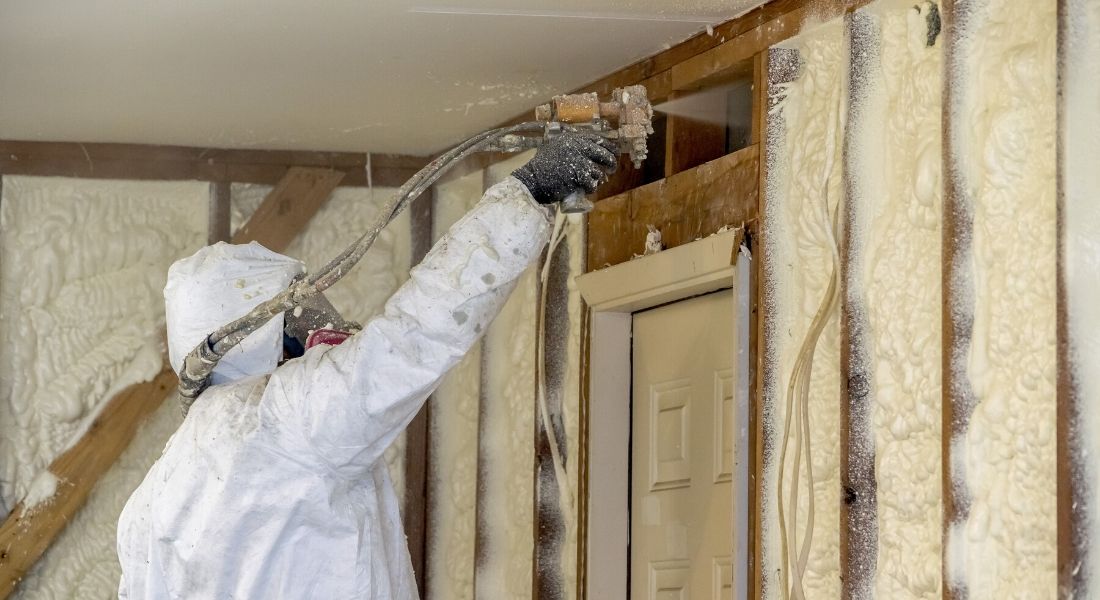
When you are ready to protect your property from the elements, reaching out to a professional is the best course of action. They can assess your specific site conditions in Kalispell and recommend the right thickness for your needs. Selkirk Energy Solutions offers a wide range of services, from crawl space encapsulation to high-performance spray foam applications.
They provide expertise in air sealing and residential insulation to ensure your home remains dry and efficient. You can contact them at (208) 295-9780 or via email at [email protected] to discuss your project. If you are looking for a reliable team to handle complex moisture issues, they are a great resource for a free quote on your next construction or renovation project.
Ensuring Long-Term Success for Your Building
Choosing the right material for high-moisture zones is a decision that affects your building's health for decades. By focusing on closed-cell foam moisture resistance, you address the three biggest threats to a structure: water, air leaks, and heat loss. This approach provides a reliable solution that withstands the unique weather patterns found in Northwest Montana. You should carefully weigh the benefits of structural strength and vapor control when planning your next project. Taking the time to consult with a specialist will ensure that your insulation serves as a permanent defense against the damp.
Common Questions Regarding Moisture and Insulation
Can closed-cell foam be used on damp wood?
No, the wood must be dry, typically with a moisture content below 19%. If the wood is too wet, the foam will not bond correctly, which could lead to gaps and future peeling.
Does this foam trap moisture inside the walls?
If installed correctly at the proper thickness, it prevents moisture from entering the wall cavity in the first place. It acts as a shield rather than a trap, provided there are no existing leaks from the outside.
Is it worth the extra cost compared to open-cell foam?
In high-moisture areas, yes. Open-cell foam can absorb water and does not provide the same vapor barrier or structural strength, making it less suitable for basements or exterior walls in wet climates.
How long does the moisture resistance last?
The material is designed to last for the lifetime of the building. It does not degrade, sag, or lose its water-resistant properties over time, even in challenging environments.
Does it emit odors after installation?
After the initial curing period, which usually takes about 24 hours with proper ventilation, the foam is inert and does not off-gas or produce smells.