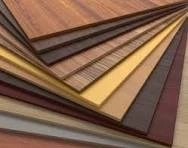
When it comes to building strong and long-lasting furniture, most people focus on the type or grade of plywood. However, one equally important factor that often gets overlooked is plywood thickness. Selecting the right thickness plays a crucial role in ensuring durability, load-bearing strength, and overall structural stability. Whether you are designing kitchen cabinets, wardrobes, or office furniture, understanding plywood thickness can help you avoid costly mistakes. Consulting a reliable Plywood supplier in kochi can make this decision easier and more accurate for your specific needs.
Understanding Plywood Thickness Options
Plywood is available in various thicknesses, typically ranging from 4mm to 25mm. The most commonly used thicknesses for furniture include:
- 6mm
- 9mm
- 12mm
- 16mm
- 19mm
Each thickness serves a specific purpose. Using plywood that is too thin can result in bending and sagging, while unnecessarily thick plywood can increase costs without adding practical benefits.
Why Thickness Matters in Furniture
The thickness of plywood directly affects its strength and stability. Thicker plywood has better load-bearing capacity, which makes it ideal for heavy furniture pieces like wardrobes and beds. Thin plywood, on the other hand, is more flexible and suitable for lightweight applications such as paneling and drawer bottoms.
If you choose the wrong thickness, you may experience structural issues over time. For example, a thin plywood shelf may sag under the weight of books or kitchen appliances. A trusted Plywood supplier in kochi can recommend the correct thickness based on your furniture design and usage.
Ideal Thickness for Different Furniture Types
Choosing the right thickness depends on the specific furniture application. Here’s a simple guide:
1. Wardrobes and Cabinets
For wardrobes and main cabinet structures, 16mm to 19mm plywood is generally recommended. This thickness ensures stability and can support heavy loads like clothes and accessories.
2. Kitchen Cabinets
Kitchens are exposed to moisture and heavy usage. Using 16mm or 19mm BWR or BWP grade plywood provides both strength and water resistance.
3. Drawer Bottoms and Back Panels
For lighter sections such as drawer bottoms or cabinet backs, 6mm or 9mm plywood is sufficient. These areas do not bear heavy loads, so thinner plywood works effectively.
4. Beds and Study Tables
For bed frames and tabletops, thicker plywood (16mm to 19mm) ensures better durability and prevents bending.
By selecting the appropriate thickness, you can balance strength, performance, and cost.
Climate Considerations in Kochi
In humid regions like Kochi, plywood not only needs proper thickness but also moisture resistance. Even thick plywood can fail if it absorbs moisture and starts swelling. Therefore, combining the right thickness with the correct grade (such as BWR or marine plywood) is essential.
A knowledgeable Plywood supplier in kochi understands local climate conditions and can suggest the best combination of thickness and grade for long-lasting furniture.
Avoiding Common Thickness Mistakes
One common mistake is choosing thinner plywood to save money. While it may reduce initial costs, it often leads to sagging shelves, weak joints, and shorter furniture lifespan.
Another mistake is using the same thickness for all parts of furniture. Different sections serve different structural purposes. For example, cabinet doors do not require the same thickness as the main frame.
Proper planning and consultation with professionals can prevent these issues.
Impact on Furniture Stability
Thicker plywood enhances screw-holding capacity. Furniture assembled with screws and fittings relies heavily on the plywood’s density and thickness. Thin boards may not hold screws firmly, leading to loose joints over time.
If you want sturdy modular furniture that withstands daily use, choosing adequate thickness is crucial. This is especially important for kitchen cabinets and wardrobes that experience frequent opening and closing.
Cost vs. Long-Term Value
Although thicker plywood costs more, it often delivers better long-term value. Investing in the right thickness reduces repair costs and increases furniture lifespan.
Instead of focusing solely on price, consider overall durability and performance. A trusted Plywood supplier in kochi can help you find options that balance affordability with quality.
Role of Professional Guidance
Carpenters and interior designers understand how plywood thickness affects structural integrity. Before making a purchase, discuss your project details with them. They can recommend suitable thicknesses for each component of your furniture.
Additionally, sourcing materials from a reputable Plywood supplier in kochi ensures you receive consistent thickness, certified quality, and expert advice tailored to your project.
Choosing the right plywood thickness is just as important as selecting the correct grade. The thickness determines load-bearing capacity, durability, screw-holding strength, and overall furniture stability. Using plywood that is too thin can lead to sagging and weak structures, while excessively thick plywood can unnecessarily increase costs.
In humid climates like Kochi, combining appropriate thickness with moisture-resistant grades ensures long-lasting performance. Partnering with a reliable Plywood supplier in kochi allows you to make informed decisions and select the best materials for your interior projects.
By understanding how thickness impacts furniture durability, you can create strong, stable, and attractive pieces that stand the test of time while delivering excellent value for your investment.