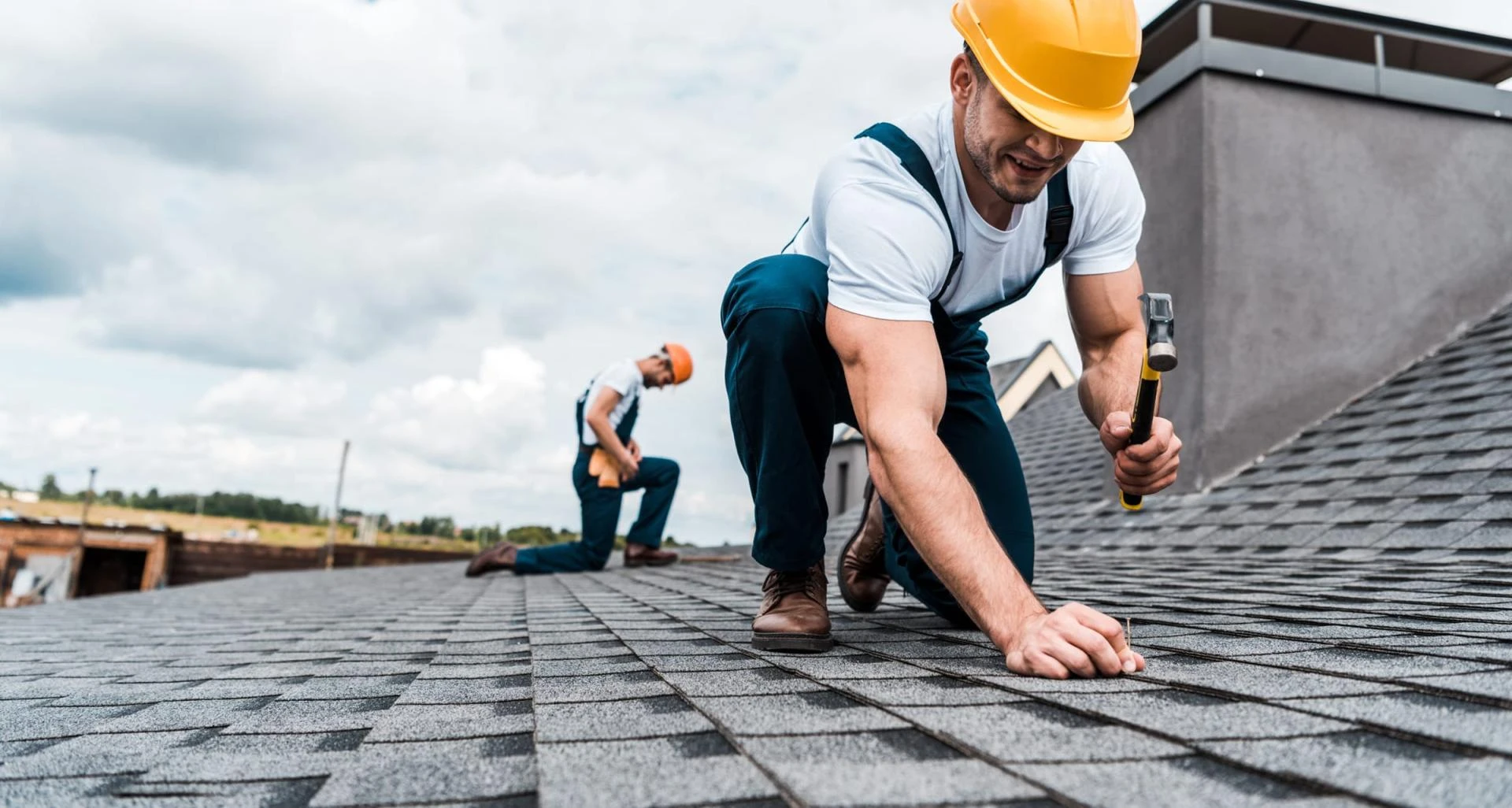
It is rare for a roof to ask for attention unless the issues become inescapable. By then, minor issues often turned into structural problems, energy loss, and escalating repair costs. This is when having certified expertise makes all the difference.
Pricing is frequently the first consideration for homeowners looking for reliable roof replacement services in Fairview. Cost is critical, but certification ought to be more important. Installing new shingles is not the only task performed by a professional roofing contractor. They use manufacturer-approved techniques that have a direct impact on durability and warranty protection, adhere to local building rules, and follow controlled installation standards.
Let's assess the true meaning of measurable difference.
Precision That Extends Roof Lifespan
Certification is a reflection of accountability, testing, and training. Technical standards are followed by certified contractors. This guarantees perfect flashing installation, accurate ventilation calculation, and appropriate underlayment placement.
A roof's lifespan might be reduced by years due to improper ventilation or flashing. Uneven shingle sealing, retained moisture, and early granule loss are all avoided with certified workmanship. As a result, the roof lasts as long as the material claims.
That is hardly an aesthetic enhancement. It is structural longevity.
Stronger Warranty Protection
Many roofing manufacturers require certified installation for full warranty validation. For example, brands such as GAF offer enhanced warranties only when their products are installed by approved professionals.
If a non-certified installer makes a technical error, you may lose extended coverage. Certified contractors protect both your investment and your legal warranty standing. That difference becomes measurable when unexpected material defects occur years later.
Code Compliance and Inspection Confidence
Building codes evolve frequently. A certified contractor remains updated on ventilation ratios, fastening requirements, and wind uplift standards specific to Fairview.
When you invest in professional roof replacement services in Fairview, code compliance ensures smoother inspections and fewer post installation corrections. It also protects resale value. Buyers and home inspectors increasingly verify documentation before closing transactions.
Certification provides documented proof of responsible installation.
Accurate Assessment Before Replacement
Complete replacement is not necessary for every roof. Certified contractors carry out systematic checks before suggesting a course of action. They assess drainage effectiveness, insulation performance, moisture content, and decking integrity.
This technique detects hidden structural issues that untrained eyes might miss and prevents needless replacements. Making educated financial choices is a direct result of accurate assessment.
Safety Standards That Protect Property
Replacing a roof carries a considerable risk. Certified teams adhere to established safety practices, such as material handling guidelines and harness systems. This reduces liability and protects against unintentional harm to your house while the project is underway.
Although safety may seem unimportant during installation, it becomes quantifiable when projects are completed without avoidable issues.
The Long-Term Value Perspective
Selecting licensed roofers is not a matter of status. It has to do with performance measurements. Measurable results are a result of longer lifespan, protected warranties, better ventilation efficiency, and recorded compliance.
Certification should not be an option while looking for roof replacement services in Fairview. It should be a deciding factor.
Final Takeaway
A roof serves as more than just a barrier. It is a systemic dedication to property value, efficiency, and safety. Accountability, technical precision, and long-term protection are all incorporated into that commitment through certified installation.
Expertise should never be a secondary consideration when it comes time to replace your roof. The quantifiable change is not just in the new materials but also in the positioning of those materials.
Frequently Asked Questions
1) What does a certified roofing contractor mean?
A certified contractor has completed manufacturer training programs, passed installation assessments, and follows regulated industry standards. Certification confirms technical competence and ensures warranty eligibility under specific roofing material guidelines.
2) Are certified roof replacement services more expensive?
Initial costs may be slightly higher, but certified installation reduces premature repairs, warranty disputes, and structural damage. Over time, the investment often proves more economical than repeated corrective work.
3) How do I verify a roofing contractor’s certification?
Ask for documentation and confirm directly through the manufacturer’s website. Most leading roofing brands provide searchable contractor directories listing approved and certified professionals in specific regions.
4) Does certification affect insurance claims?
Yes. Proper documentation and code-compliant installation can simplify insurance processes after storm damage. Insurers often review installation quality when evaluating claim validity and replacement approvals.
5) How long does a certified roof replacement typically last?
Lifespan depends on material choice and climate conditions. However, certified installation ensures the roof performs according to manufacturer's expectations, often extending durability compared to improperly installed systems.